
YONATAN HAMBOURGER/TZALI REICHER: Leaders make leaders
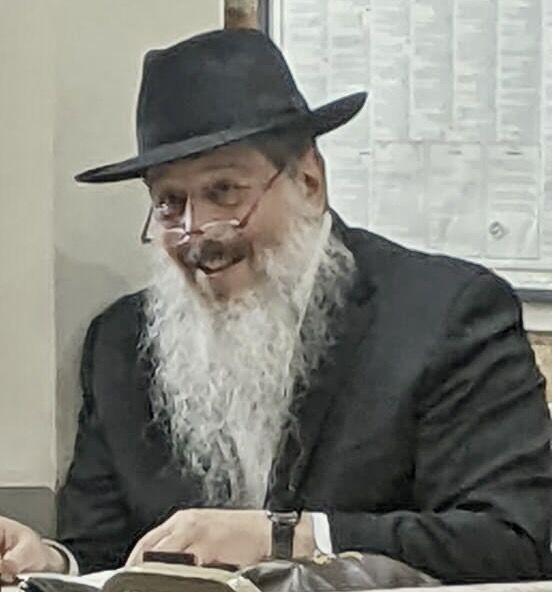
Rabbi Yonatan Hambourger
By Yonatan Hambourger & Tzali Reicher
[email protected]
In an era marked by soaring levels of anxiety and plummeting self-esteem, closely linked to the surge of social media and the voyeuristic observation of others’ performative lives aimed at garnering “likes,” many Americans find themselves disempowered, inferior and adrift.
This sentiment was entirely foreign to the Rebbe, Rabbi Menachem M. Schneerson, of righteous memory, the most influential leader in modern Jewish history.
This past weekend marked a special day for world Jewry. Communities around the world marked the anniversary of the day the Rebbe accepted the leadership of the Chabad-Lubavitch movement in 1951 and became the architect of the post-Holocaust Jewish renaissance.
His accomplishments endure as a testament to his legacy, even 29 years after his passing. He orchestrated the dispatch of more than 4,000 rabbinic couples to lead communities in 80 countries worldwide, a feat that remains unparalleled. Additionally, his influence extends to scholarship, with a prodigious library boasting hundreds of published books covering a wide array of topics — from Judaism to international affairs.
Throughout his lifetime, a diverse array of statesmen and artists, including Ronald Reagan, Robert F. Kennedy, Yitzchak Rabin, Menachem Begin, Elie Wiesel, and Bob Dylan, sought his counsel, underscoring the breadth of his impact. The reverberations of his achievements continue to be widely celebrated. Every year on the Rebbe’s birthday, every U.S. president, starting with President Jimmy Carter, has designated Education Day U.S.A. to honor his unwavering commitment to education, and in 1994, Congress bestowed upon the Rebbe the prestigious Congressional Gold Medal — the only rabbi to ever receive this honor.
As time progresses following the Rebbe’s passing, his significance and appreciation have grown. Each year witnesses the release of numerous books about him and his wisdom, and an increasing number of rabbis — many even born after his passing — operate in his name, venturing to remote areas to connect with Jewish individuals and communities wherever they may be. His resting place is revered as a site of profound spiritual sanctity.
The question is obvious. How did a Russian-born immigrant rabbi, who spent his last 40 years essentially in a three-block radius in Brooklyn, inspire such devotion and following that has only grown and spread around the world since he passed?
The answer might be found in this thought the late great Chief Rabbi Jonathan Sacks of the United King used to say: “I had been told that the Rebbe was a man with thousands of followers. After I met him, I understood that the opposite was the case. A good leader creates followers. A great leader creates leaders. More than the Rebbe was a leader, he created leadership in others.”
From the moment he accepted the leadership in the small Brooklyn synagogue from which he would go on to change the face of world Jewry over the next four decades, the Rebbe addressed his personal philosophy about the need for leaders to empower and lift up others in his opening address, which he labeled his mission statement.
The Rebbe challenged the common expectation that followers could passively delegate all responsibilities to their appointed leaders, emphasizing that nominal connections to individuals of higher status or spiritual standing didn’t exempt them from personal effort. The Rebbe’s leadership style involved guiding and assisting his followers, but he insisted they must invest their own effort to attain spiritual and material heights.
In numerous meetings and letters, the Rebbe uplifted and motivated those who believed they had reached their limits, whether proud achievers or those lost and despondent. His consistent message was clear: There is always more one can do, and no one has yet come close to tapping into their ultimate potential that God has blessed us with.
This message holds particular significance in our present age, dominated by our enslavement to devices that have eroded our God-given attention spans and work ethics. Whether feeling unaccomplished, lazy or overly content with past achievements, the Rebbe’s empowering message of continuous growth and possibilities resonates: We must be leaders who foster more leaders, thereby cultivating further success.
Author

Related Articles
My Grandpa Was Killed in World War II. I Met Him Through His Letters Home
Gina Wolf’s grandfather died before she was born. His letters sent to her grandmother from Europe during World War II made it possible to know what kind of man he was.

TARA FLETCHER: Women are often trapped by abusive partners
Today, and every day after, in the United States, three women will be murdered by their significant other.
CARLTON FLETCHER: Great — and maybe not so great — expectations
During his heyday, mostly in the ‘80s and ‘90s, Lewis Grizzard was one of, if not the, most celebrated columnists in America.
