
‘Succession planting’ has benefits for gardeners
Interval planting spices up the veggie growing, preserving seasons
By Alicia Holloway
University of Georgia, CAES
Green beans are, hands down, a favorite garden vegetable. Many could eat them every day of the week and never grow weary of them. Sautéed, boiled, roasted or pickled, green bean lovers are ready. Canning green beans, however, is not always a favorite task.
Every year, those who can and freeze produce have learned through experience that they typically just don’t enjoy canning green beans. Harvest time always seems to fall when it’s just not practical to spend hours in the kitchen preserving produce. So, instead of planting beds of green beans and having an unmanageable overabundance, many growers turn to succession plantings so that they have smaller harvests for a longer period of time.
“Succession planting” simply means planting vegetables continuously throughout the season. It can also refer to planting the same crop, such as green beans, at intervals throughout the planting season.
Planting this way ensures that, as older plants mature and end their production cycle, new ones start to produce. This practice extends the harvest window and ensures the availability of produce at the peak of production throughout the growing season.
Farmers regularly use this practice, but it can be a useful tool for home gardeners, too. It is especially useful for those who prioritize eating fresh vegetables rather than preserving them.
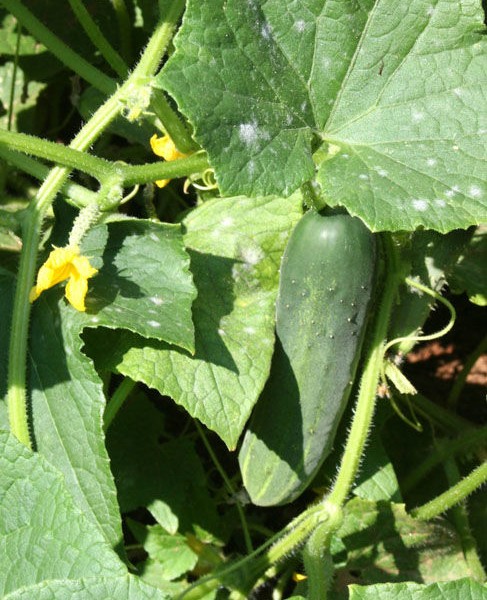
For spring and fall gardens, most greens and root vegetables are good candidates for succession planting. For summer gardens, green beans, squash, zucchini, cucumber and corn are appropriate.
Succession planting can also be used with annual flowers, such as sunflowers, to make beautiful blooms are present from spring to fall. Two weeks throughout the planting season makes for a good planting interval for most crops. For vegetables like green beans that can be planted in the spring and fall, this is a double win and can add weeks to production times.
Another way to achieve a staggered harvest is to plant varieties with different maturing times. There are numerous varieties available for each vegetable. Many vegetables have early-producing varieties in addition to the old standbys. By planting several varieties that mature over different time spans, growers can enjoy the subtle difference in flavor between varieties and have a longer season. Just check seed packets or seed catalogs for average days to maturity to select varieties that will work in a specific area.
Succession planting also refers to planting a sequence of different plants within the growing season. For example, those who plant lettuce for early spring, follow it with sweet potatoes in the same space after the lettuce is finished. Once the sweet potatoes are harvested, plant spinach. Those growers plant three crops where most gardeners plant one.
Wise use of available space is essential, especially in small gardens. Planning a garden helps growers take advantage of available space at planting and throughout the growing season and will ensure that gardens stay bountiful from spring to summer to fall. Who doesn’t get a thrill from making a color-coded vegetable planting chart and map for each season?
As we enter into the planting season, keep succession planting in mind as a technique to keep kitchens stocked with garden favorites.
For questions about succession planting or vegetable gardening, visit the University of Georgia Cooperative Extension publication website at www.extension.uga.edu/publications.
Alicia Holloway is the University of Georgia Cooperative Extension Agriculture and Natural Resources agent in Barrow County.
Related Articles

‘Sounds Like a Mutiny.’ Secret Recording Exposes Claims of Toxic Leadership After a Marine’s Suicide
This week’s War Horse story follows the systemic failures before and after the death of Cpl. Drew Mobley who was the third in two years at Marine Corps Base Quantico to die by suicide.

Southwest Georgia artists recognized at packed opening of exhibition
The annual juried exhibition, one of the region’s largest showcases of visual art, features approximately 46 artists and nearly 90 works spanning painting, sculpture, ceramics, photography and mixed media.
Powerful performances drive Theatre Albany’s ‘The Color Purple’
From the street, strands of purple ribbon wind around the white columns of the historic theater, hinting at the story waiting beyond its doors. Inside the foyer, a carefully curated slideshow flickers across a large screen, cycling through the faces of the cast. Some are seasoned performers. Others are stepping onto a stage for the very first time. Teachers stand alongside former students. Parents perform beside their children. People who worship in different churches, work different jobs and come from different corners of Southwest Georgia gather beneath the same lights to tell the same story.
