
FAST FACTS — HURRICANE SEASON
CNN
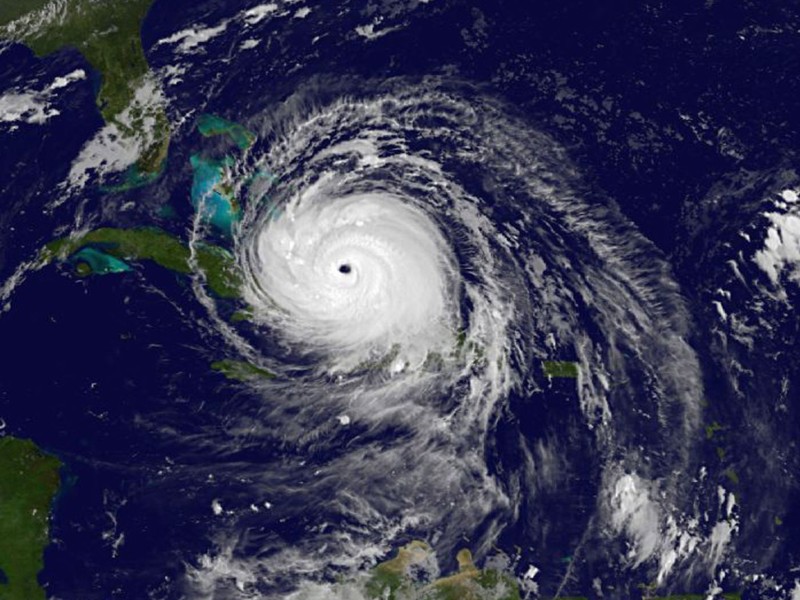
(CNN) — Here is a look at the 2018 Atlantic hurricane season:
Facts:
— The 2018 Atlantic hurricane season runs from June 1 to Nov. 30. The areas covered include the Atlantic Ocean, Gulf of Mexico and the Caribbean Sea.
— The National Weather Service defines a hurricane as a “tropical cyclone with maximum sustained winds of 74 mph (64 knots) or higher.”
— Hurricanes are rated according to intensity on the Saffir-Simpson Hurricane Wind Scale. The 1-5 scale estimates potential property damage.
— A Category 3 or higher is considered a major hurricane.
— The National Hurricane Center advises preparedness.
— A hurricane watch indicates the possibility that a region could experience hurricane conditions within 48 hours.
— A hurricane warning indicates that sustained winds of at least 74 mph are expected within 36 hours.
— Hurricane names are pulled from six rotating lists originated by the National Hurricane Center and maintained and updated by the World Meteorological Organization. Storm names are retired only when those storms are particularly deadly and costly.
Predictions:
— April 5, 2018: The Colorado State University Tropical Meteorology Project team predicts a slightly above average Atlantic hurricane season, saying they “do not anticipate a significant El Niño event this summer/fall.” The team forecasts seven Atlantic hurricanes and three major Atlantic hurricanes.
2018 Atlantic storm names:
Alberto, Beryl, Chris, Debby, Ernesto, Florence, Gordon, Helene, Isaac, Joyce, Kirk, Leslie, Michael, Nadine, Oscar, Patty, Rafael, Sara, Tony, Valerie, William.
Related Articles

TARA FLETCHER: Women are often trapped by abusive partners
Today, and every day after, in the United States, three women will be murdered by their significant other.
CARLTON FLETCHER: Great — and maybe not so great — expectations
During his heyday, mostly in the ‘80s and ‘90s, Lewis Grizzard was one of, if not the, most celebrated columnists in America.
MICHAEL FERGUSON II: A family reunion, an AR-15, and the truth America must face
A family reunion should never become a battlefield.
