
Study shows economic benefit of national parks
Andersonville, Jimmy Carter historic sites brought in more than $10 million to communities

From Staff Reports
AMERICUS — A new National Park Service report shows that 132,149 visitors to Andersonville National Historic Site and 60,736 visitors to Jimmy Carter National Historic Site in 2017 spent $7,555,400 and $3,472,500, respectively, in communities near the parks. That spending supported 123 and 57 jobs, respectively, in the local area and had a cumulative benefit to the local economy of $13,594,200.
“Andersonville National Historic Site and Jimmy Carter National Historic Site welcome visitors from all over Georgia, across the country, and around the world,” Charles Sellars, the superintendent of Andersonville National Historic Site and acting superintendent of Jimmy Carter National Historic Site, said. “We are committed to working with Plains, Andersonville, Americus, Sumter County, Macon County, the state of Georgia, and other partners to support local tourism and help bring visitors that benefit area communities.”
The peer-reviewed visitor spending analysis was conducted by economists Catherine Cullinane Thomas of the U.S. Geological Survey and Lynne Koontz of the National Park Service. The report shows $18.2 billion of direct spending by 330 million park visitors in communities within 60 miles of national parks. This spending supported 306,000 jobs nationally; 255,900 of those jobs are found in these gateway communities. The cumulative benefit to the U.S. economy was $35.8 billion.
The lodging sector received the highest direct contributions with $5.5 billion in economic output to local gateway economies and 49,000 jobs. The restaurant sector received the next greatest direct contributions with $3.7 billion in economic output to local gateway economies and 60,500 jobs.
According to the 2017 report, 32.9 percent of park visitor spending was for lodging/camping, 27.5 percent for food and beverages, 12.1 percent for gas and oil, 10.1 percent for souvenirs and other expenses, 10 percent for admissions and fees and 7.5 percent for local transportation.
An interactive tool that enables users to explore visitor spending, jobs, labor income, value added and output effects by sector for national, state and local economies is available at the NPS Social Science Program webpage: https://www.nps.gov/subjects/socialscience/vse.htm.
To learn more about national parks in Georgia and how the National Park Service works with Georgia communities to help preserve local history, conserve the environment and provide outdoor recreation, go to www.nps.gov/georgia.
Related Articles
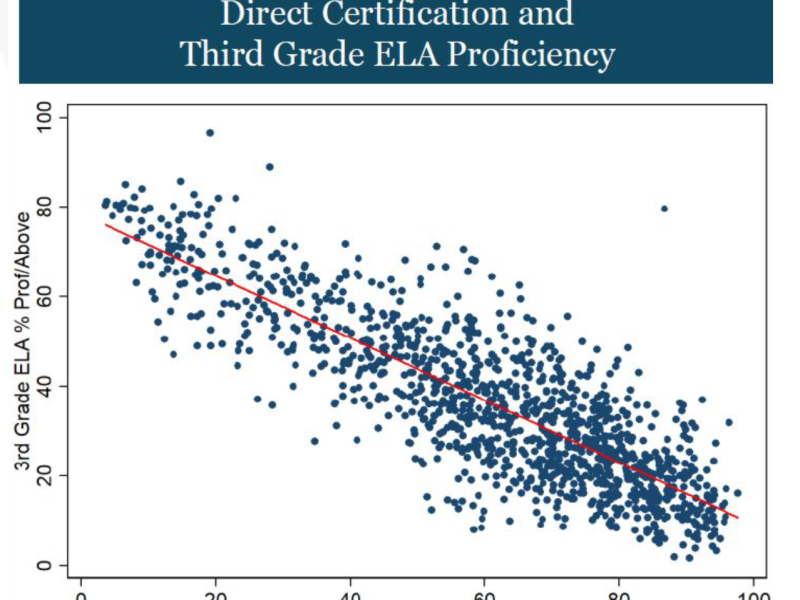
Georgia’s school funding formula still ignores poverty; educators say students pay the price
During a report to the board on the outcomes of this year’s legislative session, Dyer discussed the district’s efforts to persuade lawmakers to add an “opportunity weight” to Georgia’s Quality Basic Education (QBE) funding formula — a change supporters say would provide additional state funding for students living in poverty.
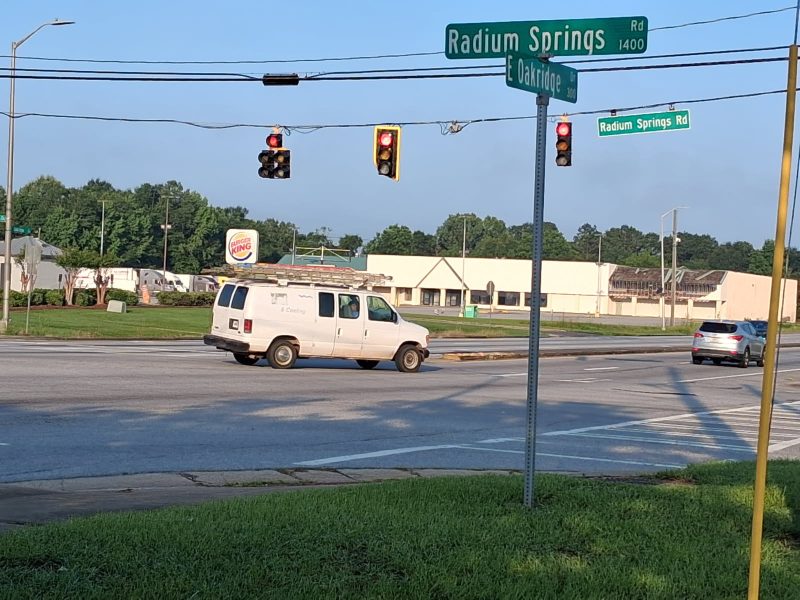
Red light violations will bring citations at a dozen Albany intersections
“That was always the goal of the school zone cameras, to change the behavior. It’s the same with the red lights, we want to change the behavior. When you see a yellow light, you need to slow down and prepare to stop.”
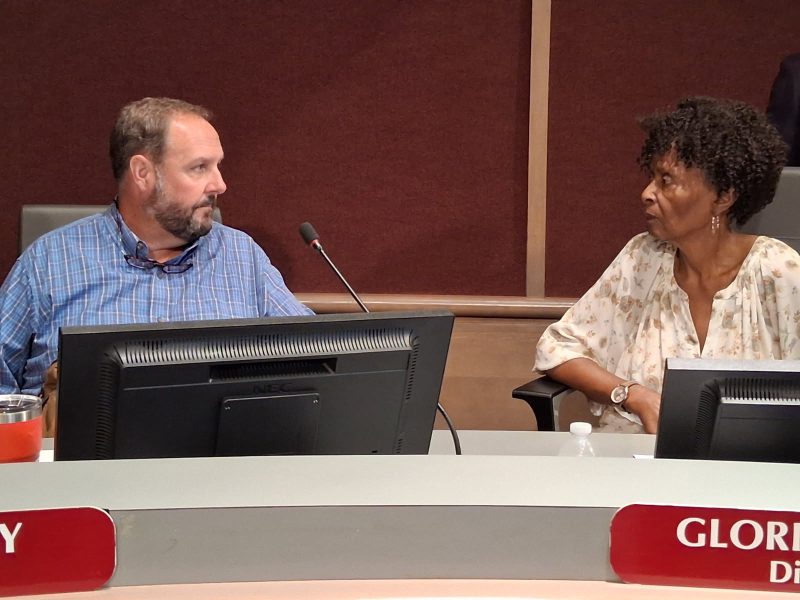
Dougherty Commission considers $104 million budget for 2026-2027 budget year
“The other side of the coin is you could have higher revenues than projected. We’re very conservative in budgeting revenues. That also reduces the need to use fund balance”
