
Restoration project seeks to improve coastal wetlands
GDNR and DU team up to improve wetlands
By Jon Gosa
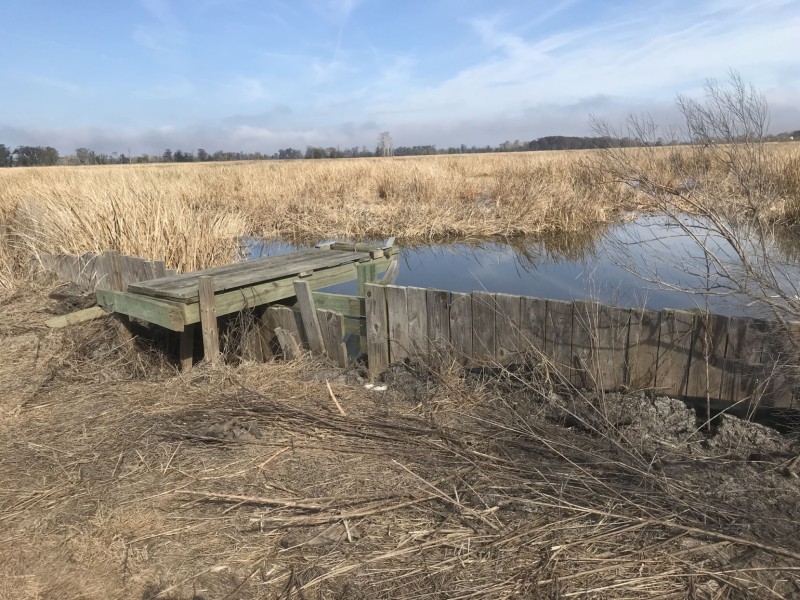
JEKYLL ISLAND – In an attempt to enhance some of Georgia’s premier coastal wildlife management areas, the state Department of Natural Resources has partnered with Ducks Unlimited in a multimillion-dollar wetland restoration project to improve public recreation opportunities, water quality, coastal resilience and waterfowl habitat over the next five years.
DU staff members and GDNR announced the recently signed agreement at the recent Georgia Ducks Unlimited state convention on Jekyll Island.
“Working with wetland restoration experts from DU, we will restore and enhance all of the managed wetland units on Altamaha WMA (Wildlife Management Area),” GDNR Chief of Game Management John W. Bowers said. “Altamaha is a very important area for waterfowl, shorebirds and wading birds and is a pre-eminent public waterfowl hunting area. This effort builds on the already strong partnership we have with DU and ensures Georgia hunters, bird watchers and wetland dependent wildlife have enhanced public lands into the future.”
The Altamaha WMA, split by Interstate 95 near Darien, has been impacted by hurricanes and major flood events annually since 2015 and has become a priority for conservation efforts in Georgia.
“DU and GDNR initiated an assessment on Altamaha WMA more than three years ago and determined the needs at the property would cost between $10 and $12 million,” DU Director of Conservation Programs James Rader said. “This $8.72 million endeavor will be funded through two North American Wetland Conservation Act grants. We secured a portion of the funding.
“DU and GDNR, because of our expertise in wetland and waterfowl management, have been working in that Altamaha corridor for years. We identified that some of those habitats have been declining over the years. There had been some different funding sources that came up over the years that we were unsuccessful with, so we started securing some federal grants over the last few years.”
According to Rader, because the area was impacted by a series of natural disasters, FEMA money has now become available for the project.
“There have been all the impacts from the 2015 rain events, Hurricane Matthew and Hurricane Irma,” Rader said. “There has been some additional FEMA funding now on top of what we secured for a big comprehensive project to enhance that entire WMA.”
According to Rader, the project expands on a longstanding partnership between the two organizations of conserving wetlands in the state and will work to restore and enhance wetland systems on Champney Island, Butler Island and Rhett’s Island over the next five years, an area encompassing several thousand geographically unique acres.
“In the Altamaha region, there are some of the few remnant rice fields within the coastal plain of Georgia,” Rader said.
In fact, the heart of the United States rice industry lay in the South Atlantic region from the early 18th century until the late 19th century. After South Carolina, Georgia was the leading producer in this region.
Beginning in the 1880s, the center of the U.S. rice industry shifted to the “Old Southwest:” Louisiana, Arkansas, and Texas, and later to California as well.
Commercial rice production in Georgia and other parts of the South Atlantic region collapsed completely in the first decade of the 20th century.
Butler Island, aptly named for its owner, Major Pierce Butler, is one of the islands targeted by the restoration project. It was home to the family’s rice plantation from 1790 until the late 1800s. The family eventually sold the remains of their land in 1923.
Today, GDNR manages the plantation.
“We call those areas managed tidal impoundments because they are not truly salt marsh, and they are not really freshwater marsh,” Rader said. “They are kind of in-between, based on the salinity matrix in that area. What they are is a unique feature due to rice culture that still remains on the landscape where there are habitats within a diked system, or an embanked system, where DNR is able to manipulate water to manage vegetation to provide whatever outcome it is for whatever species they are managing, which traditionally, is waterfowl.”
Related Articles
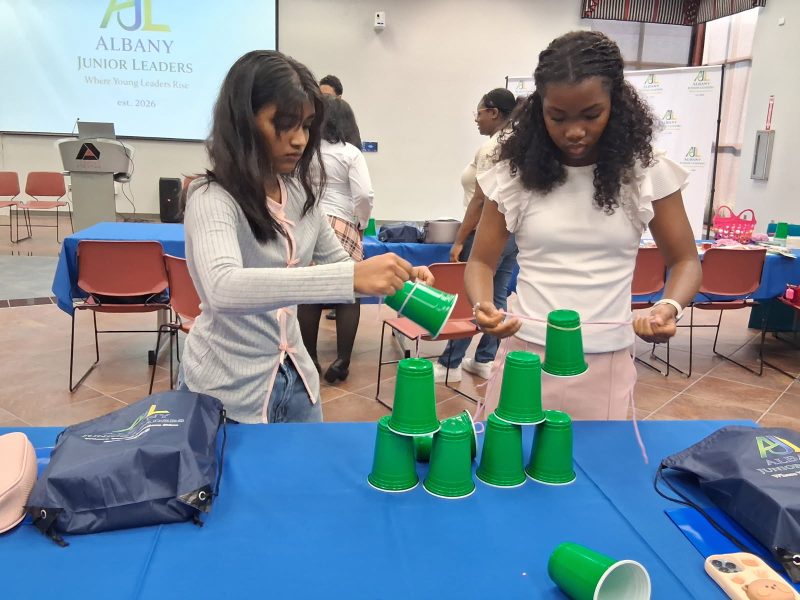
Adult leadership group spreads concept to high school students
“The purpose of Albany Junior Leaders is to pull together leaders from all over the community. We wanted to give these youth the same experience and the same exposure we’re getting in Leadership Albany.”
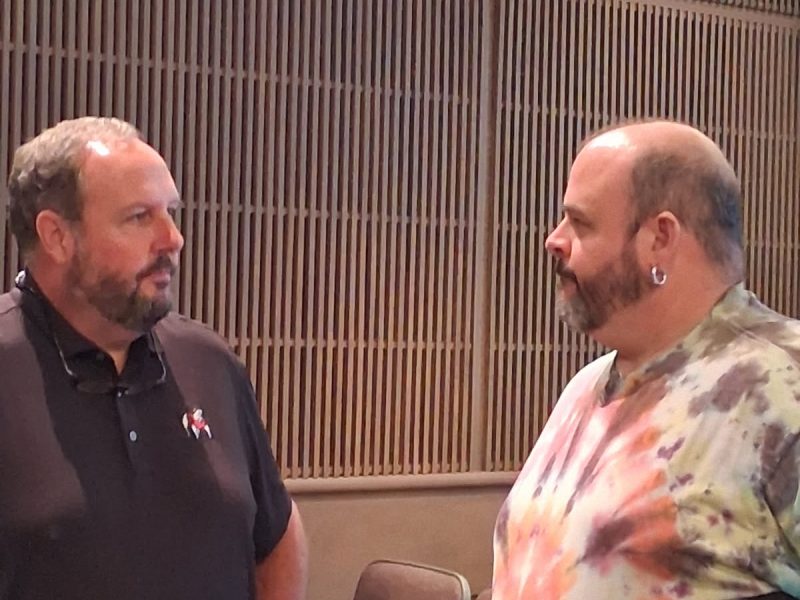
Albany/Dougherty County among local governments looking at data centers
“Our understanding is that data center developments look like an easy fix for the problems that face rural America, but this is a Faustian deal at best. You can see the effects in communities across the state and country.
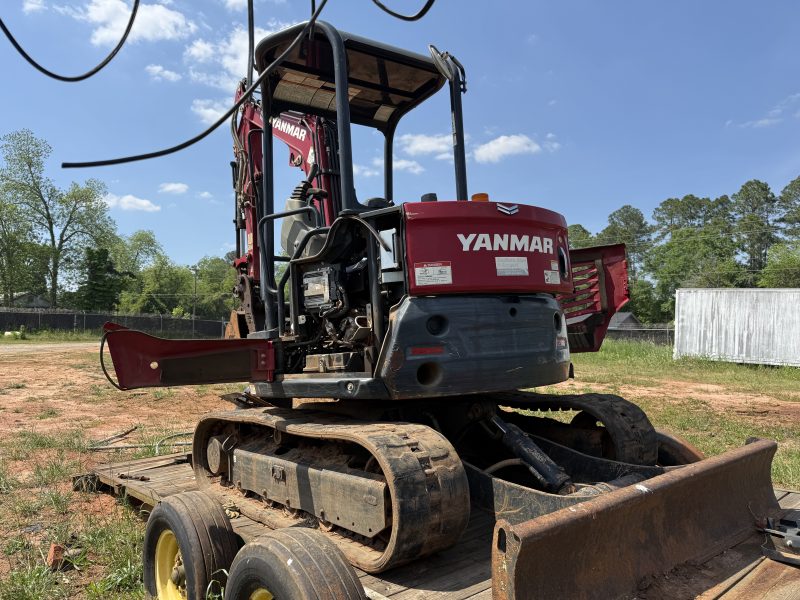
Dawson approves $68K excavator purchase after months of contradictory public statements
The decision concludes one portion of a controversy that has generated months of public scrutiny but leaves several unanswered questions regarding how the city’s original machine was damaged, whether employees were held accountable and what documentation supports the decision to replace rather than repair it.
