
Despite development, urban blight remains in Albany
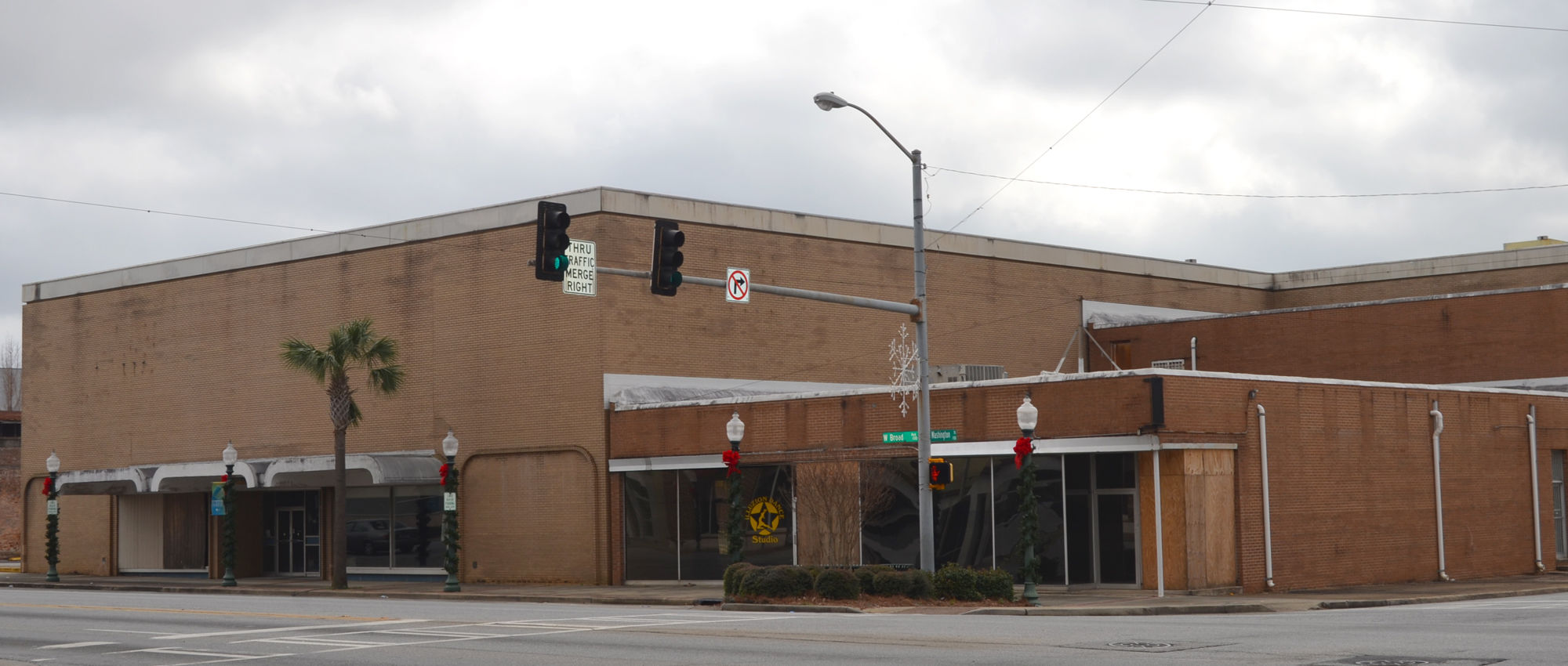
City officials talking with developers about downtown properties
File Photo
By Carlton Fletcher
ALBANY — B.J. Fletcher has been involved in efforts to revitalize Albany’s downtown district for the better part of two decades, first as a business owner in the district and now as its representative on the Albany City Commission.
She’s put “my money where my mouth is,” opening restaurants in the district and working with other entrepreneurs to bring various businesses downtown. She’s enjoyed limited successes and endured failures.
Now, though, Fletcher has claimed ownership of downtown for her colleagues on the Albany City Commission, boldly proclaiming that any future success or failure can be laid at the feet of that board.
“What’s been missing in efforts to revitalize our downtown in the past is we haven’t had leadership to guide us,” Fletcher said. “Now, the mayor (Dorothy Hubbard), the city manager (Sharon Subadan) and the City Commission are all passionate about revitalization.
“We’ve gone too far into the process to turn back now. Now we own this. If revitalizing downtown is a success, this commission owns it. If it fails, though, we own that.”
The story of Albany’s revitalization efforts has enough highs and lows, twists and turns, to inspire a Shakespeare-worthy tragedy — or comedy as the case has sometimes been. From bringing on a downtown manager who wound up in jail for shady dealings to a semi-government agency handing out tens of thousands of taxpayer dollars for yet another revitalization plan over the objections of the long-time city attorney only to have the plan fail epically to current progress that has seen limited success beyond some developers’ expectations, the ongoing revitalization of Albany’s once-teeming Central Business District has polarized the community like few other issues.
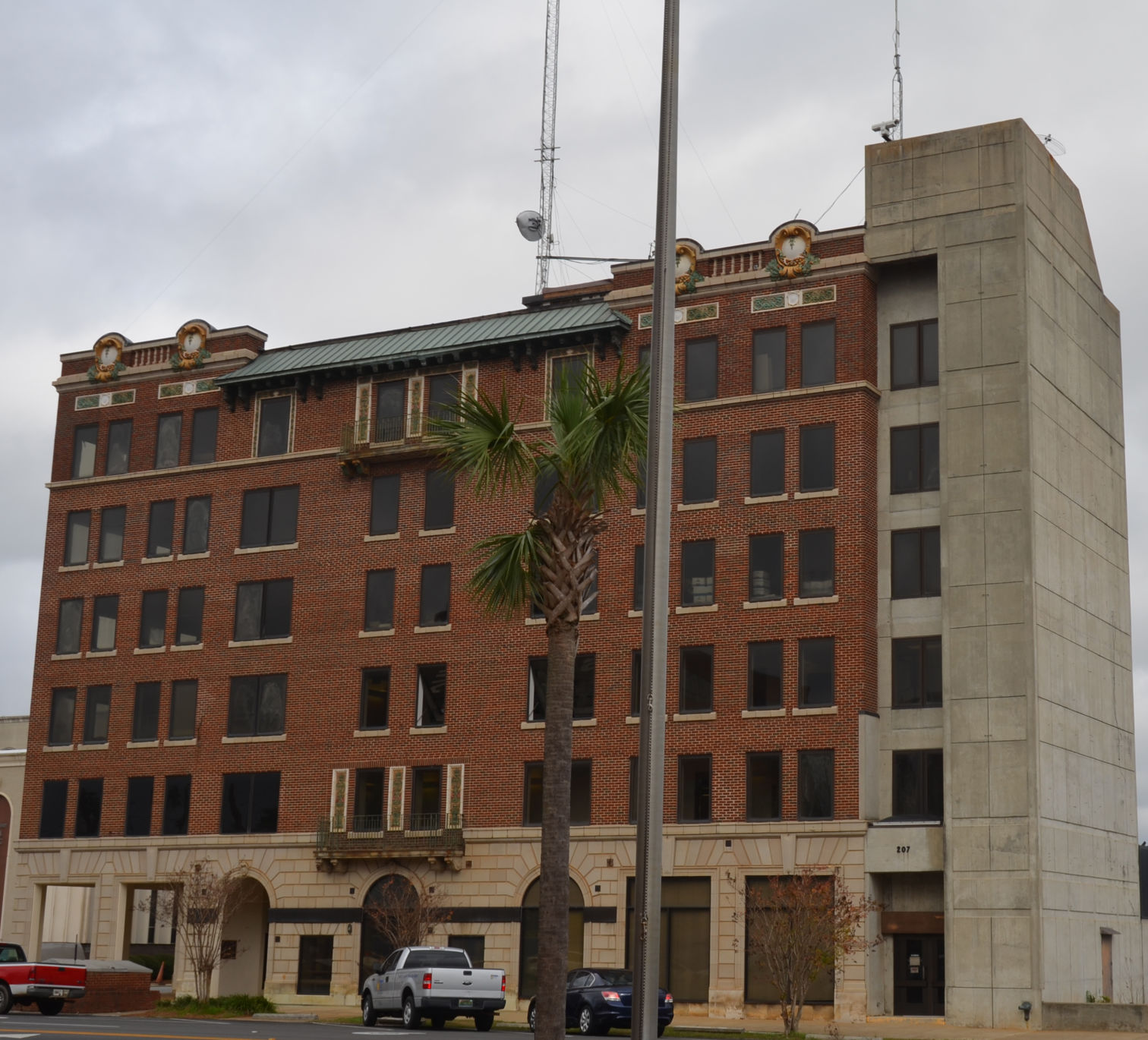
With talk swirling around the 207 Pine Avenue property that once served as the city’s Utilities Authority building as a possible “boutique hotel site” to the city of Albany’s search for a downtown location to take the place of the former Belk building — which had environmental issues that could not be worked out with the owner — as home of the Albany Museum of Art, the future of the city’s downtown remains a murky proposition.
That doesn’t diminish the optimism of the principles involved, though.
“I can’t give any specifics, but there are four or five developers who are very interested in our downtown properties,” Subadan said recently. “We’re hearing from people every day. Sure, we’d like for the momentum to continue building, but redevelopment is a slow process.”
—
Albany’s downtown was once a thriving part of the city, it’s shops and attractions drawing visitors from throughout the region. The city’s sidewalks were once crowded with shoppers and onlookers drawn to the crowds.
But in the late 1970s-early 1980s, then-Albany Mayor James H. Gray led efforts to turn the city’s downtown, which had started to lose some of its luster, into a government center. The media magnate — Gray at the time owned both The Albany Herald and the local WALB television station — saw his vision realized, but some say the “new” downtown Albany stole the soul of a community whose pocketbooks were already being drawn to the newly bustling west side of town.
By the turn of the century, Albany’s downtown had grown into something of a wasteland. The centers of government — and education in the form of the county’s school system headquarters — remained vital in the district, but most retailers either gave up altogether or headed west for the greener pastures around the Albany Mall.
Bo Henry, then a brash young 26-year-old musician who’d seen what downtown revitalization was like while playing at clubs in college towns, decided he’d become a restaurateur and bring a little life to Albany’s downtown. He opened Harvest Moon on West Broad Avenue, and soon his restaurant — which included an outdoors stage that Henry built to induce musical artists (and customers) to patronize his establishment — was the hottest venue in town.
“I had no idea what I was doing at that time, but I loved that downtown environment,” Henry said. “I only had one mouth to feed at that time, so I said, ‘Why not?’ And I enjoyed every day that I was down there.”
But with no other businesses around to draw potential customers, Henry found himself fighting an uphill battle to draw customers after downtown government workers went home at 5 p.m.
“You have to remember, at that time there was no federal courthouse, no parking decks, no RiverQuarium, no Riverfront Park,” he said. “Some of those things were in the works, but we were pretty much standing alone.
“Our lunchtime business was great; in fact, what we do now at Harvest Moon (located at 2347 Dawson Road) is about what we did downtown. But there was no consistency with our evening business. One night, we couldn’t hold all the people. The next, it was like we were closed.”
So Henry, who had taken on Stewart Campbell as a partner, followed his second restaurant — The Catch, which had gone over tremendously — to the property on Dawson Road that Harvest Moon now occupies. Still, the now married father of two says he never quit believing in downtown.
“I still have a heart for downtown,” Henry said. “I feel — and I hope I’m right — that a move could be coming soon. Efforts downtown kind of got a black eye with the downtown manager (Don Buie) fiasco, but Pace’s (Burt) development (the Flats at 249) and the (Pretoria Fields) Brewery have shown that you can have success downtown.
“I still believe in downtown — and I think the new leadership at Albany State (University) could be key in rebuilding the momentum. Albany State downtown would be huge for the city. Stewart and I have been looking at properties in the district, because we believe the momentum will grow. You never know, but at some point, the right place will open and people will say, ‘We’re going to make downtown boom again.’ I believe that can happen.”
—
The Buie “fiasco” Henry referenced was the hiring of Don Buie, who came to Albany from Baltimore in 2007 with impressive credentials. But city officials later admitted that they did not check Buie’s work history thoroughly, an oversight that gave downtown and Albany a huge black eye and halted whatever momentum that had started to build.
Buie would eventually be charged with 19 counts, including theft by taking by a government official for funneling taxpayer money to his wife and girlfriend. He was convicted on nine counts and sentenced to 10 years and jail, ordered to pay restitution and was banished from Dougherty County.
Fletcher opened Cafe 230 on West Broad and was instrumental in bringing the D’town General Store, Po Boys Produce and Verge to a block of vacant buildings on Washington Street. But the support of those establishments, though excellent initially, eventually petered out.
“We survived about three years,” Fletcher said. “(Then-Downtown Manager) Aaron Blair did a great job of building momentum downtown, but he had no support from the (city) commission. People have unfairly criticized Aaron for leaving after the momentum started to fade, saying Albany was just a ‘notch on his belt,’ but what he didn’t have was a commission with vision to back him.”
Indeed, the city of Albany bestowed authority on the Albany-Dougherty Inner City Authority (ADICA), a quasi-governmental board designed to be a pass-through agent for business activities outside the authority of the sitting government, that it was not equipped or capable of conducting.
Before Subadan came on board as city manager and put a stop to ADICA’s unchecked power grab, the agency had frittered away a sizable amount of taxpayer money allocated by the city ($2.7 million in total grant funding), had paid downtown property owners earnest money twice for properties that would eventually go back to the owners when yet another redevelopment plan (this one by Shandon Development Properties of North Carolina) fell through, and had turned down a better-than-fair-market bid on city-owned property made by two of the city’s most successful businessmen because the then-director of the board didn’t care for the business owners’ “lack of a detailed proposal.”
That property was eventually rented to a shoe repair business at $500 a month.
“There was finally an end to the madness, but it was well after ADICA had made some very questionable decisions that hurt the city,” Fletcher said.
—
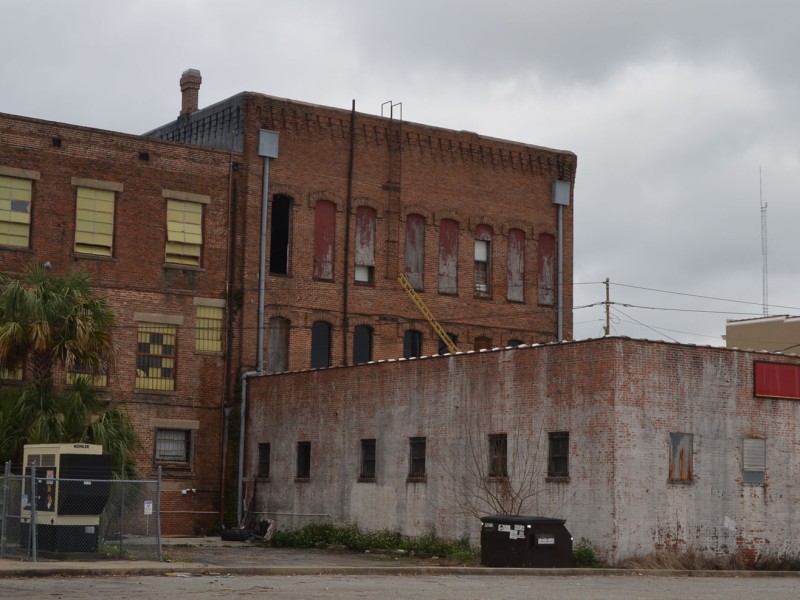
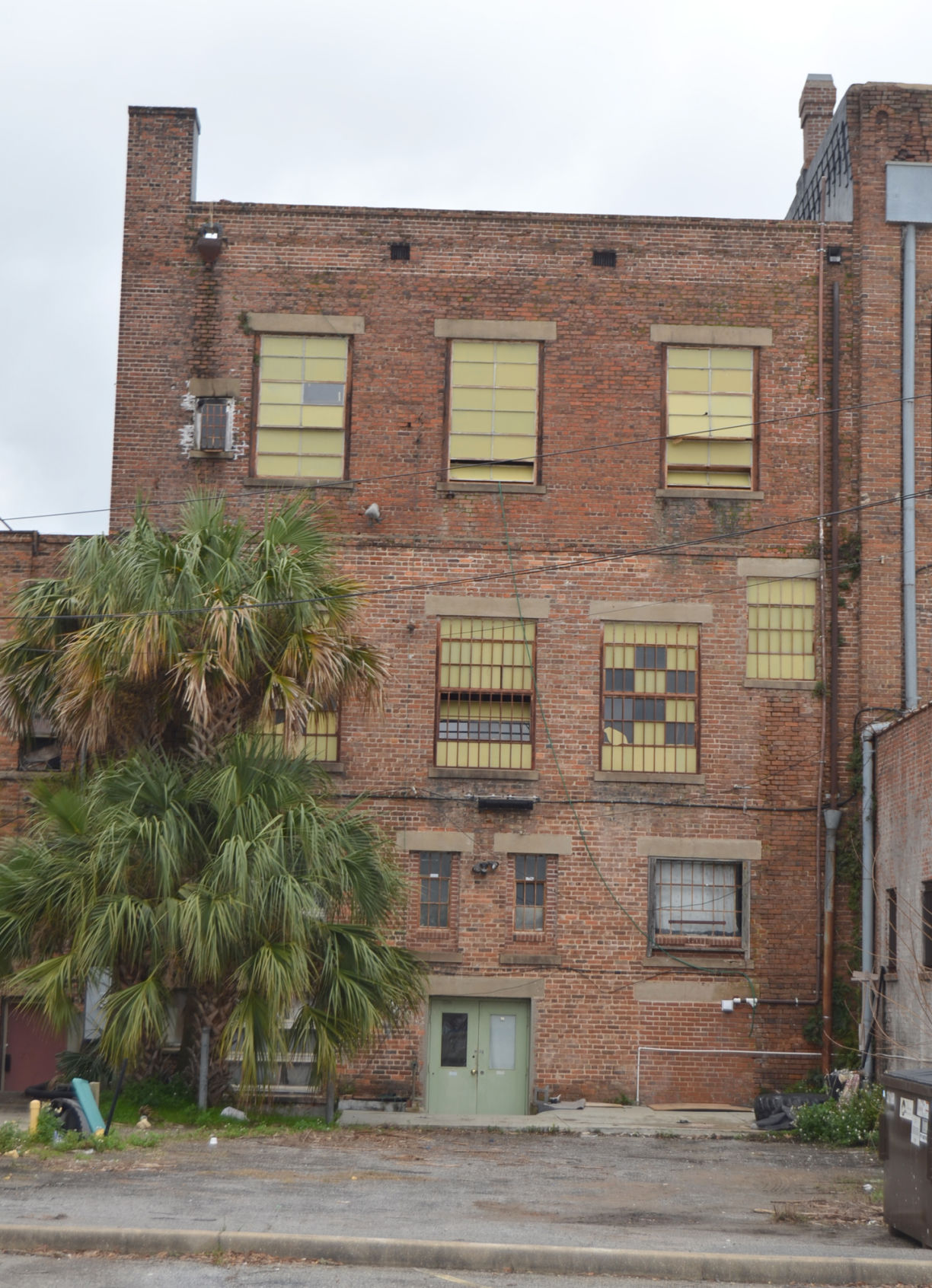
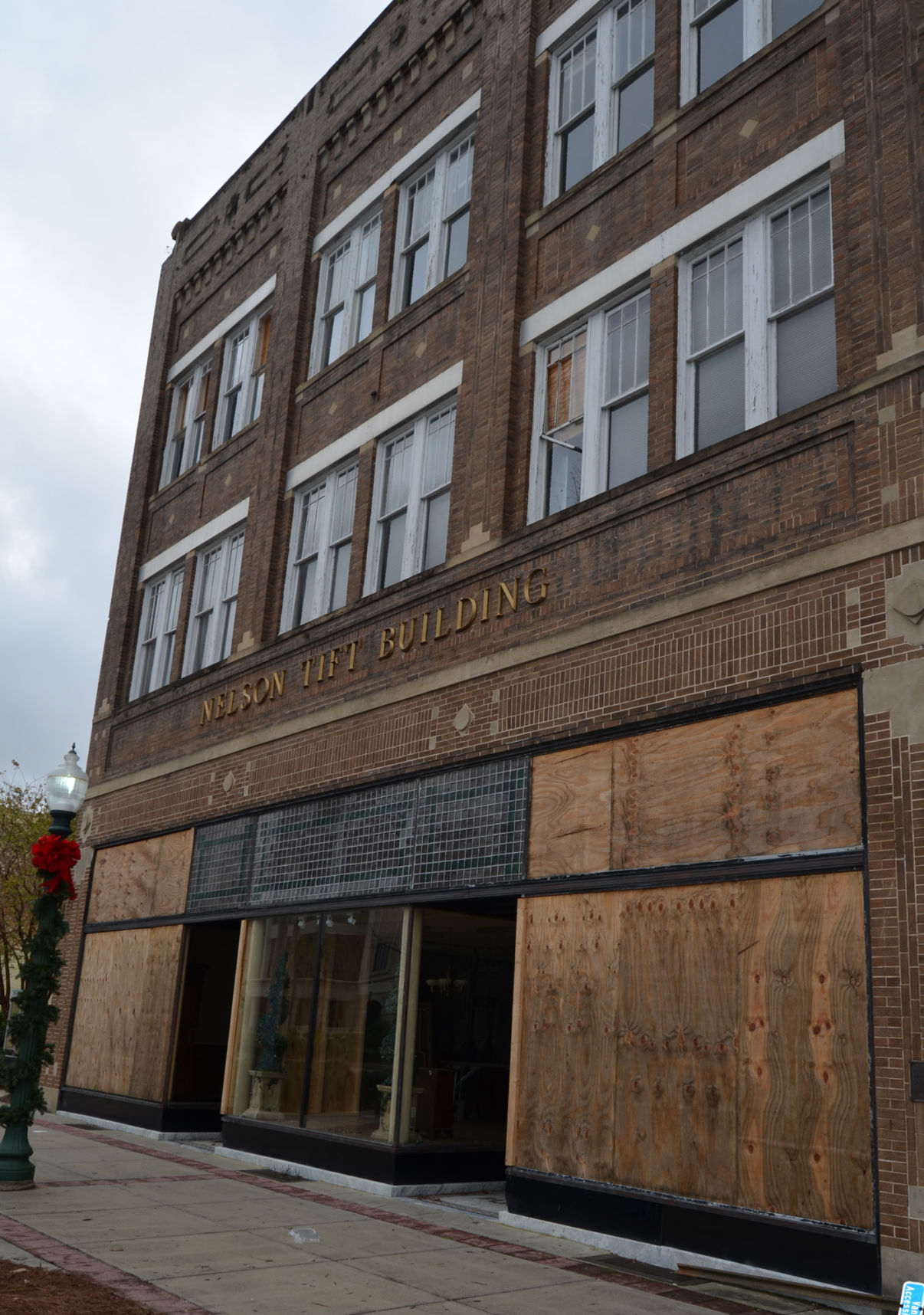
Another issue that has hurt redevelopment efforts, many close to the situation say, is that property owners downtown refuse to upgrade their vacant properties, making it less likely that developers will be willing to come in and eat the extra costs needed to upgrade the properties.
“I won’t call any names,” Fletcher said, “but there are property owners sitting on property downtown thinking it’s a gold mine — the optimal word being ‘sitting’ — who do nothing to upgrade their property. Developers see the shape of the structures on the property, and they’re not willing to take on the extra cost for upgrades.”
Fletcher has pushed for — and continues to endorse — fees or fines on abandoned properties not brought up to code.
Burt, who used his expertise as a developer to turn what was once an eyesore — the former Albany Heights building at 249 Pine Ave. — into a successful residential development, acknowledged that stagnating property is a concern as the city works to re-energize downtown development momentum.
“It’s true, unfortunately, that individuals who own downtown property are not very motivated to upgrade those properties,” Burt said. “And that stagnates growth. But, we have to remember that those are those people’s properties, and they deserve to be paid for them.”
Burt’s Flats at 249, a 66-unit residential development that offers downtown living, went from what some saw as a pipe dream into one of the city’s biggest successes. The units in the downtown development filled quickly, and a sizable waiting list is now hoping to get a shot at one of the units.
“It was a risk, but I always took the position that I could find 66 people who wanted to live downtown,” the developer said. “We’ve been extremely successful, but there has not been the momentum downtown that I hoped there would be after we got the housing development ready. And our residents have not been the support for downtown businesses that I’d hoped they’d be. That can lead to stagnation.
“I think what happens in the next little bit is crucial to downtown. A hotel would be huge. And getting the Museum of Art into the district is vital. The restaurant (The Flint) coming will be big, but there are questions right now.”
The answers to those questions may very well determine whether redevelopment of downtown Albany has taken root or whether it is once again destined to whither on the vine.

Author

Related Articles
Dougherty Commission considers $104 million budget for 2026-2027 budget year
“The other side of the coin is you could have higher revenues than projected. We’re very conservative in budgeting revenues. That also reduces the need to use fund balance”

Albany police investigate suspicious Sunday death
A 21-year-old Turner Job Corps student who was found unresponsive on Sunday evening was later pronounced dead at Phoebe Putney Memorial Hospital. The death is under investigation.

James Rubino installed in new role at Marine Corps Logistics Command in Albany
James L. Rubino recently assumed the role as executive deputy of Marine Corps Logistics Command in Albany. In his new role he will oversee integrated logistics support.
