
Scarlet fever less threatening but still can damage heart, kidneys
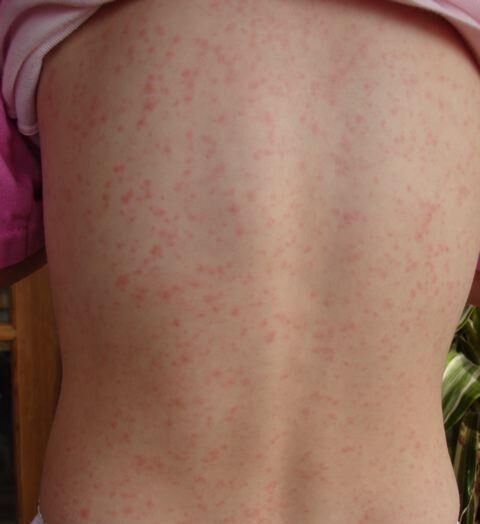
Special Photo: Alicia Williams
By More Content Now
Special to the Albany Herald
Scarlet fever is a bacterial illness that can develop in those who have strep throat. Identifiable by a bright red rash that covers most of the body, scarlet fever is often accompanied by a high fever and sore throat.
Scarlet fever, also known as scarlatina, is most common in children ages 5 to 15. Once considered a serious childhood illness, antibiotic treatments have made scarlet fever less threatening. According to the Mayo Clinic, however, if left untreated, the illness can cause complications that affect the heart, kidneys and other parts of the body.
Scarlet fever is so named because of the rash and redness that develop on the face and tongue, which typically last about a week. Afterward, the affected areas of skin affected often peel. Visible signs of scarlet fever include:
♦ Red rash. The rash looks like a sunburn and feels like sandpaper. It typically begins on the face or neck and spreads to the trunk, arms and legs. If pressure is applied to the reddened skin, it will turn pale.
♦ Red lines. The folds of skin around the groin, armpits, elbows, knees and neck usually become a deeper red than the surrounding rash.
♦ Flushed face. The face may appear flushed with a pale ring around the mouth.
Strawberry tongue. The tongue generally ♦ looks red and bumpy, and it’s often covered with a white coating early in the disease.
Other symptoms:
♦ Fever of 101 degrees F or higher, often with chills;
♦ Very sore and red throat, sometimes with white or yellowish patches;
♦ Difficulty swallowing;
♦ Enlarged glands in the neck (lymph nodes) that are tender to the touch;
♦ Nausea or vomiting;
♦ Headache;
When to see a doctor: You should consult a doctor if your child has a sore throat with the following symptoms:
♦ A fever of 102 degrees F (38.9 degrees C) or higher;
♦ Swollen or tender glands in the neck;
♦ A red rash;
“Scarlet fever is caused by the same type of bacteria that causes strep throat,” according to the Mayo Clinic. “In scarlet fever, the bacteria release a toxin that produces the rash and red tongue. The infection spreads from person to person via droplets expelled when an infected person coughs or sneezes. The incubation period — the time between exposure and illness — is usually two to four days.”
If left untreated, the bacteria that causes scarlet fever can spread to the tonsils, lungs, skin, kidneys, blood and middle ear. Rarely, scarlet fever can result in rheumatic fever, a serious condition that can affect the heart, joints, nervous system and skin.
No vaccine exists to prevent scarlet fever. The best strategies for prevention are standard precautions against most infections:
♦ Wash your hands thoroughly with warm, soapy water;
♦ Don’t share dining utensils or food at home or school;
♦ Cover your mouth and nose when coughing and sneezing;
♦ If your child has scarlet fever, wash his or her drinking glasses, utensils and washable toys in hot, soapy water or in a dishwasher.
Related Articles

Putting on the Ritz: The rise, fall and renewal of Albany’s Harlem District
On July 7, the Albany City Commission unanimously approved final construction drawings for a comprehensive restoration of the Ritz Theatre and Cultural Center, clearing the way for the project to move into competitive bidding after years of planning and preservation efforts. The decision marks the latest chapter in a decades-long effort to preserve one of Southwest Georgia’s most significant African American landmarks.

Albany City Commission set to vote on skate park funding
“There have been other sites discussed. Based on information (from) the community, we decided on the current site. That’s the only site we’re looking at right now.”

Following Lee’s lead, Terrell County hits pause on data centers
The Terrell County Board of Commissioners voted unanimously Tuesday to adopt a six-month moratorium on new data centers, giving county officials time to develop zoning regulations governing where such facilities could be located and how they would operate.
