
Albany native part of film that documents element of Atlantic slave trade
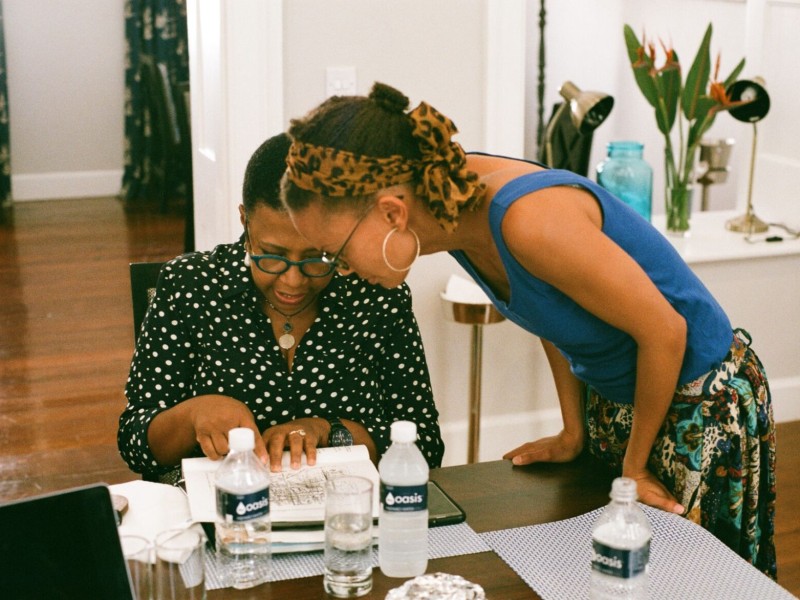
Photo Courtesy: PT Films
By Carlton Fletcher
[email protected]
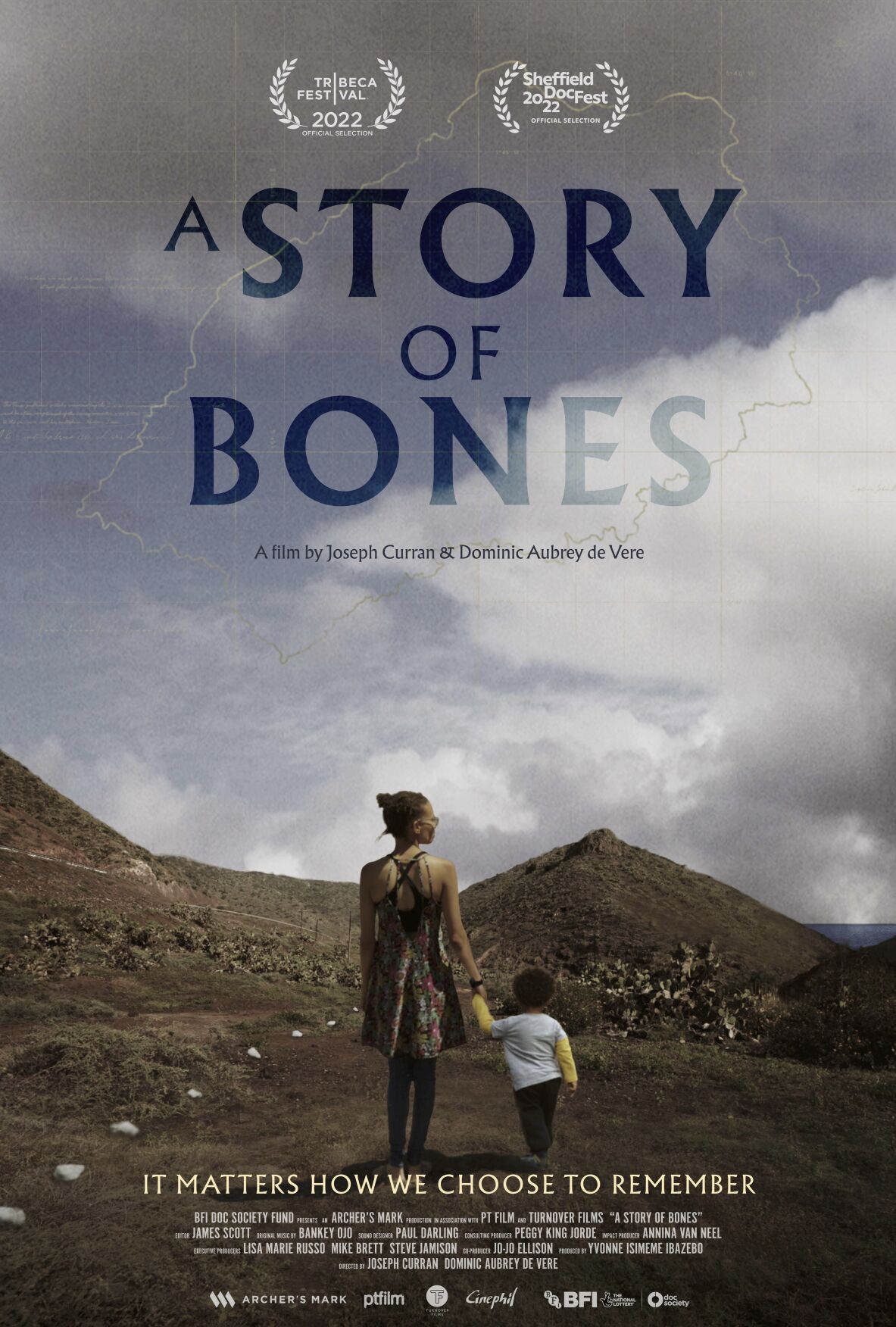
ENGLEWOOD, N.J. — Peggy King Jorde, one of the principles in the stirring documentary “A Story of Bones,” said the story, which takes two black women on a journey of awakening from the middle of the Atlantic Ocean to a tour of sacred Civil Rights landmarks in America, is a call to action for restorative justice.
And when, only a year after the film was released at the Tribeca Film Festival in New York, it led to the proper burial — minus any ceremonial trappings — of hundreds of bodies of victims of the international slave trade that had been stored, unprotected, in a prison facility for 14 years after their remains were unearthed for the construction of a road, it became clear that “Bones” was serving its purpose.
“This film is about global awareness,” Jorde (pronounced Yor deh), who originally advised a British film crew on the project until her involvement led to a pivotal role in the story, said. “While most of the more than 10,000 people buried on St. Helena were victims of the African slave trade, the route was the middle leg of the slave-trade triangle. The significance is global; it reaches well beyond the barriers of the island.”
“A Story of Bones” is, ostensibly, the story of a woman, Annina van Neel, an outsider who seeks to memorialize and preserve the remains of the thousands of mostly slaves who were buried on St. Helena during the height of the Trans-Atlantic slave trade. It’s during her efforts that she meets Jorde, an American cultural heritage advisor who is recruited to lend her expertise on such matters to a British film crew documenting van Neel’s efforts in the UK territory.
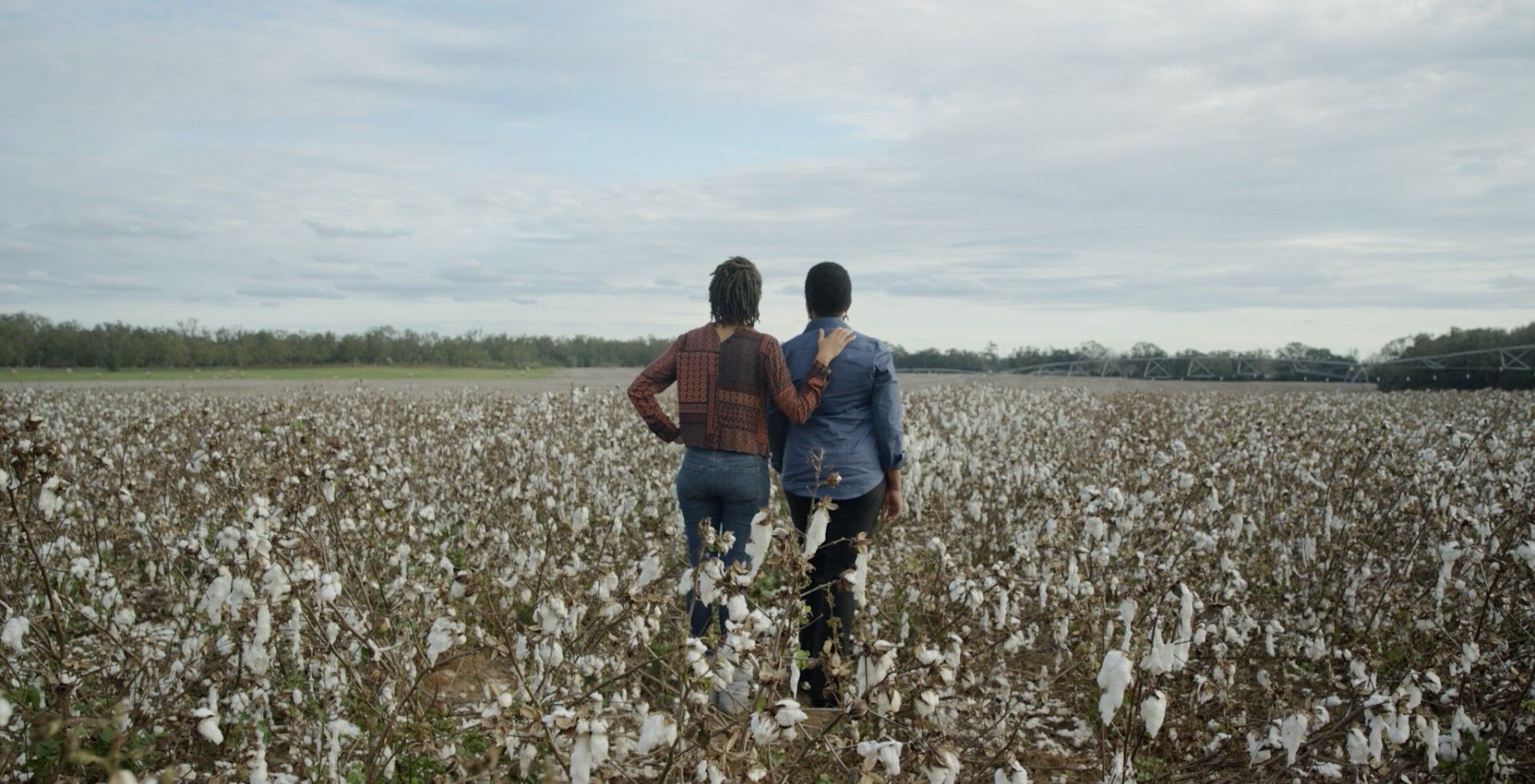
Jorde, nee Peggy King, the daughter of Albany civil rights attorney C.B. King, helps van Neel understand that, to see the entire, more global picture, she needs to get away from the island to understand the significance of this remote location. The pair takes a journey that starts with a trip to African American burial grounds in New York, a landmark primarily preserved and memorialized through Jorde’s efforts, and takes her through significant civil rights landmarks in places like Montgomery, Ala.; St. Helena and Charleston, S.C.; and Savannah and Albany in Georgia.
“The idea — and this became part of the film — was to help Annina see this journey from a global, from a human and from an economic standpoint,” Jorde said. “She came to understand the struggle for rights and the freedom of slaves was not just an issue of the American South. I think the visit to sites in America had quite an impact on her.”
After drawing rave reviews at Tribecca and other national and international film festivals, “A Story of Bones” will have its first showing on Georgia Public Television Monday at 11 p.m. A second showing is planned for Thursday at 3 a.m. Jorde said the documentary will soon be streamed on public TV.
In 1991, New York City’s first African American Mayor, David Dinkins, recruited preservationist Jorde to serve as director of a project that would impact land in the city that was being considered for development. A friend of Yorde’s showed her documents that indicated the land under consideration was once an African American burial ground.
Thanks largely to her efforts, the project was halted and the land was instead converted into the first African American memorial in the state of New York.
Jorde, who took time away from work to raise her two children, was approached by the filmmakers who were documenting efforts to preserve the burial grounds on St. Helena. They sought her expertise and started communicating virtually. Eventually they flew Jorde to St. Helena, and she became immersed in the project. She flew to Johannesburg, South Africa, to St. Helena and later to Britain to talk with members of Parliament about the UK territory.
“I knew Annina’s path because it was a path I had taken the same path 30 years earlier,” Jorde said.
Since the five-year project that became “A Story of Bones” was finally completed and released, Jorde has continued her preservation work with a renewed sense of purpose. She’s consulted in Newnan, Georgia; worked on projects in the Dutch Caribbean, and offered her expertise on several projects in Manhattan. But her work in St. Helena has remained a vital part of her professional DNA.
“I left that project committed to using it to bring about awareness,” Jorde said. “I hope this project inspires people to do a deep dive into the history of the Trans-Atlantic slave trade. There is hope that (the documentary) will shine a global light on this issue and be a call to action for reparative justice that is overdue.”
Author

Related Articles
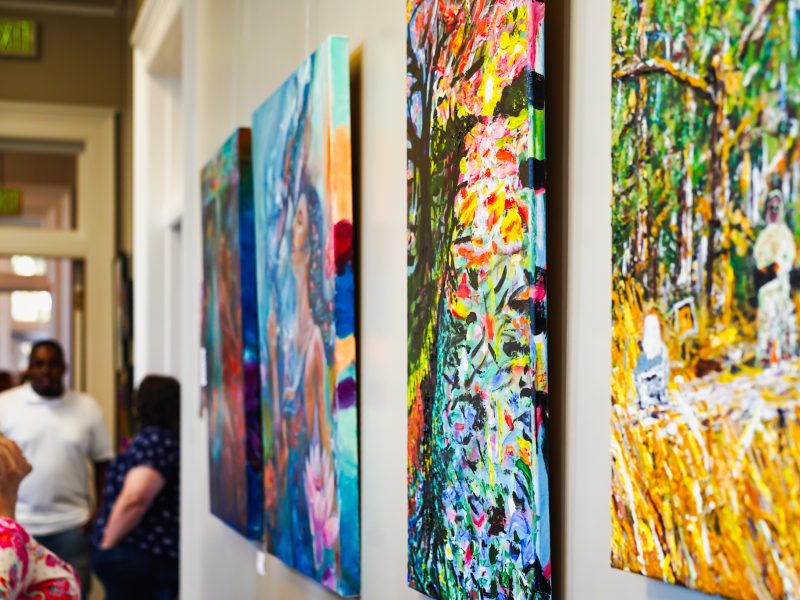
Southwest Georgia artists recognized at packed opening of exhibition
The annual juried exhibition, one of the region’s largest showcases of visual art, features approximately 46 artists and nearly 90 works spanning painting, sculpture, ceramics, photography and mixed media.
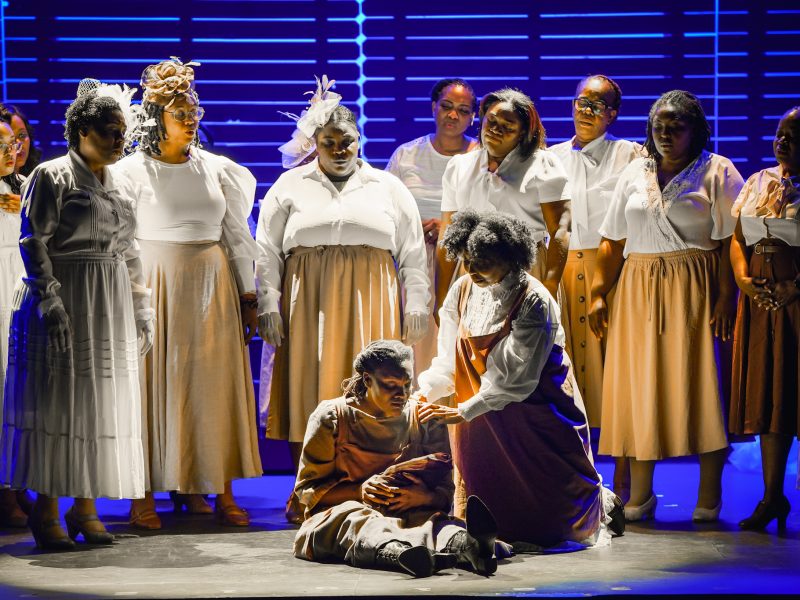
Powerful performances drive Theatre Albany’s ‘The Color Purple’
From the street, strands of purple ribbon wind around the white columns of the historic theater, hinting at the story waiting beyond its doors. Inside the foyer, a carefully curated slideshow flickers across a large screen, cycling through the faces of the cast. Some are seasoned performers. Others are stepping onto a stage for the very first time. Teachers stand alongside former students. Parents perform beside their children. People who worship in different churches, work different jobs and come from different corners of Southwest Georgia gather beneath the same lights to tell the same story.

Annual exhibition showcases southwest Georgia talent, community connections
Now in its 26th year, the exhibition features work by artists from across Southwest Georgia and offers residents an opportunity to engage directly with the area’s creative community.
