
Little thought given to animal welfare at Tift Park Zoo
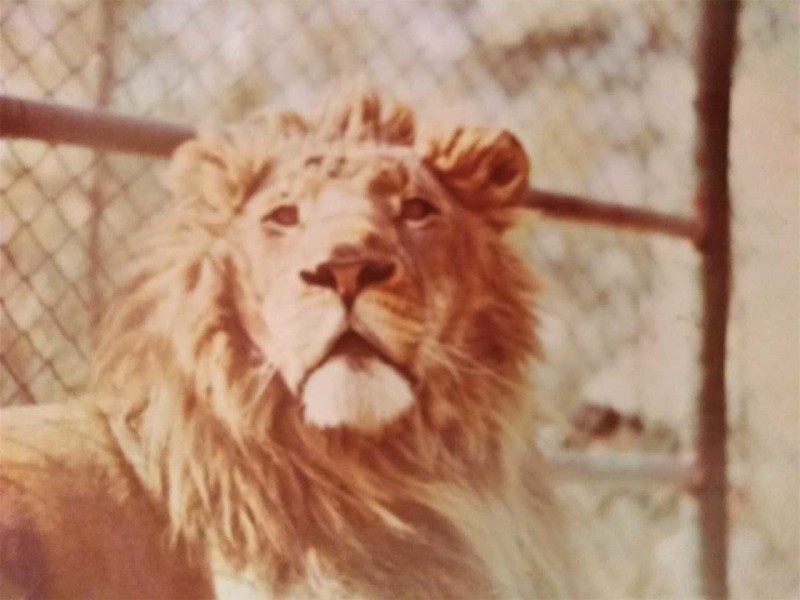
Special Photo from W.T. Hill’s Collection: Courtesy of his Granddaughter, Danielle Strickland
By Doug Porter
Special to The Albany Herald
EDITOR’S NOTE: Third in a series on the history of the Tift Park Zoo.
ALBANY — Harold Sizemore was about 6 years old when a baboon at the Tift Park Zoo bit off his finger. His brother, James Sizemore Sr., owner of Sizemore Brothers Plumbing and a lifelong Albany resident, recalls the 1954 or 1955 incident clearly.
As Sizemore tells the story, two baboons were in a wire cage that visitors could walk right up to with no barriers. Harold placed his hands on the wire mesh and one of the baboons bit off the first joint of his little finger. James remembers that Harold didn’t seem to be in much pain and everyone wondered where all the blood was coming from. Fortunately, the hospital was across the street.
According to Sizemore, the incident prompted zoo officials to move the baboons to a larger cage with a railing to keep people back.
“There was no talk of a lawsuit,” Sizemore, now in his mid-70s, said. “People just didn’t do that back in those days.”
In the 1950s and 1960s, Albany’s Tift Park Zoo was a popular — and growing — attraction. Families packed the park on weekends when Sizemore and his siblings swam in a pool that later became the zoo’s otter pond. He remembers a monkey island with lots of monkeys, ropes and shelters and suggests there may have been a bear, but no lions or elephants at that time. They must have come a few years later.
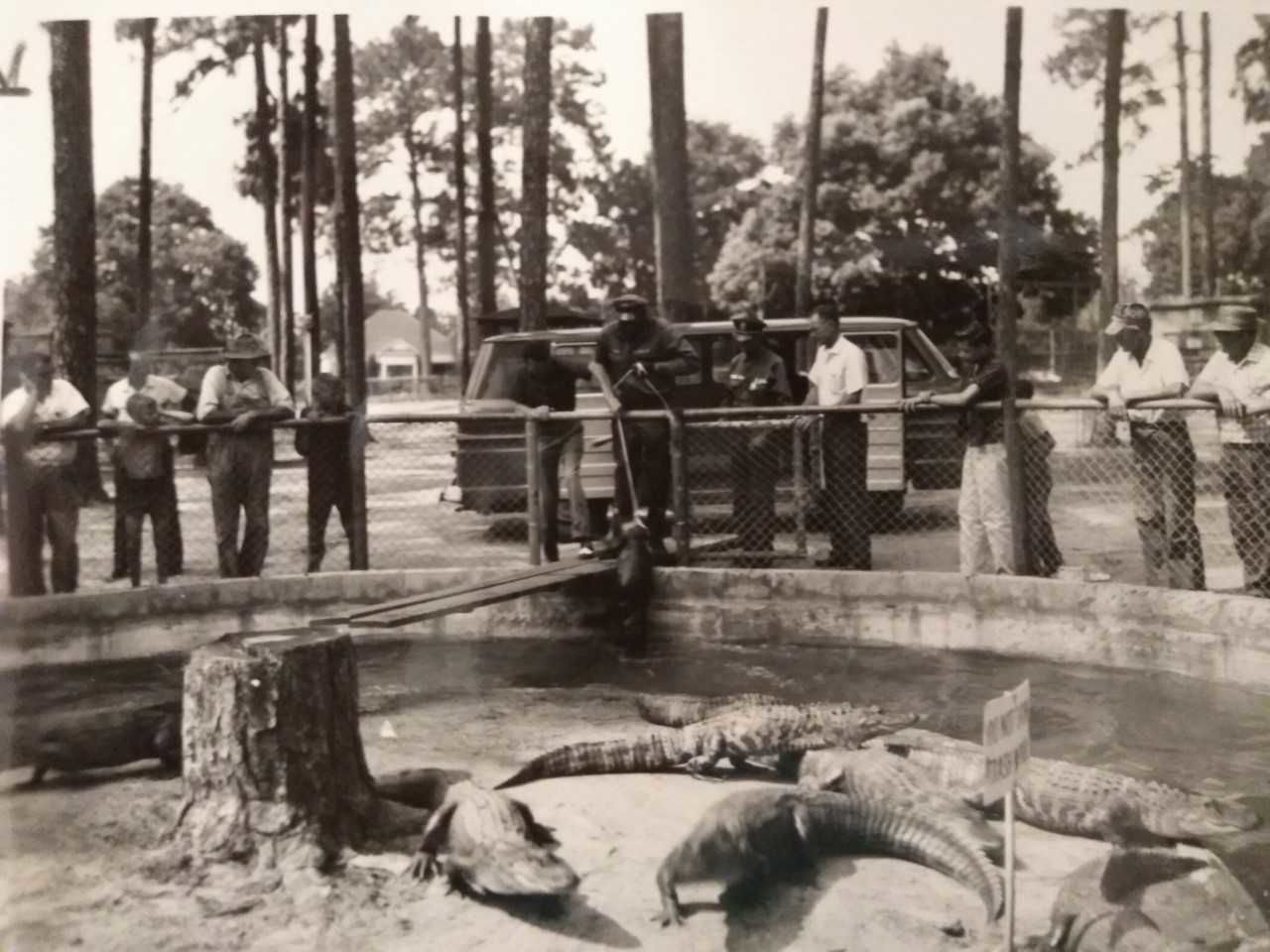
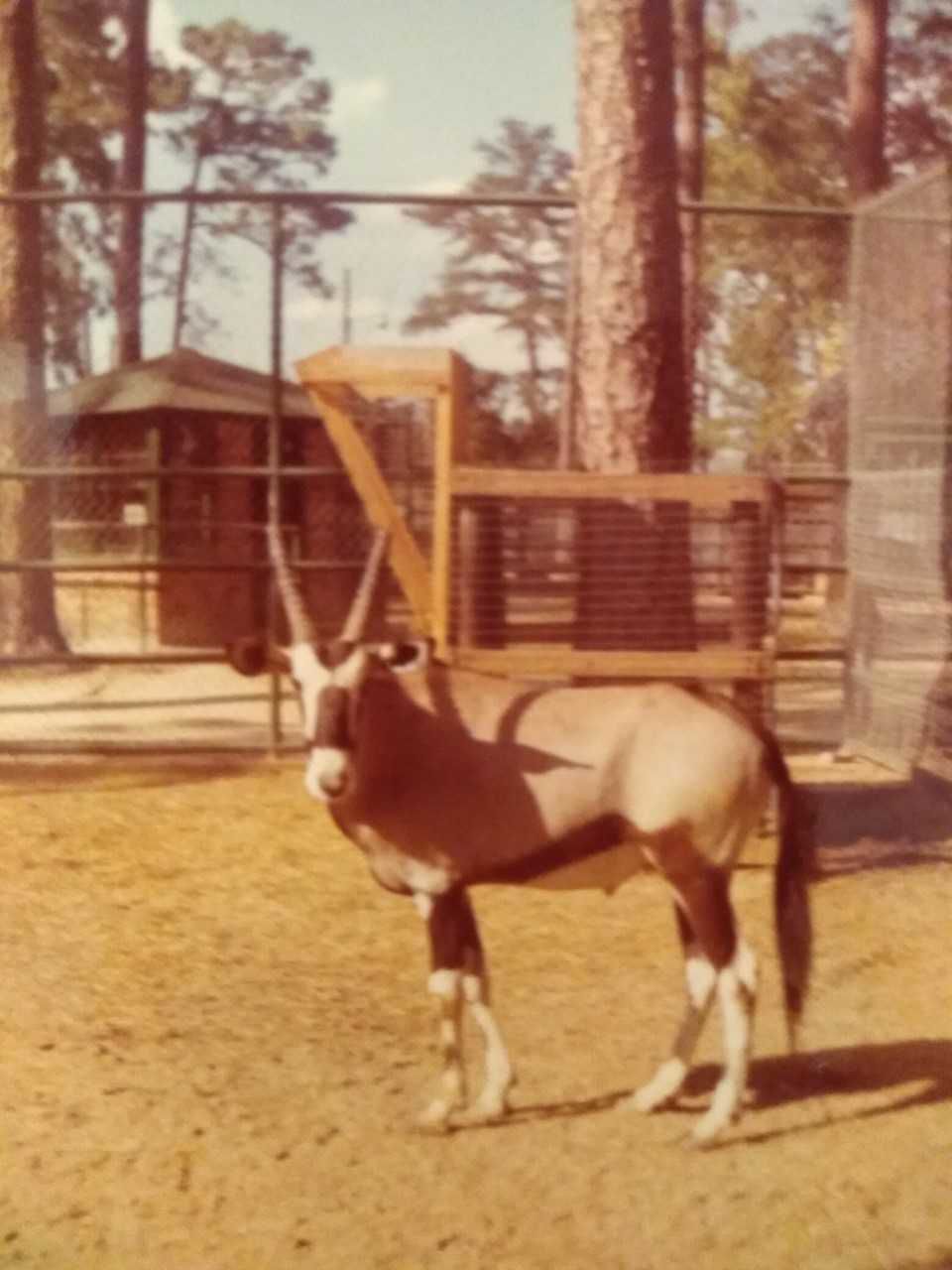
Zoo animal collections in those days were what we might today call “postage stamp” collections. Zoo directors took pride in having one or two of every kind of animal they could get their hands on — with little thought to animal welfare or humane treatment. Most of the animals were kept in pens that were too small but had the benefit of affording the best views for visitors.
Zoos in those days were more like curiosity shows than anything we would be comfortable with today. Those standards would have been evident when, in February 1969, the Albany City Commission approved the transfer of funds from contingency to build what was called “proper housing” for a new attraction at the zoo — a chimpanzee. This may have been the popular cigar-smoking chimp known as Joe, and we would probably be appalled at the size of Joe’s cage.
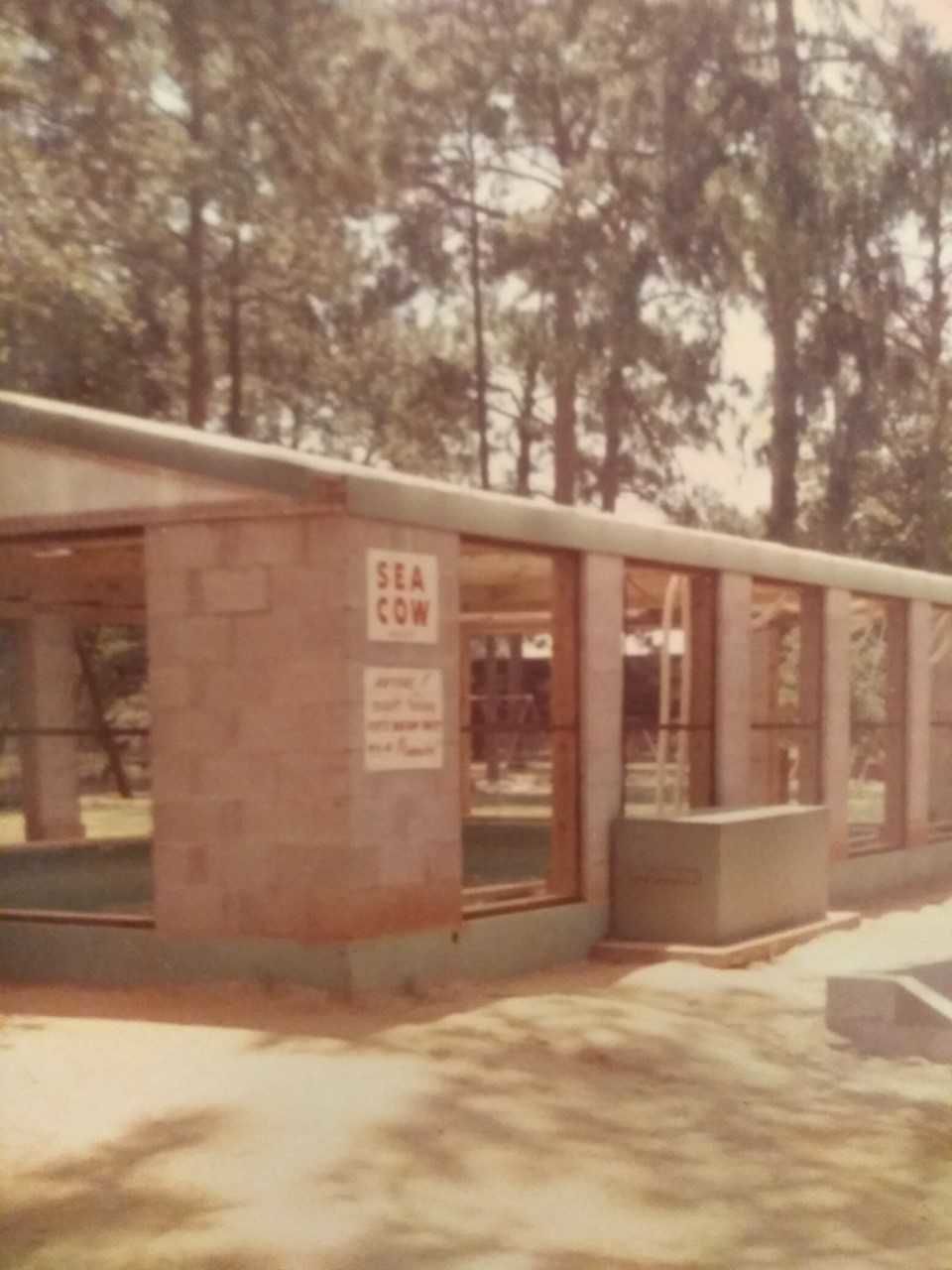
As small as Joe’s cage probably was, at least some thought was given to what might be proper housing. Two years earlier, no one questioned the wisdom of trying to exhibit two half-ton marine mammals in Tift Park. According to City Commission archives, in June 1967 Joe Herlovich presented an offer to purchase two “sea cows” for the zoo. He indicated that Southern Concrete Products would construct a 20-foot by 30-foot pool for public exhibition. The Albany Herald reported that the city agreed to spend up to $4,000 to purchase the creatures from a Florida zoo and quoted the mayor as saying that there were only “three of the rare amphibians in captivity.” (NOTE: Sea cows, or manatees, are marine mammals, not amphibians.)
The city officially changed the name of the zoo to Tift Zoological Park in 1970 because, according to commission meeting minutes, “The zoo now houses many varieties of animals and meets the standards to be known as a zoological park.” The commission also commended the recently hired zoo director, W. T. Hill, for his work at the zoo.
City officials and Albany residents were clearly proud of their zoo. The Tift Park Zoo continued to advance under Hill’s leadership. In May 1972, he was authorized to build a place to breed lions. Hill also requested permission to reorganize the zoo.
This was approved and, in September, the zoo officially separated from the parks department with Hill as zoo director. The city transferred $5,000 from the Parks Department budget and $6,000 from a contingency fund for Hill to hire one man and two helpers and to purchase his own equipment.
But in the midst of all these improvements, the winds of change were blowing through the live oaks and azaleas in Tift Park. In fact, the winds of change were swirling around the business of running zoos nationwide.
I recently re-read an article written for my hometown newspaper, the St. Petersburg Times. It was in their Sunday magazine, and it was called “New Zoos for Everyone, Bar None.” The article explores the place of zoos in modern society.
As I re-read the article, I was struck by its insight because it referred to what it called the uneasiness in human attitudes toward zoos, the constant debate over whether zoos are educational or cruel, and it even explored the need for zoos to shift toward a more science-based perspective.
One of the things that makes this article remarkable is that it was published at the same time that the Tift Park Zoo was being reorganized — in 1972. That long-ago article recognized a new rationale for zoos — public education, scientific study and the preservation of endangered species. Peoples’ attitudes about animals in zoos was changing and the Tift Park Zoo was about to be caught up in those changes.
Related Articles
From cotton to cloud: In the data center debate, is rural Georgia once again being asked to carry the cost?
Across much of rural Georgia, the abandoned cotton warehouses and shrinking tax bases remain — enduring reminders that industries built to serve distant markets do not necessarily stay rooted in the communities that first sustained them.
My Grandpa Was Killed in World War II. I Met Him Through His Letters Home
Gina Wolf’s grandfather died before she was born. His letters sent to her grandmother from Europe during World War II made it possible to know what kind of man he was.

‘Sounds Like a Mutiny.’ Secret Recording Exposes Claims of Toxic Leadership After a Marine’s Suicide
This week’s War Horse story follows the systemic failures before and after the death of Cpl. Drew Mobley who was the third in two years at Marine Corps Base Quantico to die by suicide.
