
Georgia, southeastern states monitor monarchs
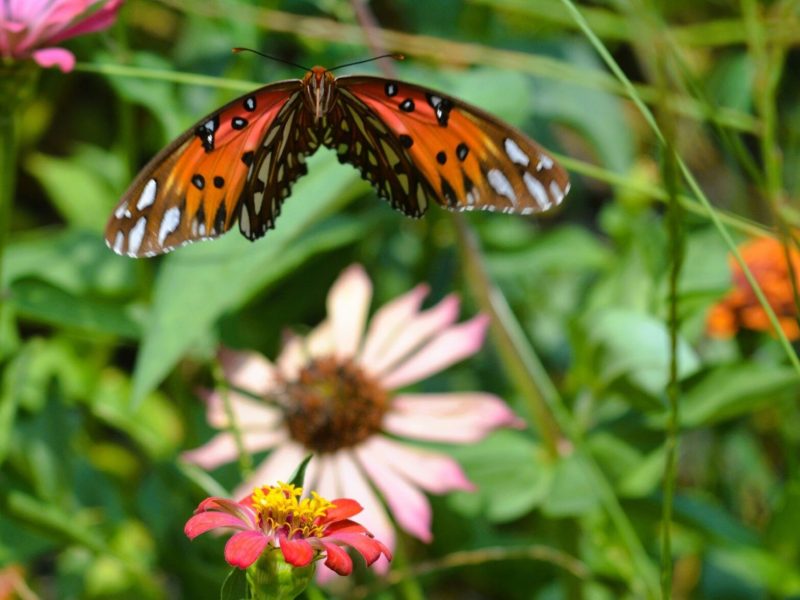
During recent winters, volunteers from the Southeast and Gulf states have provided thousands of observations of Monarch butterflies.
Staff Photo: Tara FletcherStaff Photo: Tara FletcherBy Tom Seegmueller
[email protected]
ALBANY ‒ There’s no denying that most winter outdoor activities in southwest Georgia generally focus on hunting. However, the hunt is not limited to game animals, predators and hogs. During late fall and winter, Georgia is a stopover for a variety of migratory species, including the monarch butterfly.
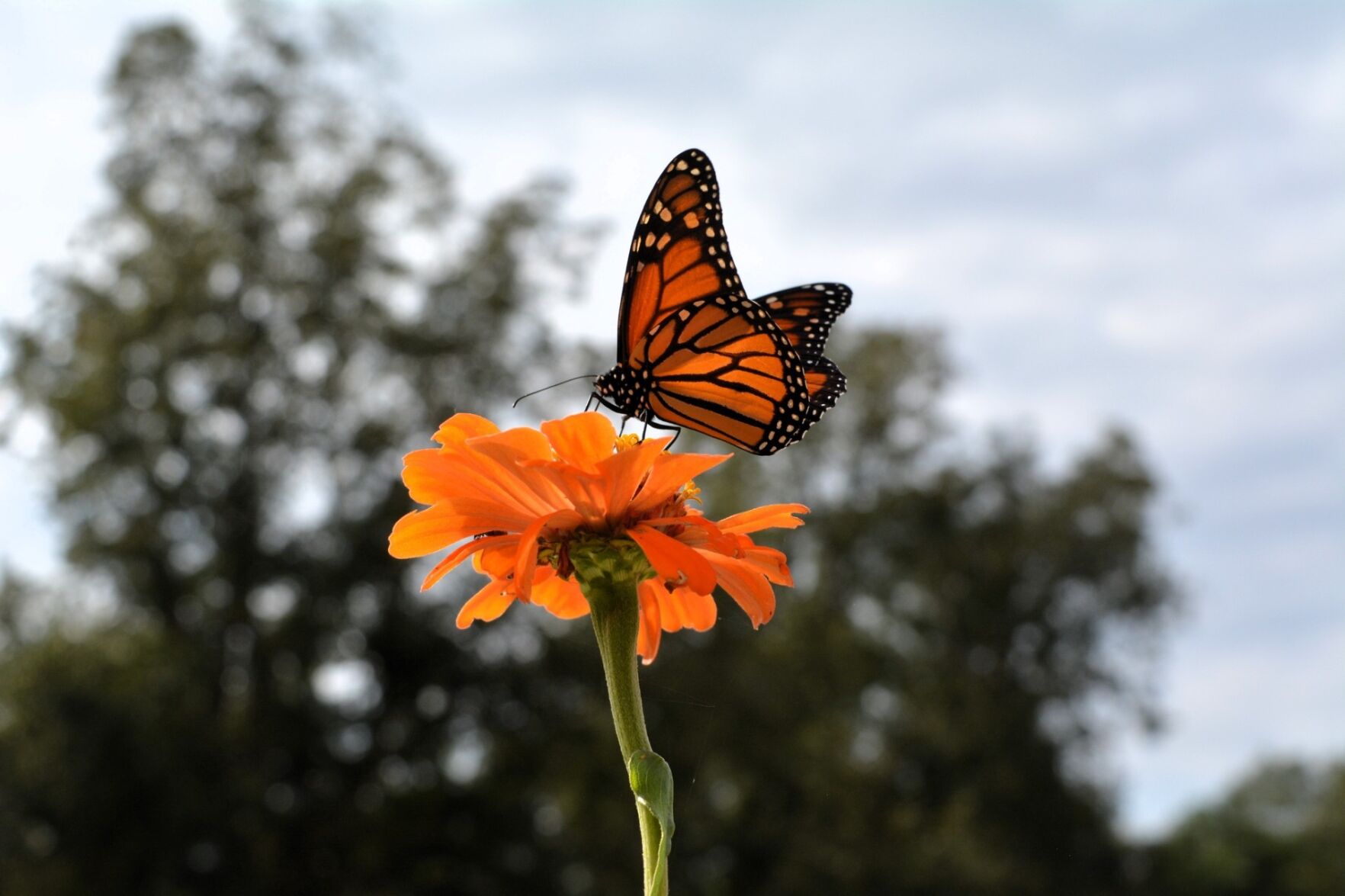
The monarch has vibrant orange wings laced with black and white lines and bordered by white spots that make it one of the most easily recognizable and studied butterflies on earth. The monarch is perhaps best known for the species’ epic annual migrations covering thousands of miles. The eastern North American monarch population is noted for its migratory path from as far away as southern Canada to Florida’s Gulf coast.
During recent winters, volunteers from the Southeast and Gulf states have provided thousands of observations of monarch butterflies. This coming winter, the partnership of universities, agencies and other organizations called monarchs Overwintering in the Southeastern States, or MOVERS, is requesting the public’s continued involvement in reporting sightings.
Sonia Altizer, a University of Georgia ecology professor and director of Project Monarch Health, said the information can help scientists determine if these iconic but declining butterflies “can overwinter as non-breeding adults in the southern U.S. and how this might affect future population numbers.” The monitoring also will help document how winter breeding activity might affect their annual migration to Mexico.
Understanding migration and overwintering behavior is crucial to conserving monarchs, a candidate for listing under the Endangered Species Act.
Thousands of monarchs stream across the South each fall to wintering grounds in central Mexico. In the spring, this eastern population of the butterfly returns to the U.S. and Canada to breed. But not all monarchs migrate to Mexico. Volunteer observations over the past two decades have helped scientists better understand how and why some monarchs breed throughout the winter in the southern U.S. Scattered reports suggest that some monarchs can overwinter in coastal regions in a non-breeding state, similar to their wintering behavior in Mexico.
The goal this winter is to collect more data for a growing partnership that includes organizations such as the Florida Natural Areas Inventory and the North Carolina Natural Heritage Program.
Gabriela Garrison of the North Carolina Wildlife Resources Commission said the monarch is a species of greatest conservation need in North Carolina’s Wildlife Action Plan, as it is in the wildlife action plan for Georgia and many other states.
“Monitoring overwintering populations and learning more about their behavior is critical,” Garrison said.
The public is encouraged to report all monarch sightings — including adults, eggs, larvae and pupae — from November to March in Georgia, the Carolinas, Florida, Alabama, Mississippi, Louisiana and Texas. Observations can be submitted either through the Journey North online data portal or by using iNaturalist.
I went to both sites and personally preferred Journey North because of the ease of operation and opportunity to participate in a variety of specific studies focusing on hummingbirds, monarchs and Bald Eagles. You can enroll in these sites by taking the following steps:
At journeynorth.org/reg:
1. Create a free account.
2. Learn how to report monarch sightings at journeynorth.org/monarchs.
3. November through March, submit monarch observations at journeynorth.org/sightings.
At inaturalist.org:
1. Create a free account.
2. November through March, submit reports of monarch observations using your web browser or phone app.
3. Want season updates? Join the iNaturalist monarch winter project at inaturalist.org/projects/monarch-observations-november-march.
Susan Meyers, a volunteer with Monarchs Across Georgia, emphasized that volunteers are vital to the effort.
“If you enjoy being outdoors and exploring your local ecosystem, this is an easy activity that can be done alone or with friends or your family,” she said.
Project partners are grateful to all who reported sightings last winter, said Anna Yellin, a wildlife biologist with the Georgia Department of Natural Resources.
“When we come together as a community as we have with this effort, we stand a better chance of protecting the monarch butterfly for future generations,” she said.
Author

Related Articles

From cotton to cloud: In the data center debate, is rural Georgia once again being asked to carry the cost?
Across much of rural Georgia, the abandoned cotton warehouses and shrinking tax bases remain — enduring reminders that industries built to serve distant markets do not necessarily stay rooted in the communities that first sustained them.
My Grandpa Was Killed in World War II. I Met Him Through His Letters Home
Gina Wolf’s grandfather died before she was born. His letters sent to her grandmother from Europe during World War II made it possible to know what kind of man he was.

‘Sounds Like a Mutiny.’ Secret Recording Exposes Claims of Toxic Leadership After a Marine’s Suicide
This week’s War Horse story follows the systemic failures before and after the death of Cpl. Drew Mobley who was the third in two years at Marine Corps Base Quantico to die by suicide.
