
UGA researchers unveil the development of a novel quantum computing algorithm
Alan Flurry
A new quantum algorithm developed by University of Georgia statisticians addresses one of the most complex challenges in single-cell analysis, signaling significant impact in both the fields of computational biology and quantum computing.
While traditional approaches struggle to handle the immense amount of data generated from measuring both RNA and protein expression in individual cells, the new quantum algorithm enables analysis of data from a single-cell technology known as CITE-seq. It allows for selection of the most important markers from billions of possible combinations — a task that would be formidable using classical methods.
“The method is particularly promising for applications in disease research, where understanding the molecular identity of individual cells is crucial,” said Ping Ma, UGA Distinguished Research Professor in the Franklin College of Arts and Sciences department of statistics and author of the study detailing the method. “The power of quantum computing—an emerging and complex technology—provides a faster and more efficient way to analyze biological data that can potentially improve our understanding of good health and disease conditions.”
A classical algorithm runs on conventional computers akin to laptops and smartphones, which process information as bits — like on/off switches representing 0s and 1s. These algorithms solve problems by working through a series of steps in a sequential manner, typically one step at a time. This is efficient for many tasks but can be slow when tackling complex problems with many possibilities.
The post UGA researchers unveil the development of a novel quantum computing algorithm appeared first on UGA Today.
Related Articles

Squawkbox – June 13, 2026
The situation at Ashley Riverside is sad but expected…Trump heard “mostly cheers” during his ill-advised visit to the NFL playoffs…

Lee County agricultural land values could rise 83% as new assessments near mailing
During a work session Tuesday, Terry McCormick of McCormick Solutions provided the Lee County Board of Commissioners with an update on the county’s 2026 tax digest and ongoing reappraisal efforts.
Albany Commission eyes another draft at downtown brewery
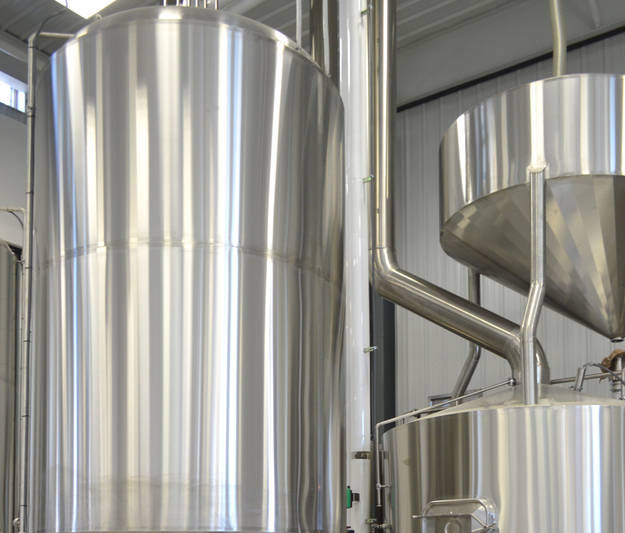
The city of Albany struck out in its first attempt to find an operator for a downtown brewery. The city owns the building and equipment on Pine Avenue and is seeking a Brewer interested in expanding into the Good Life City.

