
Cherry bombs
Cherry tomatoes are back on the menu
By Julia della Croce
Zester Daily
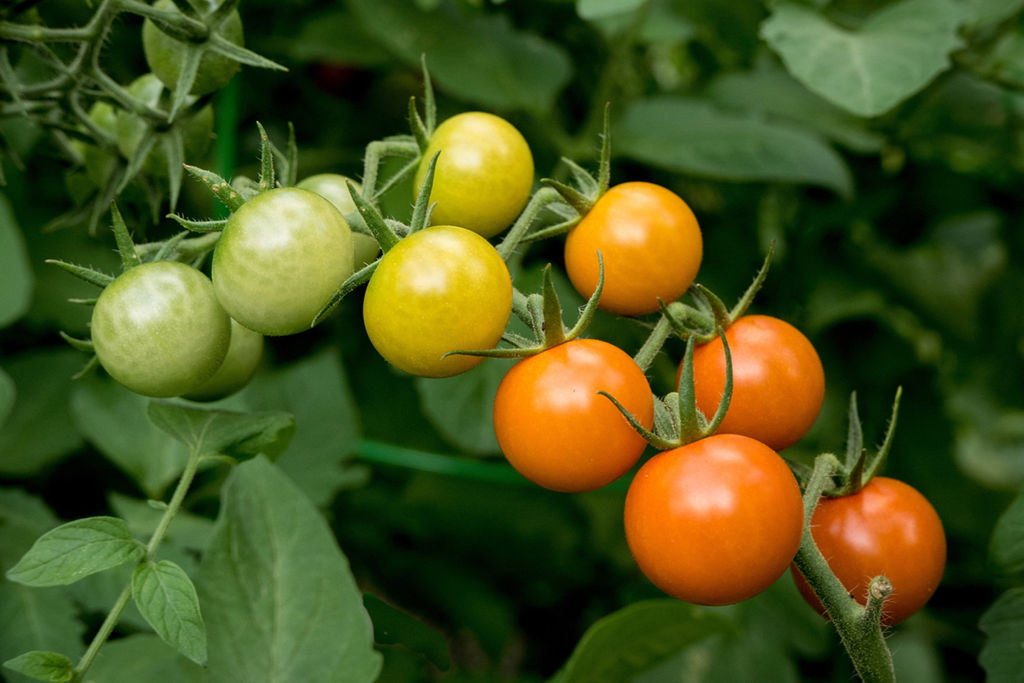
At long last, cherry tomatoes are here, pay dirt for every ghastly love apple we’ve had to eat out of season. Whether Italian heirlooms or American hybrids, Ciliegini or Principe Borghese, Sun Golds or Black Pearls, Sugar Snacks or Honeydrops, these babies are tomato candy. What the best of them have that the Beefsteaks and other big boys of backyard gardens and farmers markets often fail to deliver is the sharp acid sweetness that nature intended for their breed.
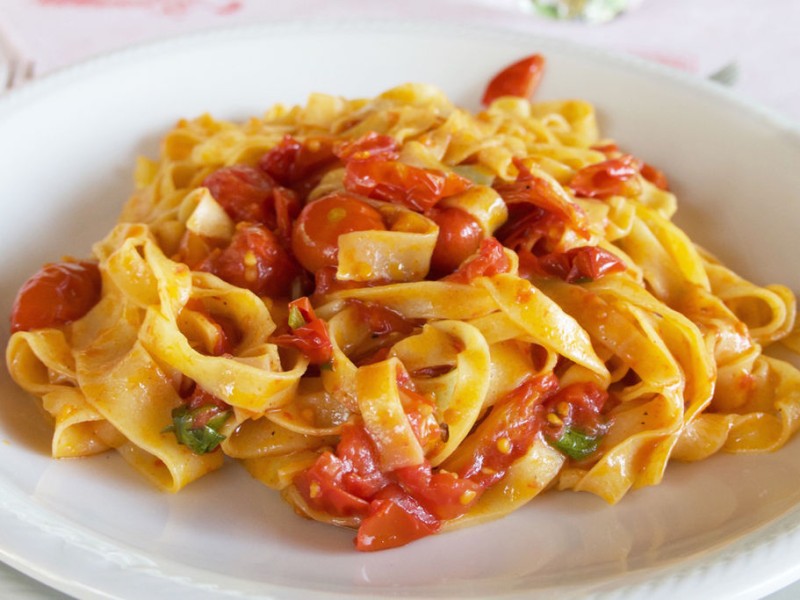
I like to eat them out of hand immediately after plucking from their umbilical vine, still warm and with the faint taste of dirt clinging to their skin. But as any gardener knows, they grow fast and furiously. When August rolls around and they are ripening on their trusses at the rate of Romans taking to the autostrada for their summer holiday, it’s time for one of Italy’s most endearing, and speediest, little sauces: pomodori scoppiati (pummidori scattarisciati in the vernacular of southern Puglia) or “exploded tomatoes.”
Not a classic sauce
The beauty of this homey sauce is that you can cook the tomatoes whole without bothering to peel or cut them first, a custom that originated with poor agricultural workers in the Salento who had little time for preparing food after a long day toiling in the fields. What they did have were their own patches of land where they planted tiny, intensely sweet pomodorini, typically the type called pachino or the dwarf pomodorini appesi al filo (“tomatoes hanging in row”) that grow in compact clusters like grapes. No other cherry tomatoes I know of come close to the startling sweetness of those two Italian varieties, but in season, our North American varieties can be awfully good. My favorite is the Sun Gold, which is rapidly becoming the most popular cherry tomato of all time, according to the Burpee seed people, and has become ubiquitous at local farmstands.
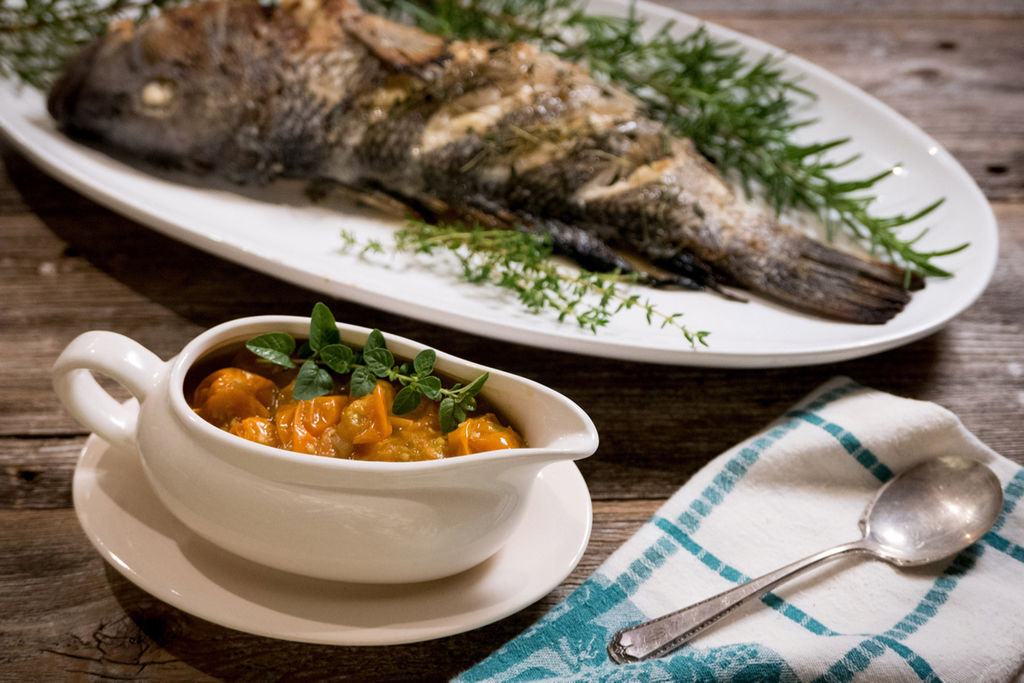
Restaurant chefs will love the following recipe for its sexy name, and home cooks will appreciate that there is barely anything to do save toss the little tomatoes in a pan with onion and good olive oil and an herb or two. The sauce, which the Italians would call a condimento, is made for multiple purposes: to accompany friselle, the hardtack biscuit that the Pugliesi eat dampened and rehydrated; for topping pasta or serving alongside meat or fish; or as a foundation for other dishes. Like the Italians, you ought not worry about the skins and seeds. When I asked the locals if they sieved the sauce to remove them, they laughed.
“Only Americans think tomatoes grow without seeds,” a vegetable seller told me. “In Puglia they leave the skins on because the tomatoes are cooked when they’re very ripe and the skin is thin,” said a friend. “And besides, the skins contains the color and the goodness of the ripe tomato and give lovely body to the sauce.”
Here is the recipe, adapted for the American kitchen.
Related Articles

‘Sounds Like a Mutiny.’ Secret Recording Exposes Claims of Toxic Leadership After a Marine’s Suicide
This week’s War Horse story follows the systemic failures before and after the death of Cpl. Drew Mobley who was the third in two years at Marine Corps Base Quantico to die by suicide.

Southwest Georgia artists recognized at packed opening of exhibition
The annual juried exhibition, one of the region’s largest showcases of visual art, features approximately 46 artists and nearly 90 works spanning painting, sculpture, ceramics, photography and mixed media.
Powerful performances drive Theatre Albany’s ‘The Color Purple’
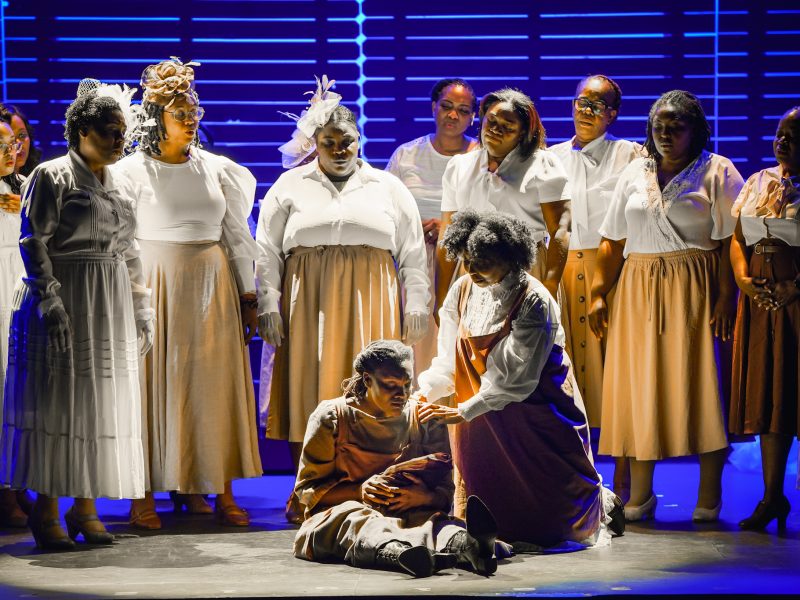
From the street, strands of purple ribbon wind around the white columns of the historic theater, hinting at the story waiting beyond its doors. Inside the foyer, a carefully curated slideshow flickers across a large screen, cycling through the faces of the cast. Some are seasoned performers. Others are stepping onto a stage for the very first time. Teachers stand alongside former students. Parents perform beside their children. People who worship in different churches, work different jobs and come from different corners of Southwest Georgia gather beneath the same lights to tell the same story.
