
CONSUMER QS: How to attact butterflies to your yard
Q&A Column
By Arty Schronce
Georgia Ag Department
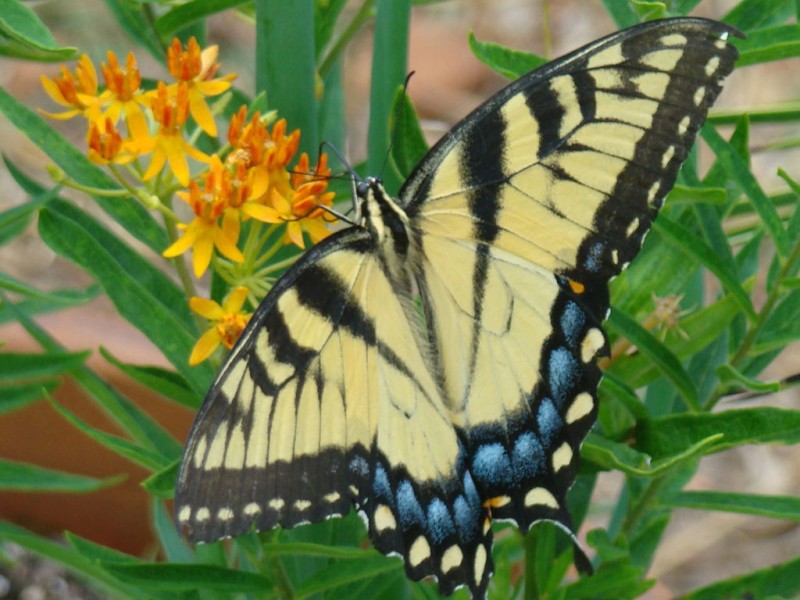
Question: What can I plant to attract our state butterfly, the Eastern tiger swallowtail?
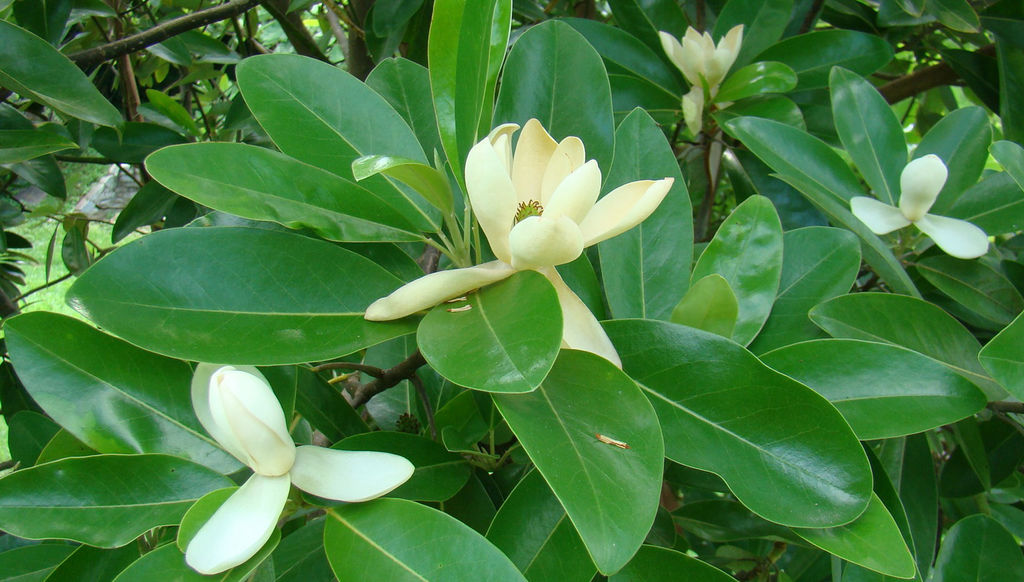
Answer: Plant the things the butterfly needs to lay her eggs on and on which the caterpillars feed. These are called “larval host plants.” Adult butterflies will actively seek these plants because they need them to produce a new generation. These include wild cherry, sweetbay (Magnolia virginiana), basswood/linden, tuliptree (also known as yellow poplar and tulip poplar), birch, ash (Fraxinus spp.), cottonwood and willow. Some of these are too large for small landscapes or unsuitable for some locations. For example, it is not a good idea to plant a wild cherry near where you park your car, and cottonwoods are large trees that can be messy and weak-wooded but can be grown and preserved along flood plains where they naturally thrive.
Also plant lots of “nectar plants.” These are plants with flowers that adult butterflies feed on. The best nectar plants have a large flower head or cluster of flowers that the butterfly can land on and hold to as it goes from individual flower to flower. A gust of wind could blow them off course and it would take a lot of time and energy to get back to feeding, so they like to stay put and feed. Some favorite nectar plants of tiger swallowtails include joe-pye weed, ironweed, garden phlox, thrift (Phlox subulata), butterflyweed (Asclepias tuberosa), azalea, buttonbush, purple coneflower, liatris, abelia, cardinal flower (Lobelia cardinalis) and single-flowered zinnias. Buddleia or butterfly bush can be a nectar source, but it has become invasive in some areas of the country and people fear it will do so here in Georgia. Just because it is called “butterfly bush” does not mean it is the best or only choice for a butterfly garden. There are many other plants that are just as good or better and that you don’t have to worry about becoming an invasive weed.
If you are going to have a butterfly garden, remember that every caterpillar is not your enemy. Learn to tolerate a few chewed leaves. Refrain from using insecticides. They won’t just kill insect pests; they kill the pretty butterflies you want to attract, too.
Encourage your neighbors to include tiger swallowtail favorites in their landscapes as well. You will be more successful if everyone works together to attract and protect this beautiful symbol of our state.
Q: When is blueberry season in Georgia?
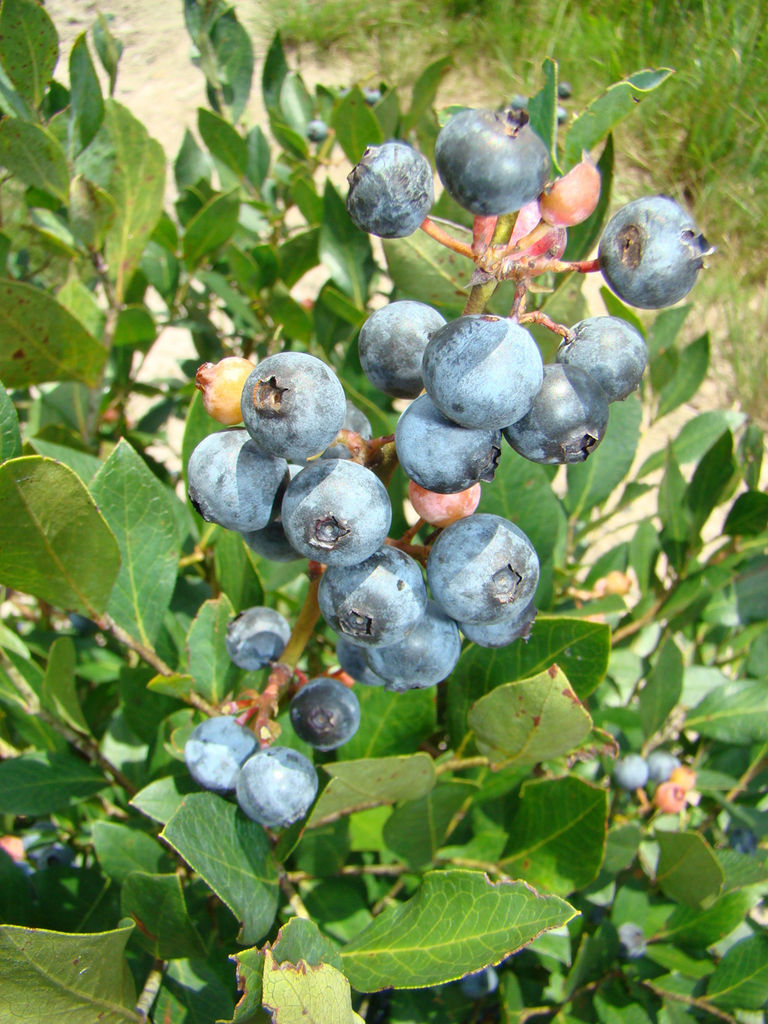
A: Georgia’s blueberry season usually runs from mid-May to mid-August. Look for Georgia blueberries in grocery stores and farmers markets. Some farms may sell on-site or as pick-your-own operations. You can freeze them while they are in season for use later.
Q: When should I stake my tomatoes? What about beans?
A: Stake tomatoes as soon as possible after planting. Also put up trellises for runner beans right after sowing the seeds.
Q: My picnic cooler was used to transport raw hamburger meat. How can I make sure it is clean and sanitized before using it for prepared food?
A: Wash the cooler with soap and warm, clean water. Rinse with clean water and then sanitize with a mixture of one teaspoon of bleach per one gallon of clean water. If the cooler has a drain hole and plug, make sure these are cleaned and sanitized as well. Allow the cooler to air dry.
Q: Sparrow-like birds are eating seeds off my rosemary bush. One is grayish brown with light streaks on its breast and the other is grayish brown, too, but with a cranberry-rose cast to its head and breast. Do you know what they are? I have never seen birds eat rosemary seeds before.
A: It sounds like a pair of house finches. The male house finch is the one with the colorful plumage. Some people mistakenly call these “purple finches,” but the purple finch is a different species and does not breed in Georgia.
We do not know of other wild birds that eat rosemary seeds, but we have read an account from Texas of goldfinches eating them.
Q: Can we grow pomegranates in Georgia?
A: Yes. With its mentions in the Old Testament and Greek mythology as well as Shakespeare and other works of literature, you would think pomegranates would be part of the landscaping of churches and high schools wherever the plant is hardy. That would be almost everywhere in Georgia except the coldest parts of the mountains.
Generally, pomegranates are grown here primarily for the ornamental qualities of their flowers and fruit rather than for the eating quality of the fruit. However, university researchers are testing varieties and looking for ways this fascinating fruit could become a commercial crop in the future.
Most pomegranate flowers and their waxy buds are vermillion to brilliant scarlet. There are double and single varieties. Toyosho is a double-flowered variety with peach-colored blooms. Pomegranates are large shrubs. There are dwarf varieties that will fit into almost any landscape and can even be grown as bonsai.
Q: Is million bells a good flower for containers?
A: Calibrachoa (pronounced cal-ih-bruh-CO-uh), sometimes called “million bells,” produces copious bell-like flowers that look like mini petunias. Calibrachoa prefers full sun and is good for pots and hanging baskets as well as borders. It is available in many colors including violet, purple, red, orange, yellow and white.
If you have questions about services or products regulated by the Georgia Department of Agriculture, write Arty Schronce ([email protected]) or visit the department’s website at www.agr.georgia.gov.
Related Articles

‘Sounds Like a Mutiny.’ Secret Recording Exposes Claims of Toxic Leadership After a Marine’s Suicide
This week’s War Horse story follows the systemic failures before and after the death of Cpl. Drew Mobley who was the third in two years at Marine Corps Base Quantico to die by suicide.

Southwest Georgia artists recognized at packed opening of exhibition
The annual juried exhibition, one of the region’s largest showcases of visual art, features approximately 46 artists and nearly 90 works spanning painting, sculpture, ceramics, photography and mixed media.
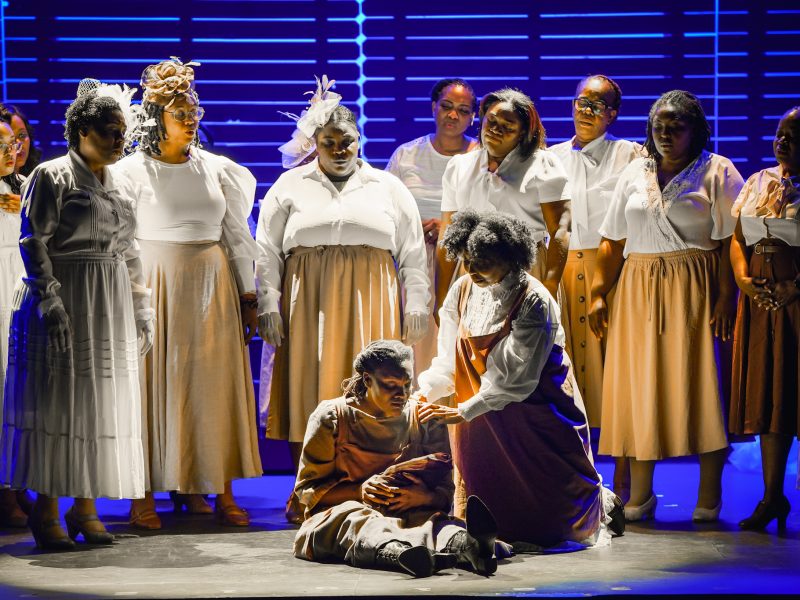
Powerful performances drive Theatre Albany’s ‘The Color Purple’
From the street, strands of purple ribbon wind around the white columns of the historic theater, hinting at the story waiting beyond its doors. Inside the foyer, a carefully curated slideshow flickers across a large screen, cycling through the faces of the cast. Some are seasoned performers. Others are stepping onto a stage for the very first time. Teachers stand alongside former students. Parents perform beside their children. People who worship in different churches, work different jobs and come from different corners of Southwest Georgia gather beneath the same lights to tell the same story.
