
Symbols of the Easter Season
Symbols are reminders of events surrounding the death and resurrection of Christ
File Photo
By Jim Hendricks
ALBANY — This week is the most important of the year for those who practice Christianity, an eight-day period starting with Palm Sunday that will culminate with Easter Sunday.
It’s a week in which Christians focus on the events that led up to the crucifixion of Jesus, known as Good Friday, and his resurrection on Sunday, Easter, when the Bible says his tomb was found empty.
Churches in Southwest Georgia and elsewhere have special services this week, beginning with this past Sunday, which recalls the events of Jesus triumphantly entering Jerusalem before his death. Downtown churches in Albany, for instance, are joining together at Friendship Baptist Church at Pine Avenue and Jefferson Street to conduct daily noontime Holy Week services focused on Christ’s last words from the cross.
Many churches also will have special services on Thursday — Maundy Thursday or Holy Thursday, which focuses on the last supper and may include a hand- or foot-washing ceremony; Friday — Good Friday, the day of Christ’s crucifixion; Saturday — evening and midnight vigils; and, finally, Sunday, which celebrates Christ’s resurrection following the season of Lent, a somber 40-day period of reflection.
Over the centuries, Easter has symbolism that has come to be associated with it. Here is a look at some of those symbols and how they came to be associated with the day.
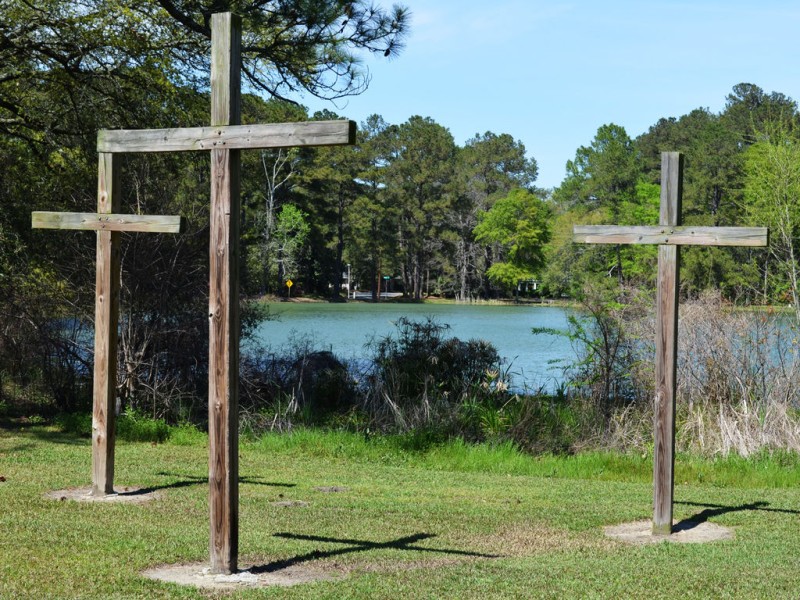
The cross is a powerful symbol. Crucifixion, which was used to kill Jesus, was excruciatingly painful as the individual being killed struggled to breathe. While crosses and crucifixes, which include a representation of Jesus’s body hanging from the cross, are seen throughout the year at most churches and in many homes, the symbolism often is increased at Easter with the draping of a purple cloth on a cross in reference to Christ’s royalty as the son of God.
In many cases, such as the crosses that can be seen in Albany at the intersection of Third Avenue and Dawson Road across from Central Baptist Church, a cross is placed with two smaller crosses to either side, representing the thieves who were crucified with Jesus.
Of great importance to Christians is the Last Supper or Communion meal that is observed at other times as well as at Easter. A wafer is used to symbolize Christ’s body and, depending on the denomination, grape juice or wine is used to symbolize his blood.
Palm leaves are used during Holy Week on the Sunday preceding Easter. Many churches incorporated leaves into their services this past Sunday, representing the palm leaves that were laid in Jesus’s path when he made his last entrance into Jerusalem. In some services, congregations meet outside their church building and walk in together, holding palm leaves.
As with the Advent Wreath and, at one time, Christmas trees, candles have a place in many Easter eve vigil services, representing hope for the return of the “Light of the World.” Some churches that use candles in their services extinguish them on Good Friday, representing Christ’s death.
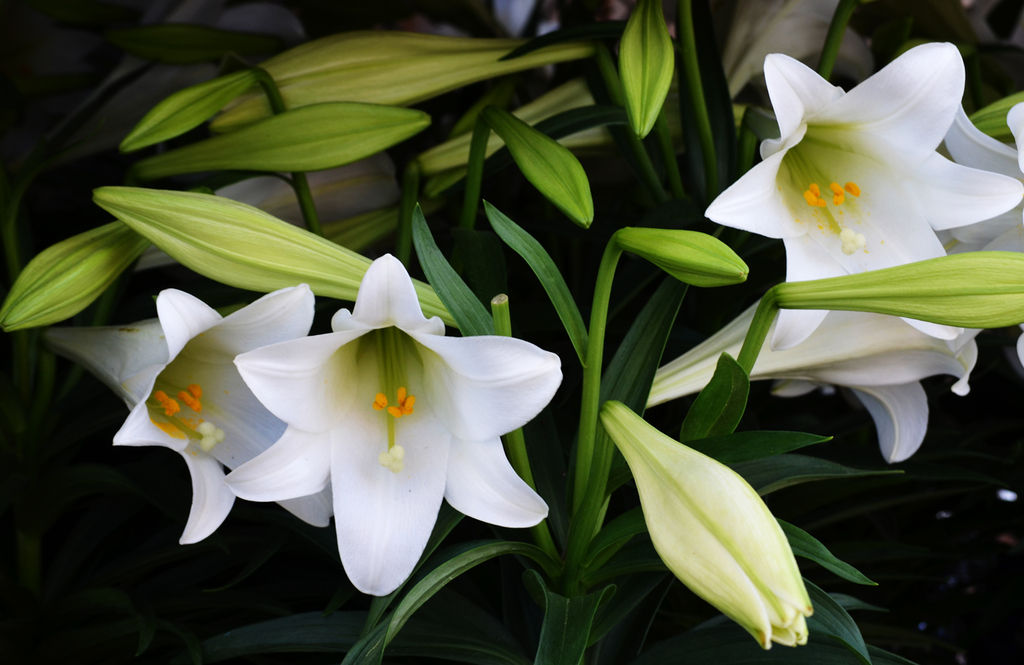
Easter lilies are quite common sightings this time of year. While the plant known as the Easter lily was not present in the Middle East (garden columnist Eddie Seagle notes they are native to the Ryukyu Islands between Japan and Taiwan), it has come to symbolize purity. As with poinsettias, which are native to Mexico, at Christmas, lilies can be seen in many homes and churches at Easter.
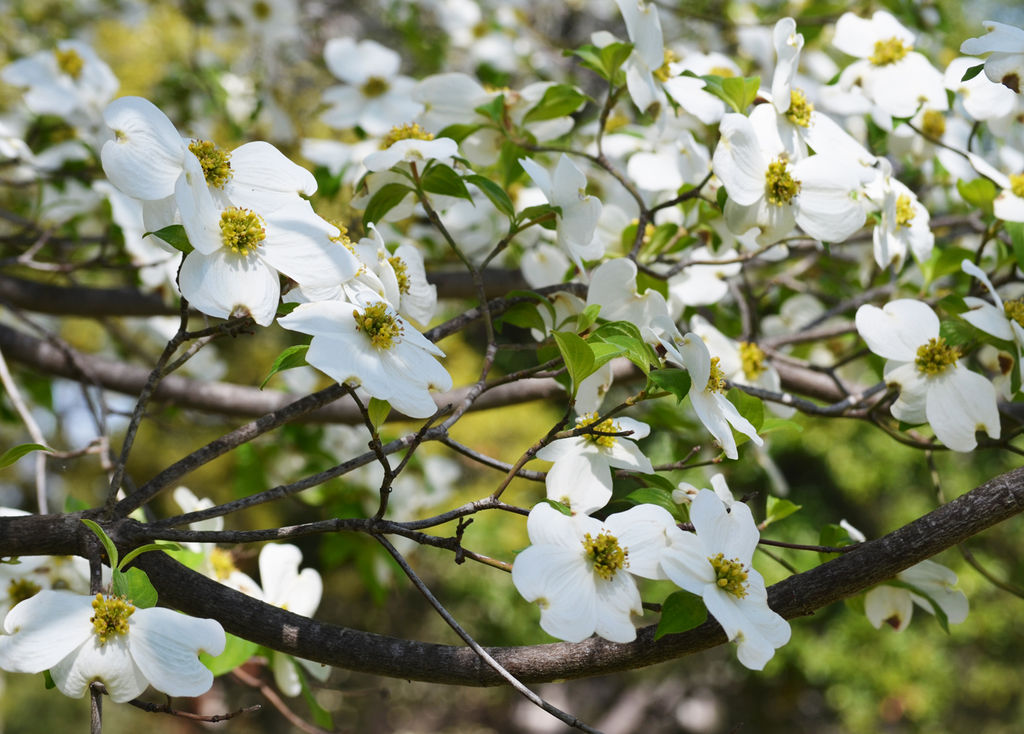
Similarly, the dogwood tree has gained some association with Easter, including through a folk tale that the dogwood was once a bigger, sturdier tree used for construction of the cross and was “cursed.” Most likely, it gained an Easter association because of its bloom, which occurs around Easter.
Tiny flowers at the center of four white bracts represent the crown of thorns that were placed on Christ’s head. The white bracts form a cross of purity, with a reddish-brown spot centered at the end of each one, representing blood.
While commercialism at Christmas has been decried for decades, Easter has long been more religion-focused. Still, Easter has taken on some associations that have nothing to do with the death-and-resurrection story.
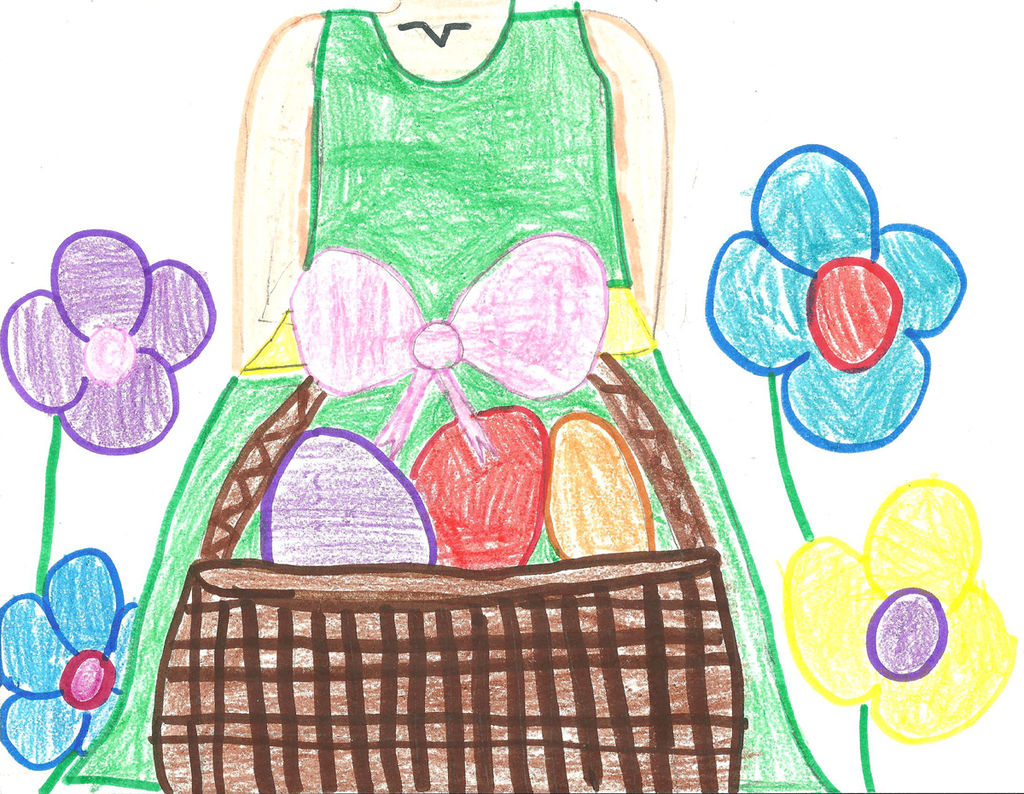
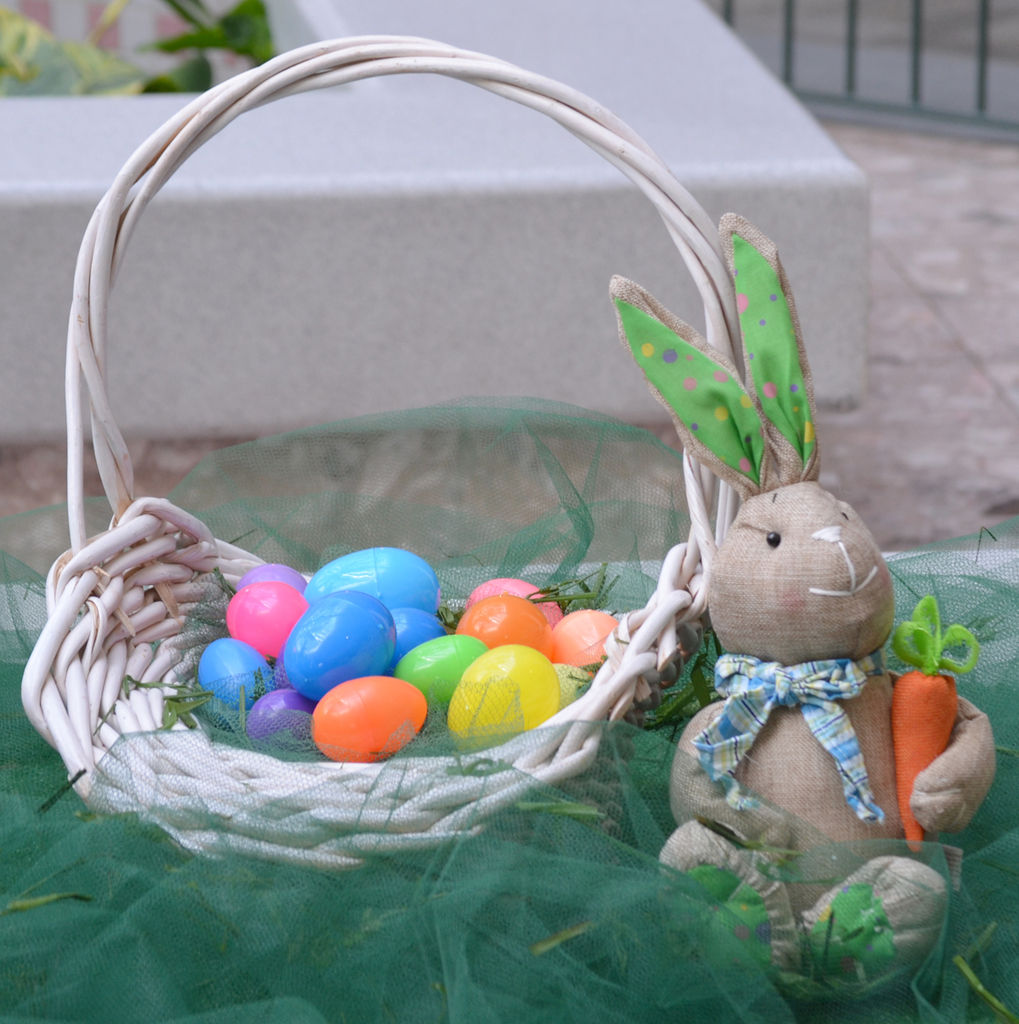
Take, for instance, the Easter egg. Many remember dying hard-boiled eggs as a child, with grownups hiding them for an egg hunt on Easter, though in recent decades hard-boiled eggs have been replaced with colorful plastic ones containing candy or small prizes.
Eggs have long been associated with spring and renewal of life, which is likely the reason why it developed into an Easter tradition.
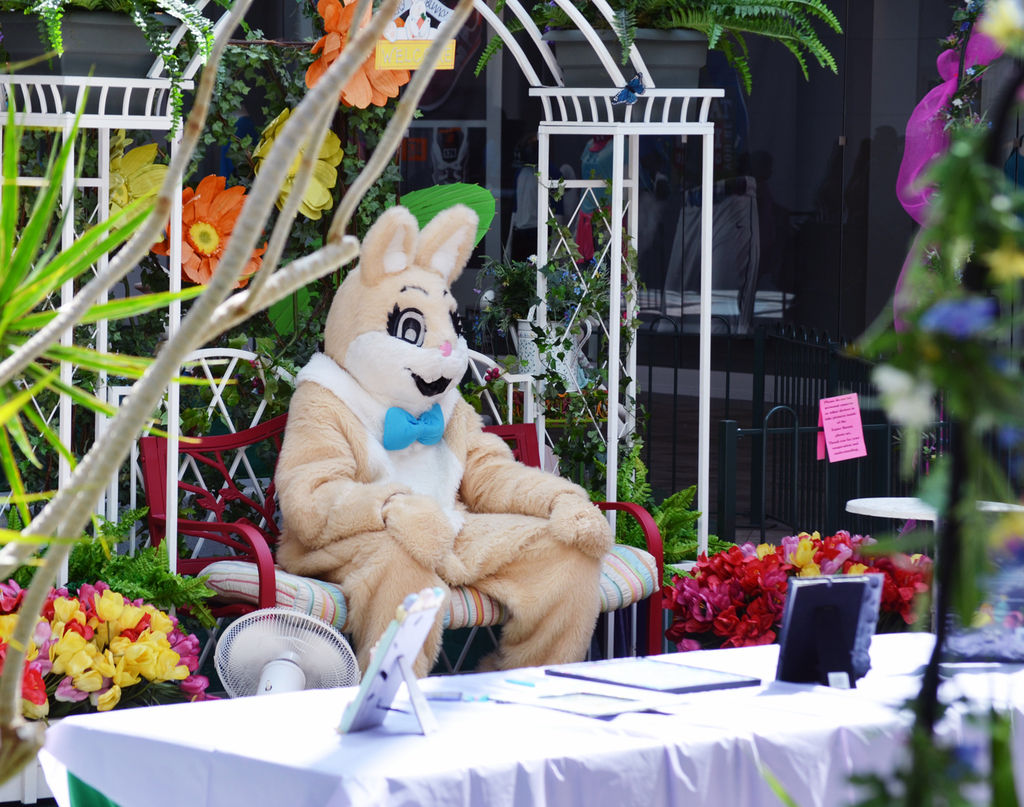
Likewise, the rabbit, has come to be associated with Easter, likely for a similar reason. Rabbits have long been associated with fertility and spring.
In recent decades, the rabbit — Easter Bunny — has seen its role get bigger in Easter celebrations. For many households, Easter baskets filled with goodies are brought in the middle of the night by a big Easter Bunny.
In fact, in recent years, the Easter Bunny has taken on some Santa-like qualities as a springtime gift-giver. In many stores and mall, including the Albany Mall, the Easter Bunny sets up a station these days to visit with young children and hear their requests for Easter gifts.

Related Articles

WAYNE FOWLER: Do you have the courage to showcase your faith?
A pair of college football stars put their faith on display.
Tuesday Bible Verse
Tuesday Bible Verse

CREEDE HINSHAW: In measuring the awe of God, silence is golden
Church can be a noisy place.
