
GAIL DRAKE: Nurses — yesterday and today — show valor during pandemic
By Gail Drake
[email protected]
“I was thirsty and you gave me to drink … I was sick and you visited me.”
– Matthew 25:36
A virulent virus swept across Europe and Asia, eventually infecting 500 million people and killing 50 million. It’s the plot to popular Sci-fi movie “Contagion” — as well as real-world events 102 years ago.
During “The Great War” (World War I), the worst influenza outbreak in history left disease and death in its wake with the so-called Spanish Flu. (Which did not actually start in Spain. A neutral country during the war, Spain did not censor its health reports and was the first to publish about the epidemic.) More soldiers died from influenza than were killed in combat. So why is this worldwide pandemic barely mentioned in our history books?
As soldiers came home in late summer 1918, a second wave of the flu hit port cities on both sides of the Atlantic. Doctors quickly noticed that this strain was different from seasonal flu, causing tremendous stress on the body and spiking a high death rate among 20- to 40-year-olds. Patients would be well in the morning, fall ill by afternoon with extreme symptoms, turn blue and have trouble breathing, and be dead by the next morning. In the U.S., 25 million were infected and 675,000 died from the disease. Schools, theaters, businesses all closed, citizens were quarantined and required to wear masks in public. A flash from the past?
Philadelphia was a hot spot for the disease, where eventually 12,000 died. Every hospital bed in 31 hospitals was filled, the city morgue crammed hundreds of bodies into small spaces. Doctors were overwhelmed with no vaccines, no medicines and no knowledge of this novel virus.
The only known treatment was home-based nursing care of fluids, foods, clean linens and fresh air. And since many of America’s best-trained nurses were treating soldiers in Europe, the burden to care for low-income patients fell on private relief organizations such as the Visiting Nurse Society of Philadelphia. These visiting nurses were the foot soldiers in the pandemic.
On average, VNSoP nurses would see 20-30 cases a day with multiple patients each case. At the peak of the outbreak, there were 200 new cases a day. Nurses would enter a home not knowing how many were ill, the condition of the patient or the home. In 1919 the society recorded 134,761 visits. Even the street was dangerous – one nurse was kidnapped from her taxi and compelled to care for a patient. From the Society journals:
In a crib beside the mother’s bed was a 6-week-old baby who had not been bathed in four days and was wet and cold. Though the father had influenza and was running a temperature of 103 degrees, (he) had to get out of bed from time to time to care for his wife and children, the only other attention they received being from the 10-year-old girl. The house was cold, as the family had no coal, and the three well children were shivering and hungry. The nurse gave care to the sick and bathed and fed the baby. She made a wood fire in the stove and prepared food for the other children. She then found a kind neighbor to continue to look after the children and make them comfortable.
These nurses took charge of the daily care of flu sufferers, the hour-by-hour dangerous drudgery of hygiene, hydration, nutrition and medication therapy. It was a labor of love and duty that yielded pride in their profession. One nurse wrote: “It was a most horrible and yet most beautiful experience. … The nurses rendered as noble service as any soldiers in battle.”
Nurses were the unsung heroes during the pandemic of 1918, and they are again the unsung heroes of today. Then, as now, they served on the front lines, which is probably the reason these historic pandemics were forgotten. They sought their patients’ welfare and not their own recognition, quietly doing their duty without fanfare. Nurses faced illness and death and risked their own safety to care for others.
Then as now, nurses are our valorous foot soldiers. From our family to you: Thank you.
Related Articles
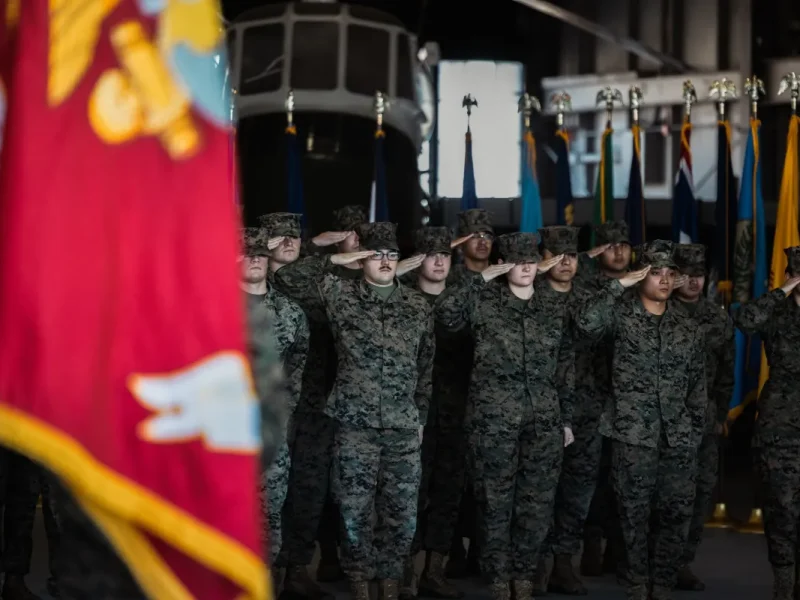
‘Sounds Like a Mutiny.’ Secret Recording Exposes Claims of Toxic Leadership After a Marine’s Suicide
This week’s War Horse story follows the systemic failures before and after the death of Cpl. Drew Mobley who was the third in two years at Marine Corps Base Quantico to die by suicide.

Southwest Georgia artists recognized at packed opening of exhibition
The annual juried exhibition, one of the region’s largest showcases of visual art, features approximately 46 artists and nearly 90 works spanning painting, sculpture, ceramics, photography and mixed media.
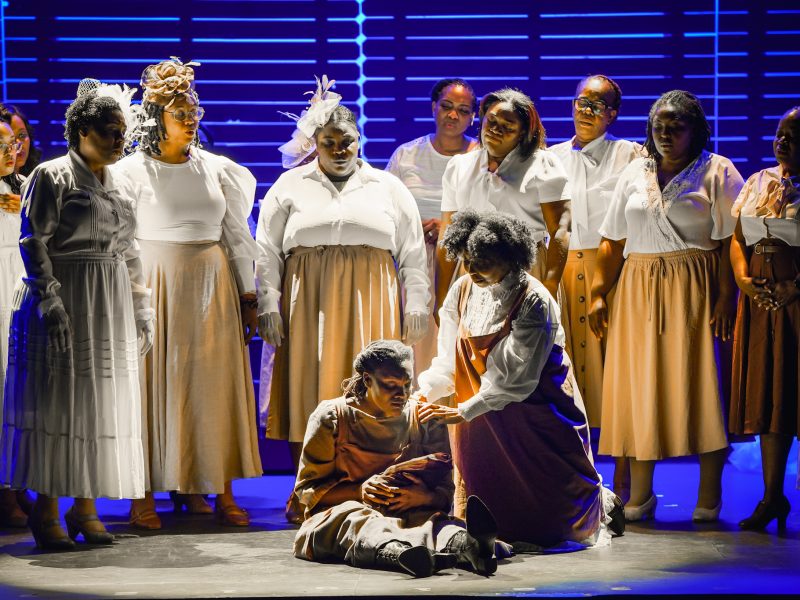
Powerful performances drive Theatre Albany’s ‘The Color Purple’
From the street, strands of purple ribbon wind around the white columns of the historic theater, hinting at the story waiting beyond its doors. Inside the foyer, a carefully curated slideshow flickers across a large screen, cycling through the faces of the cast. Some are seasoned performers. Others are stepping onto a stage for the very first time. Teachers stand alongside former students. Parents perform beside their children. People who worship in different churches, work different jobs and come from different corners of Southwest Georgia gather beneath the same lights to tell the same story.
