
Georgia DNR: Leave young wildlife in the wild
A young animal may appear to be orphaned, but its parents likely are nearby
From Staff Reports
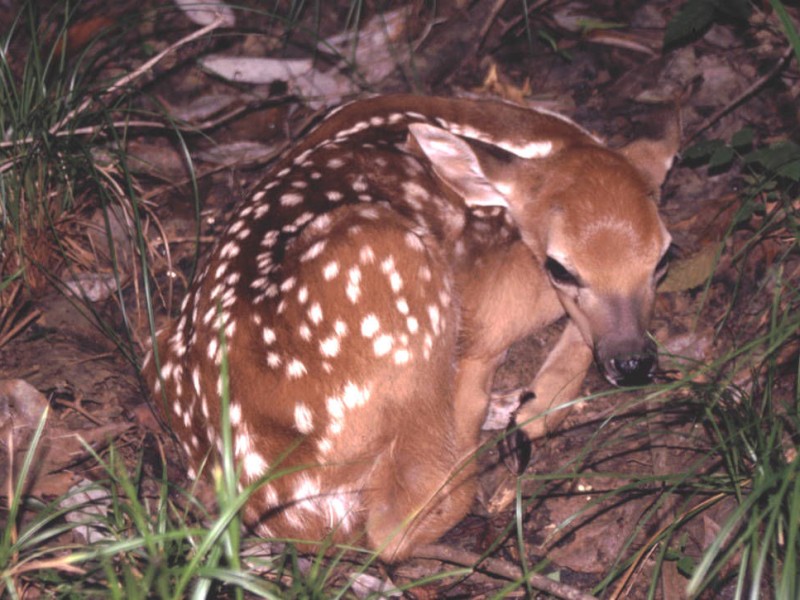
SOCIAL CIRCLE — Springtime is when many wildlife species native to Georgia bear their young, which means it also is a period when people are more likely to come upon young animals, some that appear to have been orphaned.
When that happens, Georgia wildlife officials say, resist the temptation to “rescue” the animal. And the last place a young wild animal needs to be taken is to a person’s home.
“When you take wildlife into your home, you often take away that animal’s ability to then survive in the wild, where they belong,” John Bowers, chief of game management for the Georgia Department of Natural Resources Wildlife Resources Division, said.
“In most instances, there is an adult animal a short distance away – even though you may not be able to see them,” Bowers said. “Adult animals, such as deer, spend most of the day away from their young to reduce the risk of a predator finding the young animal.”
The best thing a person can do when he or she sees any young wild animal is to leave it alone, exactly as it was found, DNR officials said. The situation becomes complicated and sometimes can pose danger to the animal, people or both when an animal is moved or taken into a home.
It is illegal in Georgia for most wildlife to be in a person’s possession without a permit. If the animal is seriously injured or clearly orphaned, wildlife officials say a licensed wildlife rehabilitator should be contacted. A list of licensed rehabilitators is available online at www.gadnrle.org by selecting “Special Permits” on the home page and scrolling down to “Wildlife Rehabilitation.”
DNR officials say bringing a wild animal into the home poses health risks for both people and domestic pets. Healthy-looking wildlife still can transmit life-threatening diseases, such as rabies, and can carry parasites such as roundworms, lice, fleas and ticks, the latter of which can transmit diseases such as Rocky Mountain Spotted Fever and Southern Tick Associated Rash Illness to people.
The threat of rabies should not be taken lightly when an oddly behaving wild animal is seen. A person who encounters an animal such as a bat, fox, skunk, raccoon, coyote or bobcat that appears to show no fear of humans or dogs, or that seems to behave in a sick or abnormal manner — weaving and drooling, for instance — should immediately contact the nearest county health department or Wildlife Resources Division.
In addition to rabies, the animal may have distemper or another disease. There should be no attempt to feed or handle such an animal, and pets, livestock and humans should be kept away from the area where it was spotted.
DNR officials say the two most important steps for protection are to make sure pets are vaccinated to avoid physical contact with wildlife. A video about this topic is available at www.youtube.com/GeorgiaWildlife by clicking on “Videos” and finding the “Orphaned Wildlife in Georgia.”
For more information, contact a local Wildlife Resources Division office (www.georgiawildlife.com/about/contact) or call (770) 918-6416.
Related Articles

‘Sounds Like a Mutiny.’ Secret Recording Exposes Claims of Toxic Leadership After a Marine’s Suicide
This week’s War Horse story follows the systemic failures before and after the death of Cpl. Drew Mobley who was the third in two years at Marine Corps Base Quantico to die by suicide.
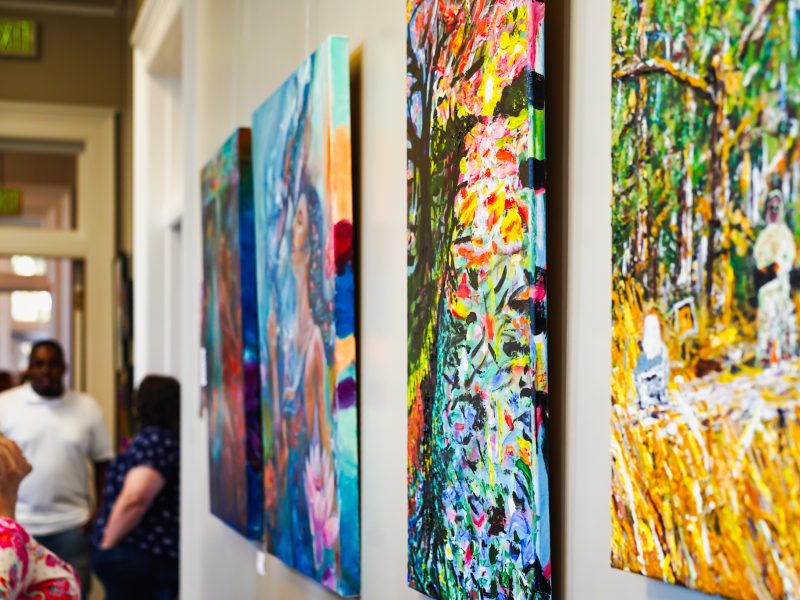
Southwest Georgia artists recognized at packed opening of exhibition
The annual juried exhibition, one of the region’s largest showcases of visual art, features approximately 46 artists and nearly 90 works spanning painting, sculpture, ceramics, photography and mixed media.
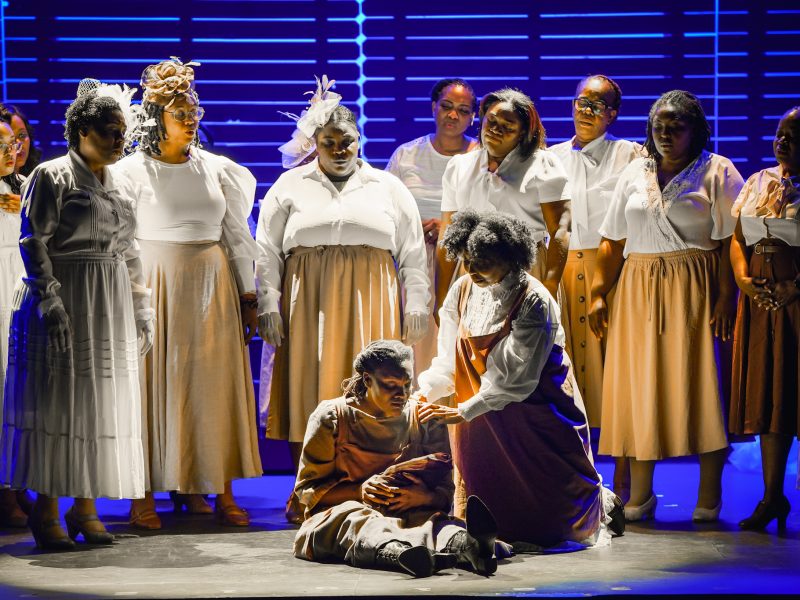
Powerful performances drive Theatre Albany’s ‘The Color Purple’
From the street, strands of purple ribbon wind around the white columns of the historic theater, hinting at the story waiting beyond its doors. Inside the foyer, a carefully curated slideshow flickers across a large screen, cycling through the faces of the cast. Some are seasoned performers. Others are stepping onto a stage for the very first time. Teachers stand alongside former students. Parents perform beside their children. People who worship in different churches, work different jobs and come from different corners of Southwest Georgia gather beneath the same lights to tell the same story.
