
Georgia state parks now offering annual passes online
Passes allow unlimited access to historic sites in Georgia
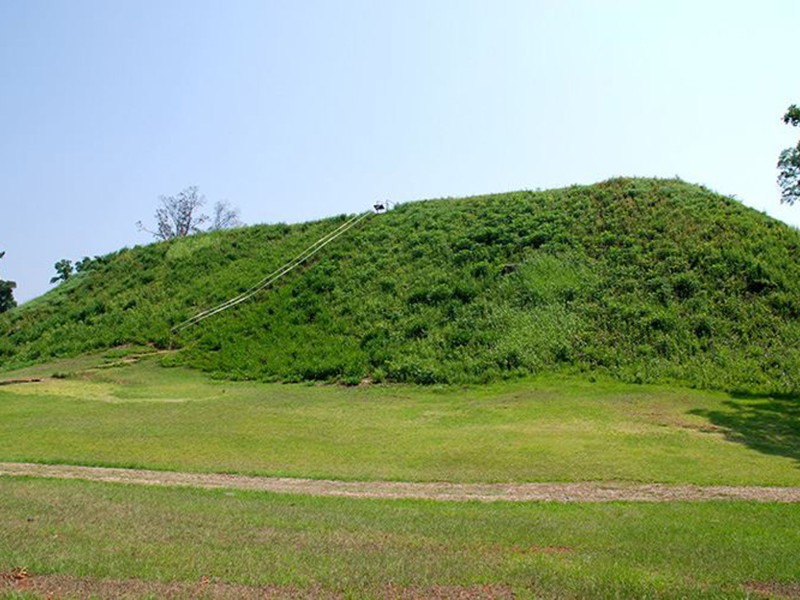
Special Photo: Georgia DNR
From Staff Reports
ATLANTA – History buffs will head for the internet with the announcement of the latest Georgia State Parks & Historic Sites perk. New for 2019, State Parks & Historic Sites have added online sales of annual passes. This new addition allows guests unlimited access to more than a dozen state historic sites and museums, making it easier for those interested in Georgia’s rich history to explore year-round. The money-saving passes are especially useful to geocachers following the park system’s new History Trail GeoTour.
Passes may be purchased online or at the sites for $50 family, $30 adult, $25 youth. Days of operation vary, so be sure to check GaStateParks.org before planning the next family venture and visit GaStateParks.org/ThingsToKnow to purchase a pass ahead of time. Below is a list of participating sites, each with a different story to tell.
A.H. Stephens State Park, Crawfordville: Named for the vice president of the Confederacy and governor of Georgia, A.H. Stephens State Park features a Confederate museum with one of the finest collections of Civil War artifacts in Georgia. Stephens’ home, Liberty Hall, is renovated to its 1875 style, fully furnished and open for tours. Go to GaStateParks.org/AHStephens.
Camp Lawton Museum at Magnolia Springs State Park, Millen: During the Civil War, this site was called Camp Lawton and served as “the world’s largest prison.” Today, little remains of the prison stockade; however, the earthen breastworks which guarded it may still be seen, as well as a small museum. Go to GaStateParks.org/MagnoliaSprings.
Chief Vann House State Historic Site, Chatsworth: Built by Cherokee Indian leader James Vann in 1804, the 137-acre plantation allows guests to experience guided house tours, a half-mile of winding nature trails, a 19th-Century Cherokee farmstead and a visitor center illustrating the impact the Vann family had on the Cherokee Nation. Go to GaStateParks.org/ChiefVannHouse.
Etowah Indian Mounds State Historic Site, Cartersville: Home to several thousand Native Americans between 1000-1500 A.D., this site is located less than an hour north of Atlanta. The Etowah Indian Mounds State Historic Site contains six large earthen mounds, a plaza, village sites, borrow pits and a defensive ditch laid out over 54-acres of historic land. Go to GaStateParks.org/EtowahIndianMounds.
Fort King George State Historic Site, Darien: The fort was built in 1721 and served as the southern outpost for the British Empire. The settlement transitioned into a booming lumber export center for the colonial empire on the shores of the Altamaha River until 1925. Since then, it has been reconstructed using old records and drawings.Go to GaStateParks.org/FortKingGeorge.
Fort McAllister State Park, Richmond Hill: This is the site where Gen. Sherman ended his “March to the Sea.” Today, visitors can enrich themselves in the fort’s fascinating history at the Civil War museum, which boasts several impressive artifacts as well as cannons, a hot shot furnace, bombproof barracks, palisades and more. Go to GaStateParks.org/FortMcAllister.
Fort Morris State Historic Site, Midway: In 1776, Fort Morris State Historic Site – located just 37.4 miles north of Fort King George – became an important source of fortification for the patriots after the Continental Congress discussed needed protection for their growing seaport. Go to GaStateParks.org/FortMorris.
Hardman Farm State Historic Site, Sautee Nacoochee: Built in 1870 by Captain James Nichols, the mansion is a grand example of Italianate architecture and takes guests through centuries of culture. The gazebo-topped mound and cow pasture is a favorite landmark in north Georgia with exceptional ties to Native American history. Go to GaStateParks.org/HardmanFarm.
Hofwyl-Broadfield Plantation State Historic Site, Brunswick: This beautiful plantation represents the history and culture of Georgia’s rice coast. In the early 1800s, William Brailsford of Charleston carved a rice plantation from marshes along the Altamaha River. Go to GaStateParks.org/HofwylBroadfieldPlantation.
Jarrell Plantation State Historic Site, Juliette: Nestled in the red clay hills of Georgia, this cotton plantation was owned by a single family for more than 140 years. It survived General Sherman’s “March to the Sea,” typhoid fever, the cotton boll weevil, the advent of steam power and a transition from farming to forestry. Go to GaStateParks.org/JarrellPlantation.
Kolomoki Mounds State Park, Blakely: This historically significant park is the oldest and largest Woodland Indian site in the southeastern United States, occupied by Indians from 350 to 750 A.D. Georgia’s oldest great temple mound, standing 57-feet high, dominates two smaller burial mounds and several ceremonial mounds. Go to GaStateParks.org/KolomokiMounds.
New Echota State Historic Site, Calhoun: In 1825, New Echota State Historic Site – located less than 30 miles from the Etowah Indian Mounds – was established as the capital of the Cherokee Nation by the Cherokee national legislature. Go to GaStateParks.org/NewEchota.
Pickett’s Mill Battlefield State Historic Site, Dallas: Visitors can travel roads used by Federal and Confederate troops, see earthworks constructed by these men, and walk through the same ravine where hundreds died. Go to GaStateParks.org/PickettsMillBattlefield.
Roosevelt’s Little White House State Historic Site, Warm Springs: Franklin Delano Roosevelt built the Little White House in 1932 while governor of New York, prior to being inaugurated as president in 1933. FDR moved to the area in hopes to find a cure for polio. Although one was not found, he saw improvement in his health from swimming in the local warm springs. Go to GaStateParks.org/LittleWhiteHouse.
Traveler’s Rest State Historic Site, Toccoa: Thanks to both its architectural significance and role in the early history of the area, Traveler’s Rest was designated a National Historic Landmark in 1964. Today, visitors can tour the house and see many original artifacts and furnishings, some of which were crafted by Caleb Shaw, a renowned cabinetmaker from Massachusetts. Go to GaStateParks.org/TravelersRest.
Wormsloe State Historic Site, Savannah: Located in Savannah – just 27 miles from Fort McAllister – this impressive colonial estate belonged to Noble Jones, a carpenter who arrived in 1773 with James Oglethorpe and the first group of settlers from England. Go to GaStateParks.org/Wormsloe.
Capitalize on the historic escapade by making a night out of it and plan to stay at one of the nearby Georgia State Parks’ overnight accommodations. Guests can choose from fully equipped cabins, “glamping” yurts and modern campsites. Reservations can be made at GaStateParks.org/Reservations.
Related Articles

‘Sounds Like a Mutiny.’ Secret Recording Exposes Claims of Toxic Leadership After a Marine’s Suicide
This week’s War Horse story follows the systemic failures before and after the death of Cpl. Drew Mobley who was the third in two years at Marine Corps Base Quantico to die by suicide.

Southwest Georgia artists recognized at packed opening of exhibition
The annual juried exhibition, one of the region’s largest showcases of visual art, features approximately 46 artists and nearly 90 works spanning painting, sculpture, ceramics, photography and mixed media.
Powerful performances drive Theatre Albany’s ‘The Color Purple’
From the street, strands of purple ribbon wind around the white columns of the historic theater, hinting at the story waiting beyond its doors. Inside the foyer, a carefully curated slideshow flickers across a large screen, cycling through the faces of the cast. Some are seasoned performers. Others are stepping onto a stage for the very first time. Teachers stand alongside former students. Parents perform beside their children. People who worship in different churches, work different jobs and come from different corners of Southwest Georgia gather beneath the same lights to tell the same story.
