EDDIE SEAGLE: My favorite color is October
GEORGIA CLIPPINGS: A weekly look at home gardens and landscapes
By Eddie Seagle
“Autumn is a second spring when every leaf is a flower.”
— Albert Camus
“Fall colors are funny. They’re so bright and intense and beautiful. It’s like nature is trying to fill you up with color, to saturate you so you can stockpile it before winter turns everything muted and dreary.”
— Siobhan Vivian

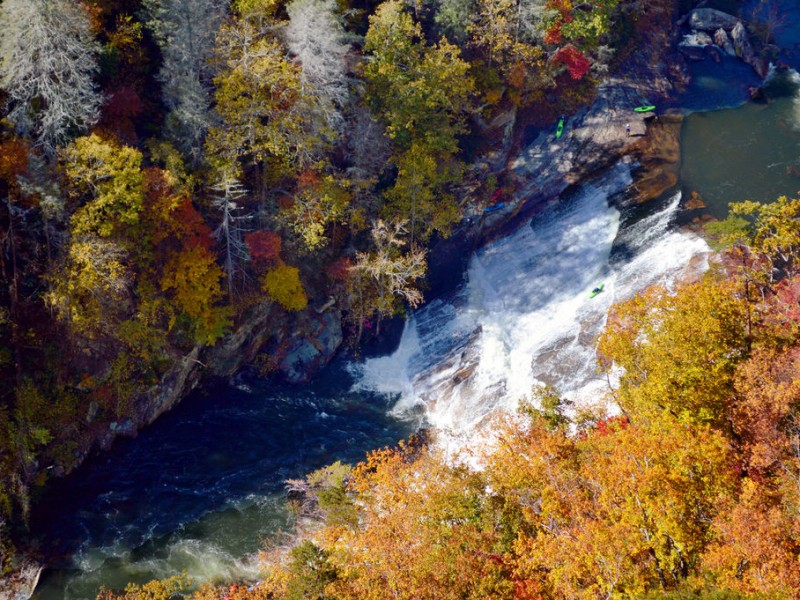
It’s mid-September and autumn is just around the corner. The fall color of leaves will soon be displayed as nature presents one of the greatest shows on earth. From the woods to the landscapes, leaves will be exhibiting such an array of color that amazes even the amateur eye. This colorful display of nature catches the attention of the novice and the noble as many will travel several miles simply to observe and enjoy. My favorite color is October!
How does nature pull this event off? It has to do with pigments and conditions such as shorter days and longer nights, lower temperatures, rainfall, and food supply. The green pigments are due to chlorophyll production. These pigments dominate during the spring and summer, thus hiding the other pigments in the leaves. The yellow and gold pigments are a result of the presence of the carotenoids and have been present in the leaf cells throughout the life of the leaf. These pigments provide the yellow hues that leaves exhibit when the chlorophylls are not present.
The red, crimson or purple pigments are a result of the presence of the anthocyanins which form in the cell sap of some species in late summer and fall. The combination of chlorophyll reduction and sugar breakdown in the presence of bright sunlight, cooler temperatures, and the transfer of phosphorus from the leaf to the stems produces the red and purple anthocyanin pigments which are seen in the maples and other plant species.
The brown and tan pigments are a result of the presence of the tannins which are seen in the oaks and similar trees. The tannins essentially act as a defense system for plants against pathogens, herbivores and poor environmental conditions.
The orange pigments are a result of the presence of both the carotenoids and the anthocyanins. This combination brings out the awesome display of orange colors in trees.
A succession of warm, sunny days and cool nights (above freezing) bring about the most colorful displays. During these days, lots of sugars are produced in the leaves but the cooler nights and the closing of the veins going into each leaf prevent these sugars from moving out. Thus, lots of sugar and light promote anthocyanin production giving reds, crimson and purples. Since the carotenoids are always present, the yellow and gold pigments remain fairly constant each year.
The bald cypress offers a unique combination of being deciduous and a conifer which creates a splendid orange red color. The black tupelo is known for its spectacular fall foliage and can have many shades of color on the same branch including yellow, orange, bright red, purple, and scarlet hues. Also, it is a bird-friendly tree.
The Japanese maple is a versatile choice for fall color (reddish-purple) with brilliance throughout the year. The red maple is a traditional fall tree offering either deep red or yellow fall colors. The red maple is most appropriately named since part of the tree is red throughout each season of the year.
The sassafras offers a magnificent display of fall colors including deep orange, scarlet, purple and yellow. The sourwood is another tree offering fantastic fall colors of yellow, red and purple. The sugar maple exhibits interesting color changes throughout the year from several shades of green in the summer to yellow and orange to red in the fall. And, the sweetgum is known for its star-shaped leaves in spring and summer which turn yellow, purple and red in the fall.
Others include Trident maple (orange-red), serviceberry (yellow to orange), river birch (salmon-white exfoliating bark), Katsura tree (yellow-orange heart-shaped leaves), and flowering dogwood (purplish red). Also, franklinia (orange-red), male ginkgo (yellow), goldenrain tree (showy papery fruit capsules), Chinese pistache (yellow to orange-red), Sargent cherry (yellow to red), Yoshino cherry (yellow), Callery pear (red), and Japanese stewartia (yellow to red). Also, oaks (red, brown or russet), beech (light tan), and elms (brown).
So, where can you find places to witness such magnificent fall colors? As mother nature would have it, the awesome display of fall coloration is magnified as different tree species are found in mixed populations throughout our forests and woodlands. The beauty of such fall coloration in trees can be witnessed across the United States in parks, urban areas, the countryside, and the mountains (from home landscapes to secluded areas). To observe magnificent displays of color, identify and visit an area that is full of deciduous trees before they drop their leaves.
The number of leaf-lookers in the fall on the weekends has grown constantly in recent years. This also means that the highways and byways will be more heavily trafficked, thus realize that you may encounter traffic jams, accidents and slow-moving vehicles. What might have been a 30-minute rendezvous under normal conditions at your destination, could develop into a very slow journey (maybe a couple of hours or more) under such conditions. However, the view is priceless and well-worth the time and effort.
Some awesome places for leaf viewing include the northeast (New England area) which is famous for its diverse display of several bright colors. Also, the Rocky Mountains are known for the contrasting color of Aspen trees (yellows) next to dark green conifers. And, the Smoky Mountains definitely exhibit a colorful viewing which is well-worth the drive-through and visit. Furthermore, from the Boston Mountains in Arkansas through the Appalachian Mountains to the Allegheny Mountains, beautiful fall color abounds.
Many scenic highways and by-ways are identified as the route to select for viewing the fall colors at their very best (ie. Blue Ridge Parkway). Also, all the national forests have unlimited viewing areas in many states in all regions across the country. Enjoy the view as you become one of the millions of leaf-lookers in the fall.
Always think in terms of native and sustainable plants in the landscape. Keep your hanging baskets and potted plants refreshed with water and food. Select your mums for fall gardens. Remember to feed and water the songbirds. Give your pets the care they need. Do not leave them unattended in a hot car or tied to a tree all day long. Also, be on lookout for children playing and bicyclists riding along the streets and roadways throughout our communities. Don’t drive distracted or impaired, and don’t text while driving. Help the homeless and those in need every chance you get. Let’s keep everyone blessed and safe.
“And God is able to make all grace abound to you, so that in all things at all times, having all that you need, you will abound in every good work.” 2 Corinthians 9:8.
Eddie Seagle is a sustainability associate, Golf Environment Organization (Scotland); agronomist and horticulturalist, CSI: Seagle (Consulting Services International); professor emeritus and honorary alumnus, Abraham Baldwin Agricultural College, and associate editor of The Golf Course, International Journal of Golf Science. Direct inquiries to [email protected].