
JACK PARKS: I don’t need your civil war
TALK NERDY TO ME: Comics books are our modern mythology

By Jack Parks
Hey, everybody. Since this is hopefully the first of many columns, they wanted me to give an introduction. I’ve had a serious interest in most aspects of nerd/geek subculture my entire life. For a very long time this made me “weird” or “odd,” but in the past decade what was previously the realm of a select few socially awkward young men and women has become a considerable part of the larger national culture. As a result, I am now still a bit weird and odd, but I’m also able to act as a scholar, providing history and biographical information on the latest movies and books. My intention is for this column to serve as a way to familiarize the general public with different facets of nerdery, while at the same time giving my fellow geeks something they can relate to.
Now, on to today’s topic.
Civil war has influenced several parts of my life. In my youth I learned much about the American Civil War from my father, and many an evening’s entertainment consisted of quizzes to test our knowledge. Musically, Guns ‘n’ Roses’ “Civil War” remains one of my favorite songs to rock out to in the car. I would be lying if I said I hadn’t been late clocking in to work because I stayed in my car until it was over. And in the geek world, there are many civil wars: Xbox vs. Playstation; Star Trek vs. Star Wars; George R.R. Martin vs. J.R.R. Tolkien; Kirk vs. Picard; Marvel vs. DC … the list could go on forever, and in all of them both sides secretly support the other. Except Xbox. Xbox sucks, and that is a scientific fact.
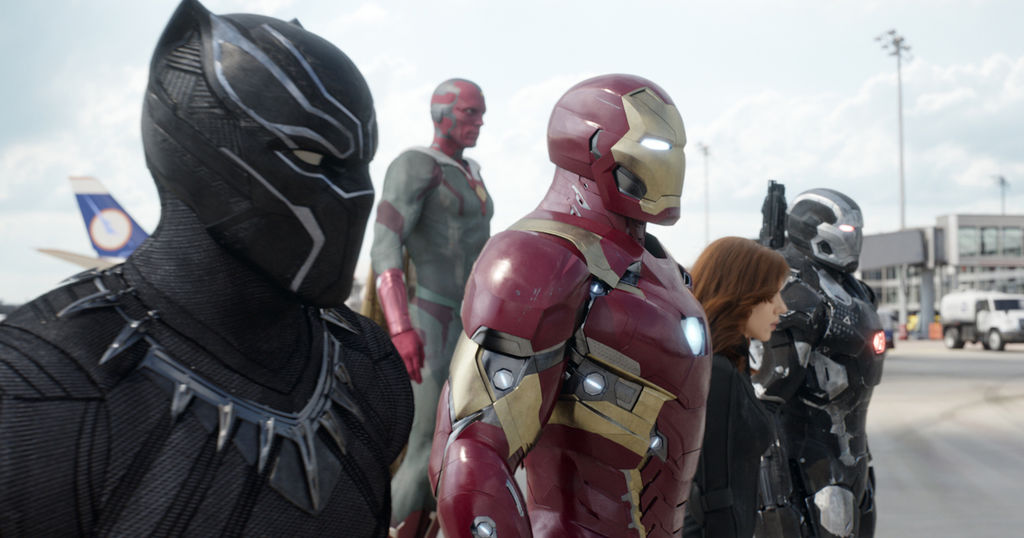
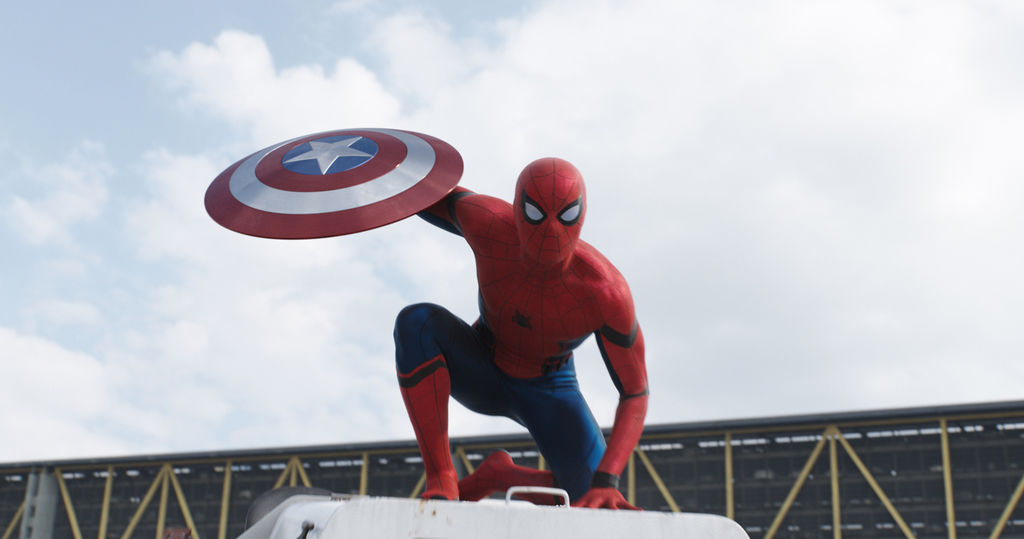
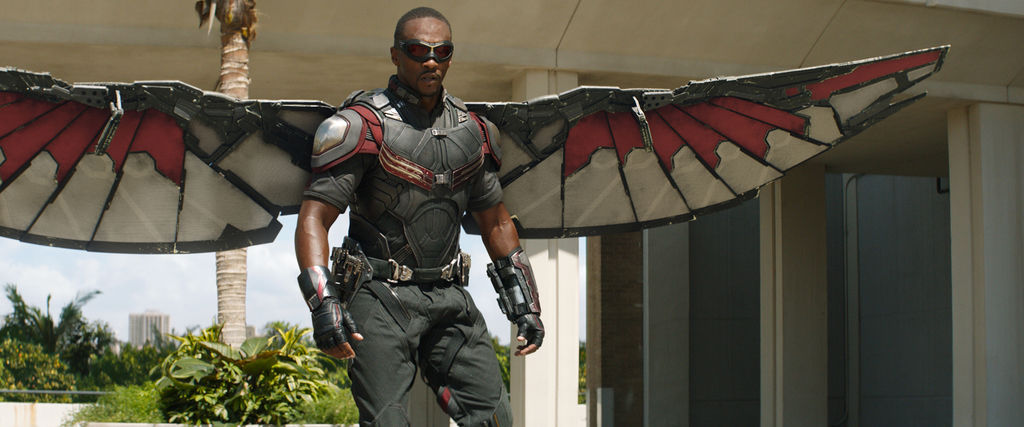
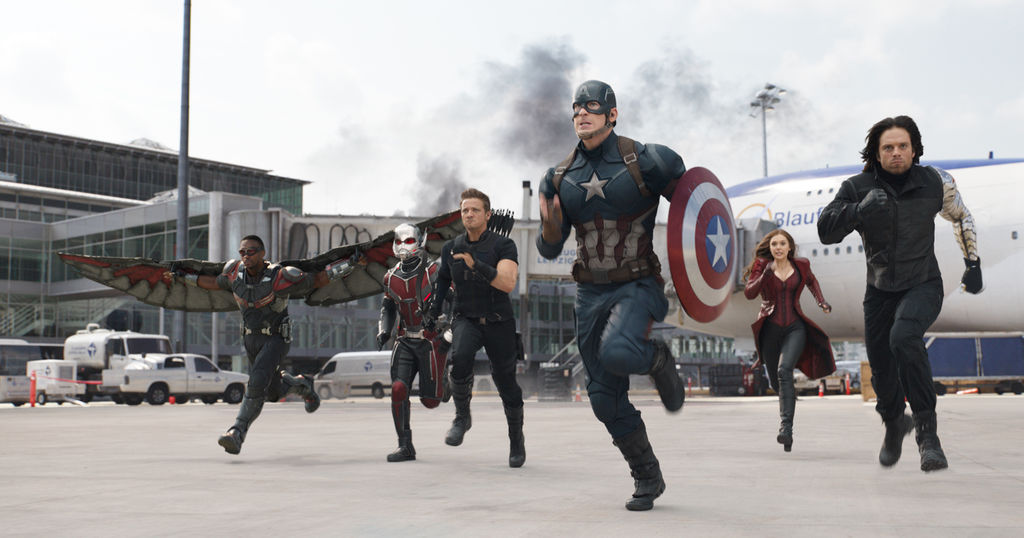
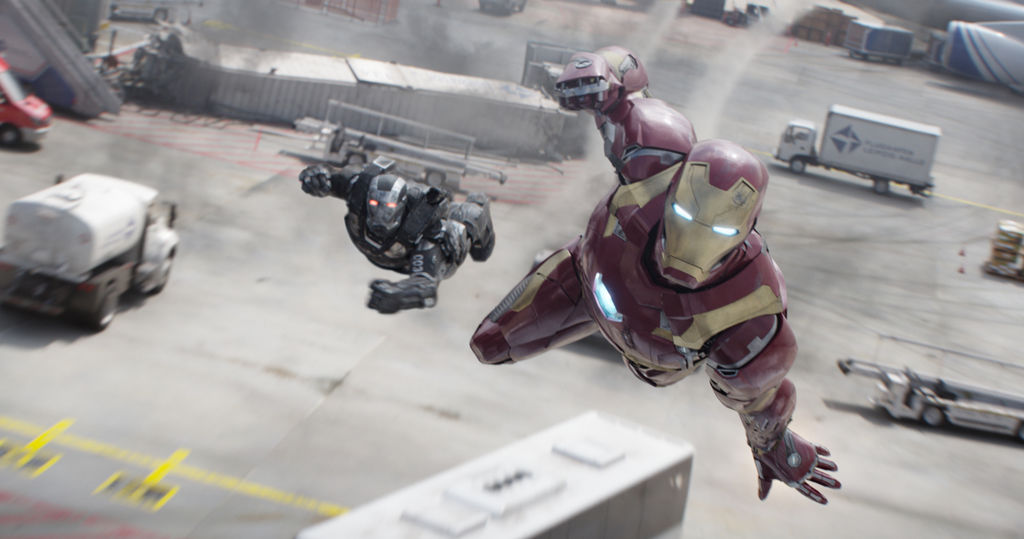
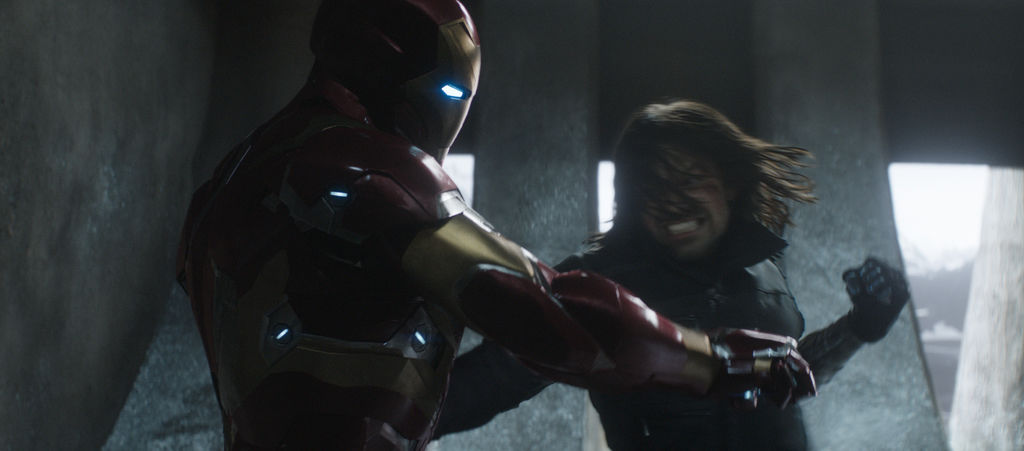
On May 6, the third film in Marvel’s Captain America franchise was released, titled “Civil War.” Since it is the top-grossing movie so far this year, I assume that most of you have seen it already. The title and plot loosely refer to one of the most significant storylines in Marvel Comics history, one which shattered the bonds between friends and left many fallen heroes in its wake. There are many differences, but the themes are quite similar. If you haven’t seen the movie or are curious about where the most profitable movie of the year came from, read on. (No spoilers!)
In this storyline, a group of young heroes is traveling the country looking for some bad guys to fight. They find some hiding out in a small town and take them on, though, unfortunately, they are not able to defeat them all and the encounter results in not only their destruction, but that of hundreds of innocent people. This ignites a massive reaction against heroes of all kinds.
Very shortly afterward, Congress passes a law mandating that all persons with super powers, abilities or hardware be registered with the federal government, undergo training and serve as needed, whether good or bad. Two sides quickly develop behind iconic leaders: Ironman, concerned about the safety of the general public in a world full of gods, and Captain America, who takes a stand against conscription and slavery. Everything in the Marvel Universe turns upside down as former villains work with the government to hunt down heroes, friends betray one another, families are threatened and more than one hero loses his life before the ultimate conclusion.
And that brings me to another civil war: the one on comics. Everyone knows that comic books are childish and not appropriate for adults. Yet the films they inspire are not only top earners at the box office, but quite often receive high praise from critics as well, as is the case with “Captain America: Civil War.” The truth is that comics are nothing more than a means to tell a story and, if done correctly, they can be just as effective as prose, if not more so. Marvel’s civil war arc has enough themes and character development to give an English teacher a full term’s worth of material. This is our modern mythology. If you enjoy the movies, I encourage you to learn where they came from.


Related Articles
‘Sounds Like a Mutiny.’ Secret Recording Exposes Claims of Toxic Leadership After a Marine’s Suicide
This week’s War Horse story follows the systemic failures before and after the death of Cpl. Drew Mobley who was the third in two years at Marine Corps Base Quantico to die by suicide.

Southwest Georgia artists recognized at packed opening of exhibition
The annual juried exhibition, one of the region’s largest showcases of visual art, features approximately 46 artists and nearly 90 works spanning painting, sculpture, ceramics, photography and mixed media.
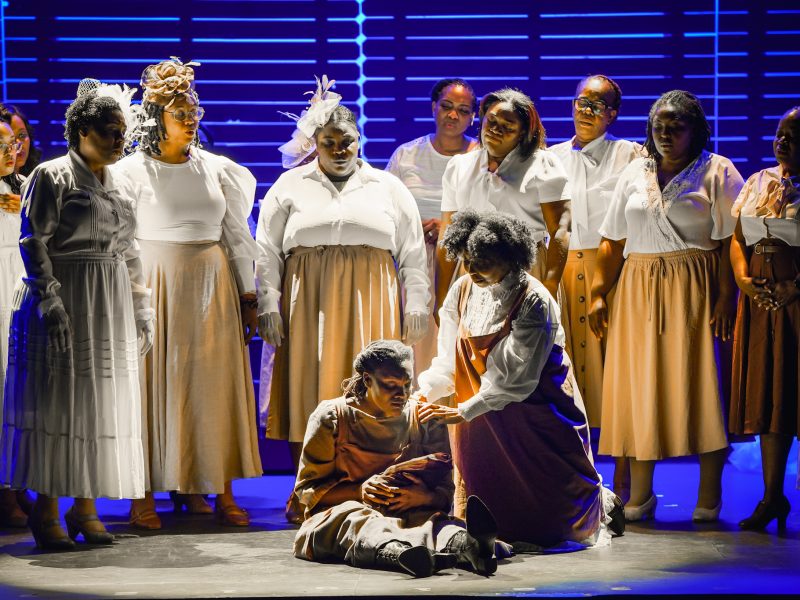
Powerful performances drive Theatre Albany’s ‘The Color Purple’
From the street, strands of purple ribbon wind around the white columns of the historic theater, hinting at the story waiting beyond its doors. Inside the foyer, a carefully curated slideshow flickers across a large screen, cycling through the faces of the cast. Some are seasoned performers. Others are stepping onto a stage for the very first time. Teachers stand alongside former students. Parents perform beside their children. People who worship in different churches, work different jobs and come from different corners of Southwest Georgia gather beneath the same lights to tell the same story.
