
Mapping the economic value of pollinators
By Sameeka Prabath Rajamani
UGA/CAES
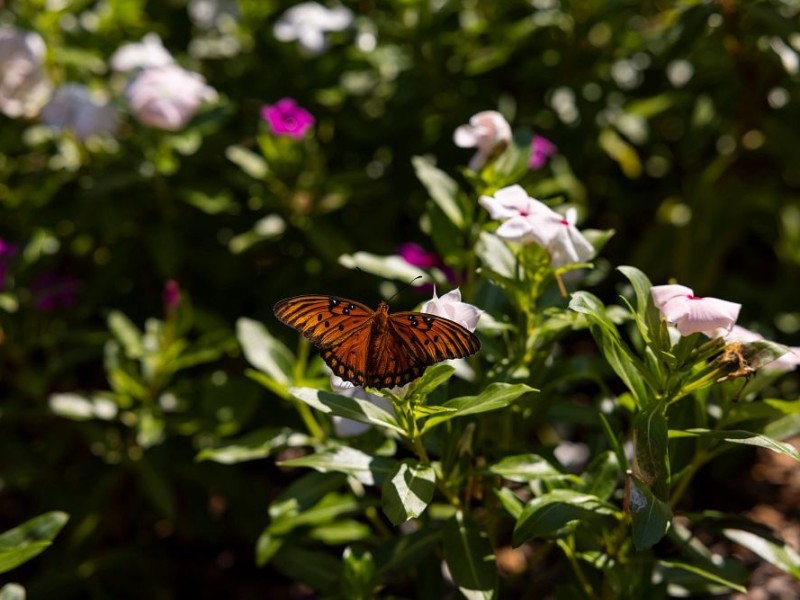
ATHENS — From beetles to butterflies, pollinators are a beautiful and integral part of nature. And these tiny creatures may be more economically important to agricultural and ecological systems than previously thought.
In a recent project by the University of Georgia Center for Agribusiness and Economic Development, economist Sharon Kane and plant protection expert Becky Griffin have put together a county map displaying the economic importance of pollinators across Georgia.
“We wanted to demonstrate that pollination brings a lot of value all across Georgia, not just in agricultural hubs,” Kane explained.
Inspired by the work done by previous researchers, Griffin and Kane linked their expertise on this project beginning in summer 2023. Kane focuses on analyzing the economic impact of various industries, while Griffin works on the Great Southeast Pollinator Census, a UGA Cooperative Extension project that now includes Georgia, South Carolina, North Carolina and Florida.
“We knew there had to be a way to connect the value of pollinators to economic value,” Griffin, founder of the pollinator census, said. “I think the value of pollinators is very high to all of us.”
Pollinators are responsible for assisting the reproduction of more than 75% of the world’s flowering plants, including many food crops. They add more than $217 billion to the global economy and fuel key areas of Georgia’s economy, such as honey production, for which the state is among the country’s top 10 producers.
For more than 20 years, the Center for Agribusiness and Economic Development in UGA’s Department of Agricultural and Applied Economics has produced the annual Farmgate Value Survey of Georgia’s agricultural landscape.
Until last year, pollinators had not been included in formal economic valuations. By measuring the economic value pollination provides, their importance is communicated to key stakeholders, such as farmers, business owners and policymakers.
“Our plates would be very different without pollinators,” said Griffin, who also serves as the community and school garden coordinator for UGA Extension. “People don’t always take the time to realize their importance, so events like the census and those our project partners host bring awareness, which is key.”
The map Kane and Griffin created includes an estimated economic value of pollination from each county in Georgia, updating previously published data with the most recent numbers. Using a map format effectively highlights the importance of pollination across Georgia by taking a unique approach in conveying the data.
While farmers may be the ones working with pollinators on a day-to-day basis, much of the food we eat is dependent on the well-being of these creatures. Whether you live in a rural or urban environment, it is important to recognize the importance of conservation.
“We wanted to set it up to be user-friendly, so we created a template for this to be replicated in regular intervals — potentially every five years — to provide snapshots of how the economic value of pollination may change over time,” Kane said.
Planned as an ongoing project, with data being updated as needed, the researchers plan to analyze the data over time for trends and patterns.
Kane and Griffin emphasized that outreach is essential to the main purpose of the project, to act as a resource for other researchers and inform stakeholders about the value of pollinators. The data will be shared through the Great Southeast Pollinator Census website and newsletter.
To educate the public — including residents, extension agents, students, and other researchers — Kane and Griffin are planning workshops to promote the project, providing an educational resource on how to conserve pollinators.
“Empowering people is the biggest part of this project,” Griffin said. “You can build a pollinator garden, and by doing so, you will create your own little habitat in your backyard.”
Learn more about the economic value of pollination and how to protect pollinators at extension.uga.edu/pollinators.
Author

Related Articles

‘Sounds Like a Mutiny.’ Secret Recording Exposes Claims of Toxic Leadership After a Marine’s Suicide
This week’s War Horse story follows the systemic failures before and after the death of Cpl. Drew Mobley who was the third in two years at Marine Corps Base Quantico to die by suicide.

Southwest Georgia artists recognized at packed opening of exhibition
The annual juried exhibition, one of the region’s largest showcases of visual art, features approximately 46 artists and nearly 90 works spanning painting, sculpture, ceramics, photography and mixed media.
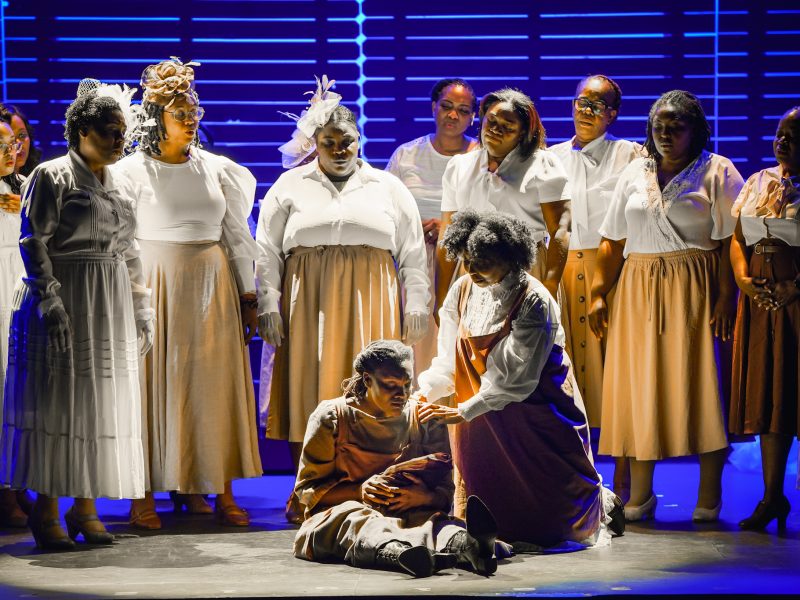
Powerful performances drive Theatre Albany’s ‘The Color Purple’
From the street, strands of purple ribbon wind around the white columns of the historic theater, hinting at the story waiting beyond its doors. Inside the foyer, a carefully curated slideshow flickers across a large screen, cycling through the faces of the cast. Some are seasoned performers. Others are stepping onto a stage for the very first time. Teachers stand alongside former students. Parents perform beside their children. People who worship in different churches, work different jobs and come from different corners of Southwest Georgia gather beneath the same lights to tell the same story.
