
MARY BRASWELL: A look back at more news from August 1947
HISTORY: Albany and Southwest Georgia were growing by leaps and bounds in August 1947.
By Mary Braswell
Each week Albany Herald researcher Mary Braswell looks for interesting events, places and people from the past. You can contact her at (229) 888-9371 or [email protected].
Last week’s look back at August 1947 in Albany and Southwest Georgia was just part of what was making local news. Here is more from the same time in history.
— Playing at the State (Theatre) was Disney’s first live-action musical drama, “Song of the South.” Deemed the most popular picture to ever show in Albany, the film returned by popular demand. Admission was 30-cents for adults and 20-cents for children.
— The state’s only remaining prison road camp located near Folkston was closed. The remaining 48 men were transferred to other prison facilities as there were to be no such work camps in Georgia. Just a month prior, guards fatally shot eight prisoners during a mass escape attempt.
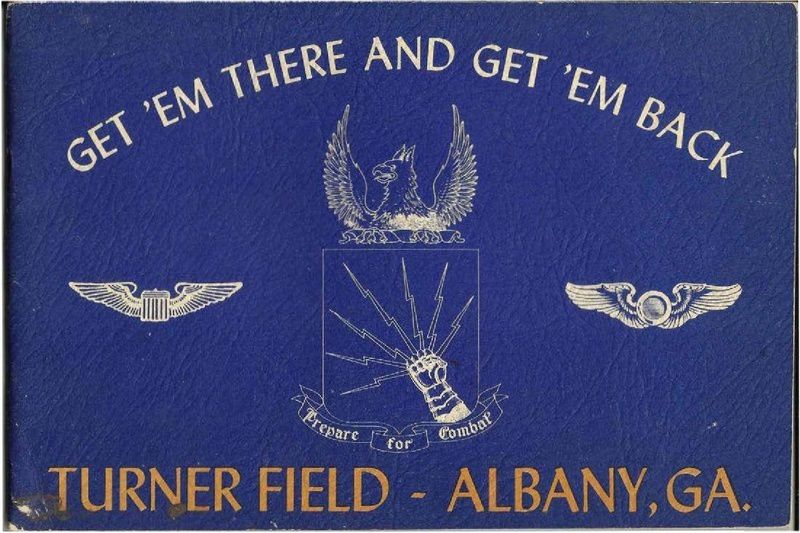
— The announcement came that the newly-recommissioned Turner Field would be home to the Army Air Force’s Mustang P-51 planes, 75 of them. The aircraft carried a 1,720-horsepower engine and could travel over 500 mph.
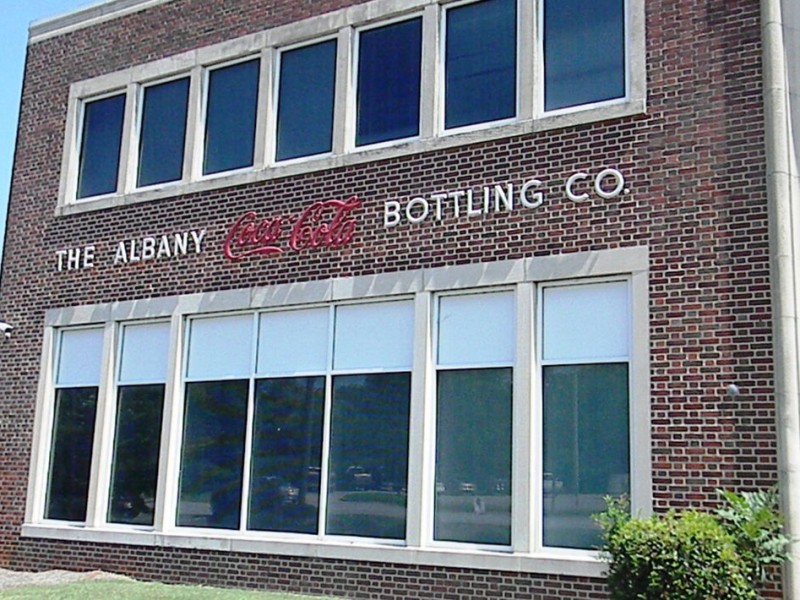
— With sugar restrictions lifted, the Coca-Cola Bottling Plant on Pine Avenue announced it had returned to full operation. The public was asked to return any and all bottles for a refund so production could keep up with the demand.
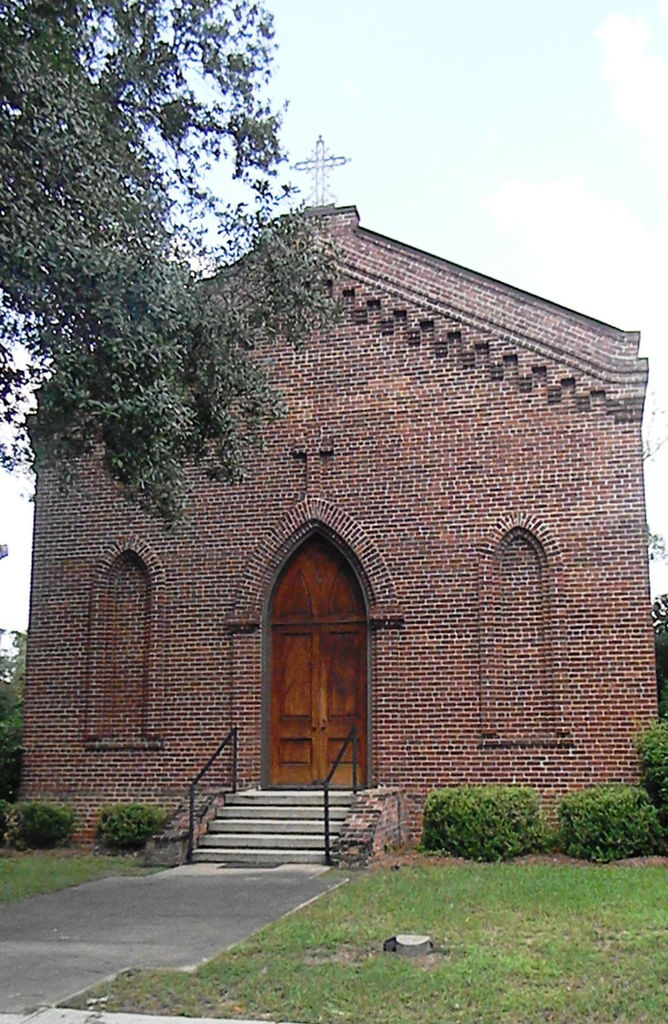
— St. Teresa’s Catholic Church heard confessions each Saturday from 4:30 to 5:30 pm and again from 7:30 to 8:30 pm. Confessions were also heard weekdays before the 7:00 am mass.
— Watson Feed Store had baby chicks available for the low price of $12.50 per 1,000.
— Two teenage boys took the patrol car keys and guns from two Dougherty County Police officers during an encounter on Mock Road. The pair escaped in a maroon 1947 Dodge coupe, which was later found abandoned about eight miles north of Albany. Directives from a GBI agent concerning the search for the two youths was this: “Capture them alive if you can, but if you can’t – shoot straight and take no chances.”
— Albany’s new tent ordinance required that no tents be erected within the fire limits of downtown. Those erected outside the limits for the purpose of holding people could be no larger than 10 ft by 12 ft. without permission of the City Commission and Fire Department. Such tent owners were required to show proof that the tent had been fire-proofed within the last three years or be willing to have it tested with real flames.
— As home construction soared in this post-war year, Sears had 10-penny nails available. The price was $8.50 per 100 pounds.
— The Albany Municipal Auditorium was set for its first major renovation since constructed in 1916. S.J. Curry and Company of Albany won the bid for the work at $57,160 and expected to finish the task in 90 days. That dollar amount is roughly the same as $550,000 today.
— While more Albany schools received accreditation from the Accreditation Commission of Georgia than ever before, two were not up to standards. Tift Primary and Mercer Street schools, both for African-American students, were deemed inadequate and beyond repair. Both, however, lacking another place to hold class, were expected to open for the fall term after Labor Day.
— Retired railroad man, C.W. Frazier, purchased the Aries Hotel in Arlington for the purpose of opening a Railroad Business College. After complete renovation, part of the building would remain a hotel while a portion would train students in the business end of working the railroad.
— A work order was issued by the State Highway Department to begin work on a four-lane paving project in Albany. The route from Jefferson Street out Broad Avenue to Slappey Drive and then from Slappey to 12th Avenue was expected to be completed in 220 days.
— Pastor Bob Sides of Acree Baptist Church volunteered alongside six church youths to help B.F. Ramsey and his family with the monstrous task of harvesting and stacking his peanut crop. Ramsey, with only his wife and children to help, had considered the job almost impossible. More harvesting projects were on tap as word spread about the willing helping hands.
— Construction began on six four-unit apartments on Marie Road in East Albany. The development was underwritten by the Federal Housing Authority for $103,800.
— Despite the destruction by fire of the Donalsonville School the previous May, no new buildings had been built. However, classes would resume as scheduled with the help of First Baptist, Nazarene and First Methodist churches. High school students would use the lunchroom, gymnasium and agricultural building for classes.
— The Pelham tobacco market closed its door for the season after more than five million pounds of flue-cured golden leaf was sold. This amount set a record for the market, which opened in 1922.
— Banks in Albany were preparing for the arrival of approximately $1 million in checks for area veterans as terminal leave payments were issued on Sept. 1. The average check was expected to be around $200 with 5,000 veterans in Dougherty, Lee, Baker and Terrell counties eligible for the payment.
— New for Georgia in the upcoming school year was the 12th grade plan. The decision to add a 12th grade was left entirely up to local communities and would not have any bearing on college eligibility. Dougherty, Terrell and Randolph counties previously announced plans to add the grade.
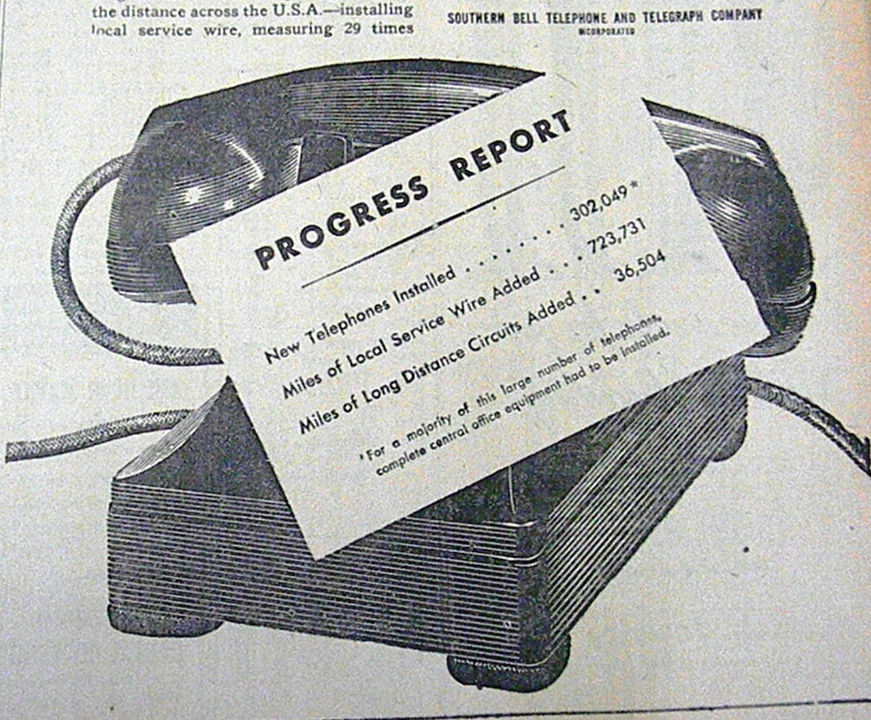
— The Georgia Public Service Commission was asked by Southern Bell Telephone Company to allow for rate increases. The one-party business rate in Albany was $4.75 per month while one-party residential rate was $2.50 per month. Southern Bell asked for increases to $5.75 and $3 respectively.
— Construction was nearing completion for the new African American high school on S. Monroe Street. At the time, Monroe High was the most expensive school ($200,000) ever built in Albany
QUIK QUIZ answer: d) farm irrigation system
The system was installed in the Chokee District and was, according to the county agent, the first such plant of its kind in the county. Irrigation was for 7-8 acres of strawberries, nursery stock and truck crops.

Related Articles
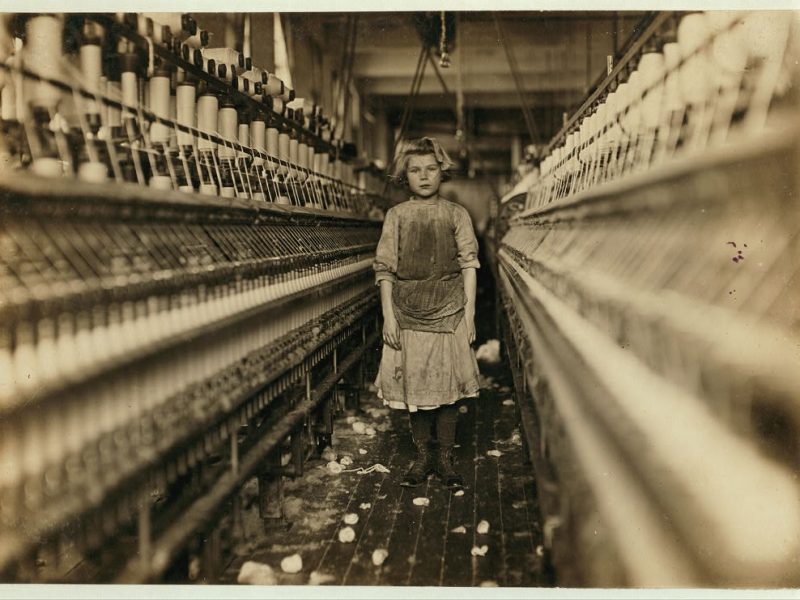
From cotton to cloud: In the data center debate, is rural Georgia once again being asked to carry the cost?
Across much of rural Georgia, the abandoned cotton warehouses and shrinking tax bases remain — enduring reminders that industries built to serve distant markets do not necessarily stay rooted in the communities that first sustained them.
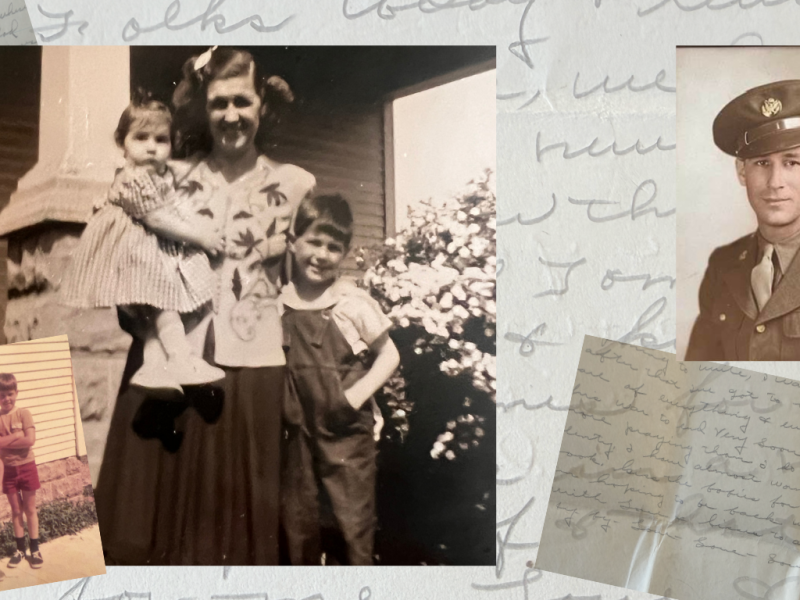
My Grandpa Was Killed in World War II. I Met Him Through His Letters Home
Gina Wolf’s grandfather died before she was born. His letters sent to her grandmother from Europe during World War II made it possible to know what kind of man he was.
‘Sounds Like a Mutiny.’ Secret Recording Exposes Claims of Toxic Leadership After a Marine’s Suicide
This week’s War Horse story follows the systemic failures before and after the death of Cpl. Drew Mobley who was the third in two years at Marine Corps Base Quantico to die by suicide.
