
MARY BRASWELL: A look back at things associated with autumn
HISTORY: A favorite at the fair, cotton candy was originally called “Fairy Floss.”

By Mary Braswell
Each week Albany Herald researcher Mary Braswell looks for interesting events, places and people from the past. You can contact her at (229) 888-9371 or [email protected]. Follow @ABH_MBraswell on Twitter.
While it takes longer for fall to arrive by weather than in many parts of the country, the cool mornings are finally here and the season change has begun to feel real. This week is a look back at things associated with the autumn.
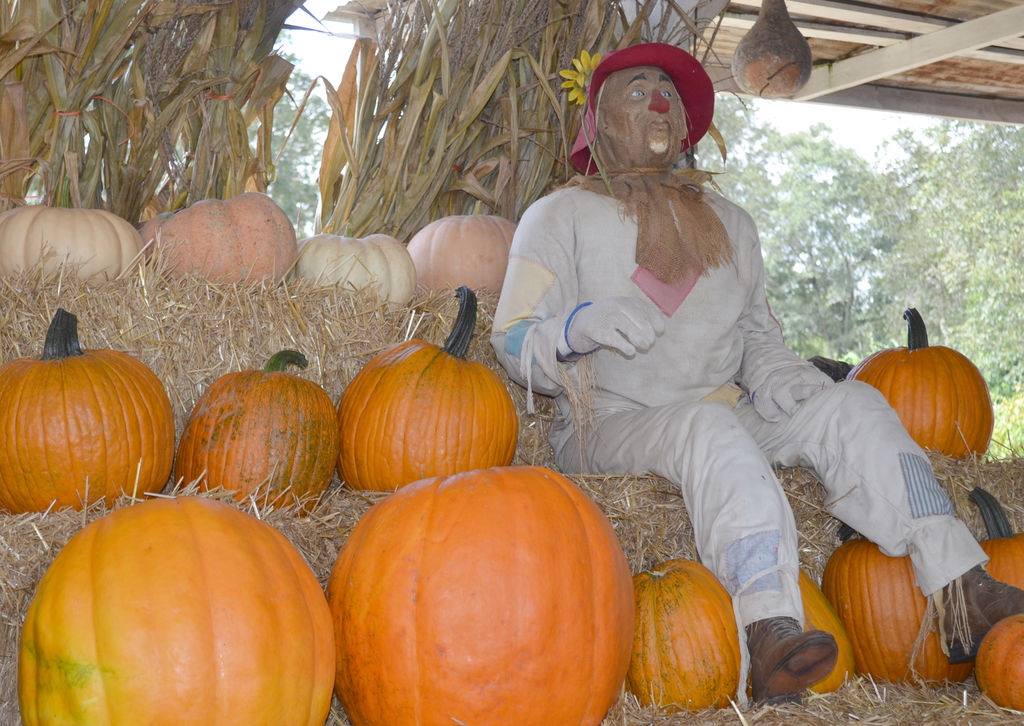
PUMPKINS
— Pumpkins are a member of the gourd family, which includes cucumbers, honeydew melons, cantaloupe, watermelons and zucchini. These plants are native to Central America and Mexico, but now grow on six continents.
— In 1584, after French explorer Jacques Cartier explored the St. Lawrence region of North America, he reported finding “gros melons.” The name was translated into English as “pompions,” which has since evolved into the modern “pumpkin.”
— Pumpkins are low in calories, fat, and sodium and high in fiber. They are good sources of Vitamin A, Vitamin B, potassium, protein, and iron.
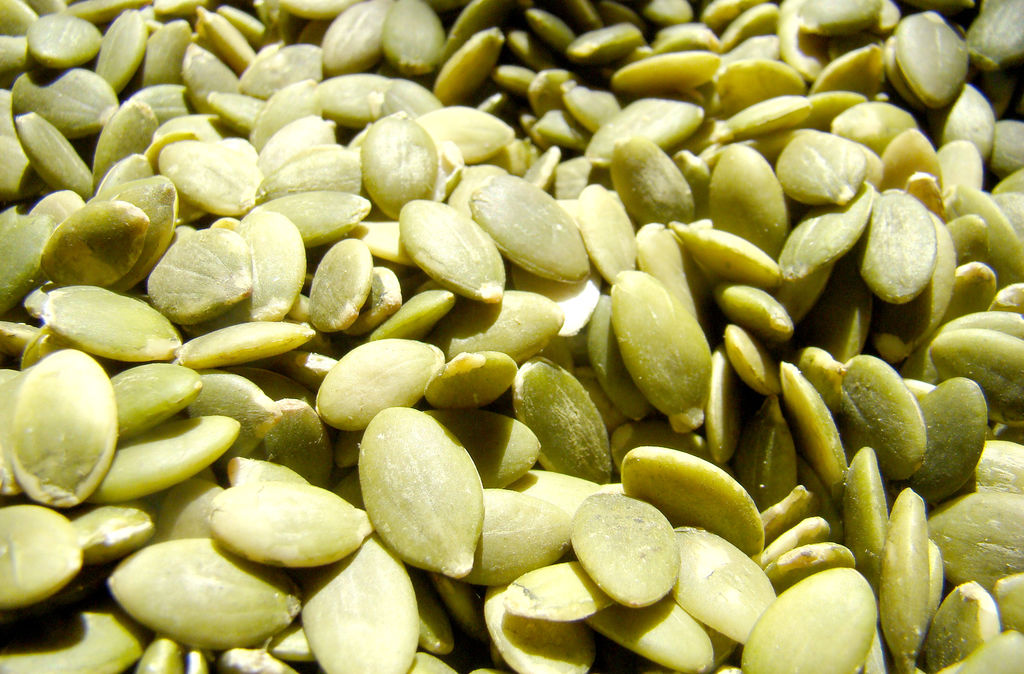
— Each pumpkin has about 500 seeds. Each takes between 90 and 120 days to grow. High in iron, the seeds can be roasted for a healthy snack. The flowers that grow on pumpkin vines are also edible.
— The original jack-o’-lanterns were made with turnips and potatoes by the Irish. In England, they used large beets and lit them with embers to ward off evil spirits. Irish immigrants brought their customs to America, but found that pumpkins were much easier to carve.
— Pumpkin pie originated in the colonies, just not as we know it today. Colonists would cut the tops off pumpkins, remove the seeds, and fill the pumpkins with milk, spices, and honey, then bake them in hot ashes.
— In early colonies, pumpkin shells were used as a template for haircuts to ensure a round and uniform finished cut. As a result of this practice, New Englanders were sometimes nicknamed “pumpkinheads”.
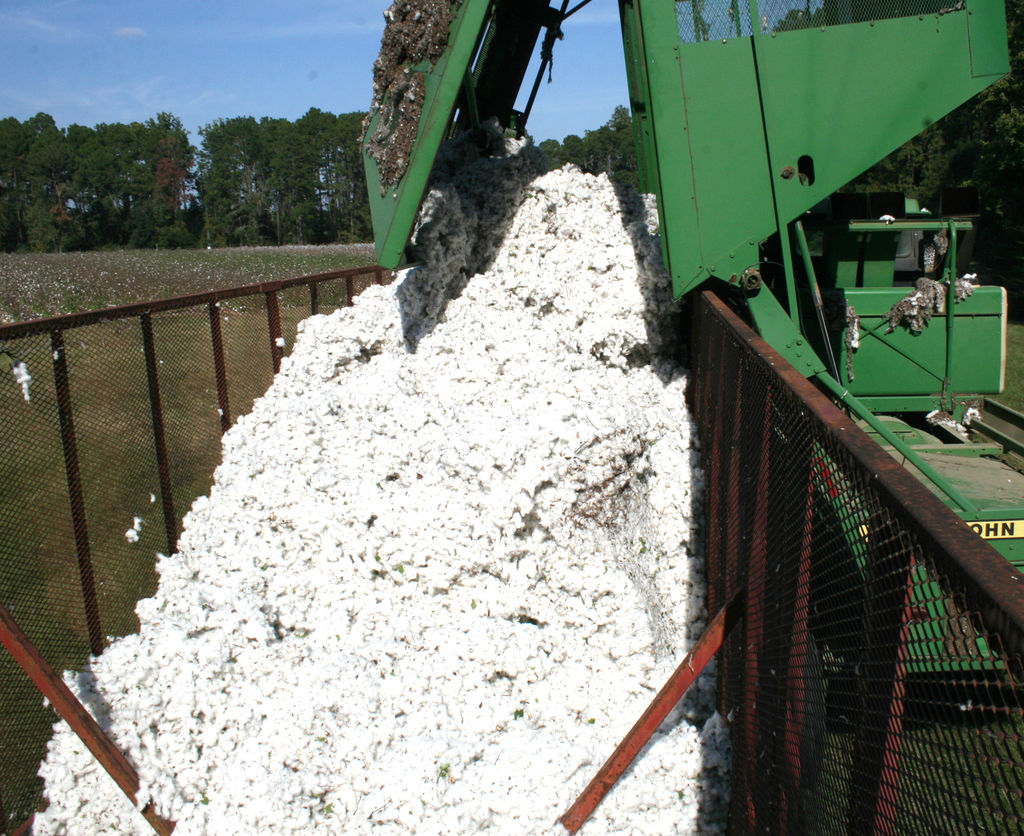
COTTON FIELDS
— The name cotton comes from the Arabic word “Qutn,” which means fancy. Cotton was also once known as vegetable wool.
— Tiny cotton seeds are very durable. They can actually survive even if blown across the ocean, which means they can travel for thousands of miles and still remain viable.
— Cotton can absorb water up to 27 times its own weight and can be weaved into any desired density.
— U.S. paper currency isn’t paper at all. The bills are a blend of 75 percent cotton lint and 25 percent linen. A 480-pound bale of cotton can be made into 313,600 $100 bills.
— Cotton thrives in heat. It prefers dirt that keeps the water out of the root zone … South Georgia comes to mind here.
— One 500-pound bale of cotton can make 215 pairs of blue jeans, 680,000 cotton balls, or 6.5 million cotton swabs.
— Thomas Edison’s first light bulb filament was made from cotton.
FOOD
—William W. Kolb of New Jersey is credited with the creation of candy apples in 1908. Kolb, a candy-maker, was experimenting with red cinnamon candy for Christmas. He dipped some apples in the mixture and placed them in the shop’s window for sale at 5 cents each.
— The caramel apple was created in much the same was as the candy apple, but not until around 1950. Kraft Foods employee Dan Walker melted down some excess caramels left from Halloween and dipped apples in the candy. In 1960, the first automated caramel apple machine was patented.
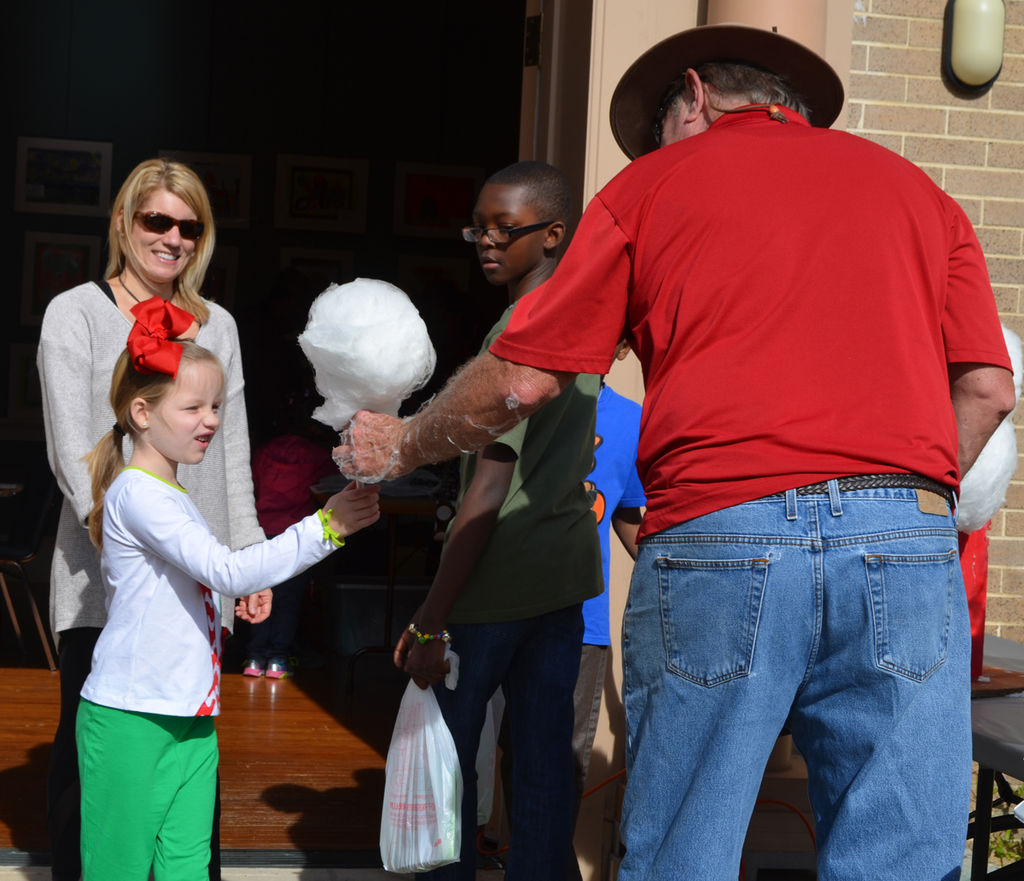
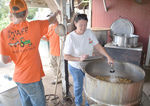
— In 1897, William Morrison and John C. Wharton of Nashville, Tenn., created a machine that would melt sugar and push the liquid through a screen to produce strands of sugar. The two experimented with coloring and flavors. Once collected in a bowl, they swirled the candy into paper cones or boxes for easy serving. Morrison and Wharton patented their Fairy Floss machine.
— At the St. Louis World Fair in 1904, 68,655 boxes of Fairy Floss was sold for 25 cents each. This was a steep price considering admission to the fair was only 50 cents. Soon the machines were being sold to candy stores, most of which sold the boxes for 5-10 cents each.
— Dr. Josef Lascaux, a dentist from New Orleans, improved the machine design in 1921 and trademarked the name “Cotton Candy.” Some countries still call the product Fairy Floss.
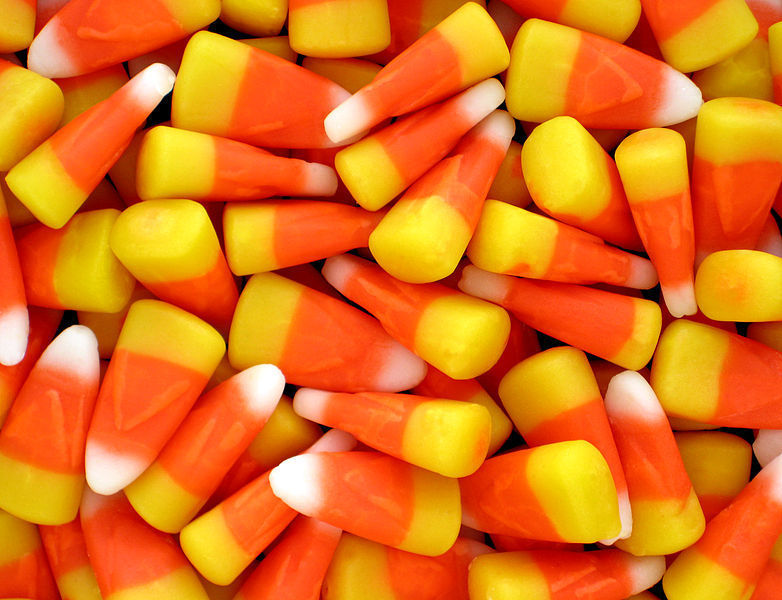
— George Renninger, a candymaker at the Wunderlee Candy Company in Philadelphia, invented the tricolor candy corn in the 1880s.
—The Goelitz Candy Co. began making candy corn in 1900 before the family-run operation changed its name to the Jelly Belly Candy Co., which still produces candy corn today.
— When Goelitz first produced candy corn, it was called “Chicken Feed.” The boxes were illustrated with a colorful rooster logo and a tag line that read: “Something worth crowing for.”
— In the United States, nine states grow 99 percent of the U. S. peanut crop. Georgia grows about 39 percent of that total number.
— Boiled peanuts are considered a delicacy in the peanut growing areas of the South. are boiled in supersaturated salt water until they are of a soft bean like texture.
HALLOWEEN … DID YOU KNOW?
— The first written account of children using the phrase “trick or treat” came from Canada. The following was printed in an Alberta newspaper on Nov. 3, 1927: “The youthful tormentors were at back door and front demanding edible plunder by the word ‘trick or treat,’ to which the inmates gladly responded and sent the robbers away rejoicing.”
— In Alabama, it is illegal to dress up like a priest or nun.
— American consumers are expected to spend approximately $8.4 billion on Halloween this year (2016).
— The next full moon on Halloween will be in 2020.
—Trick or-Treating died out during World War II when sugar was rationed. After the rationing ended in 1947, children’s magazine “Jack and Jill,” radio program “The Adventures of Ozzie and Harriet,” and the “Peanuts” comic strip all helped to re-popularize the tradition of dressing up in costumes and asking for candy from door-to-door.
— In 2014, visitors to Cool Patch Pumpkins in Dixon, California explored a 60-acre corn maze, which the Guinness Book of World Records confirmed was the largest ever created. Several times, panicky people called 911 after spending hours lost in the corn.
TRULY FRIGHTENING!
— In 1970, a young boy died of a heroin overdose. The investigators found it on his Halloween candy, but later discovered the boy had accidentally consumed some of his uncle’s heroin stash, and the family had sprinkled the drug on the candy to cover up the incident.
QUIK QUIZ ANSWER: a) Silly String
Related Articles
From cotton to cloud: In the data center debate, is rural Georgia once again being asked to carry the cost?
Across much of rural Georgia, the abandoned cotton warehouses and shrinking tax bases remain — enduring reminders that industries built to serve distant markets do not necessarily stay rooted in the communities that first sustained them.
My Grandpa Was Killed in World War II. I Met Him Through His Letters Home
Gina Wolf’s grandfather died before she was born. His letters sent to her grandmother from Europe during World War II made it possible to know what kind of man he was.

‘Sounds Like a Mutiny.’ Secret Recording Exposes Claims of Toxic Leadership After a Marine’s Suicide
This week’s War Horse story follows the systemic failures before and after the death of Cpl. Drew Mobley who was the third in two years at Marine Corps Base Quantico to die by suicide.
