
MARY BRASWELL: Looking back at 1918, 1943, 1968 and 1993
HISTORY: The Great War and Spanish influenza topped the news in 1918.
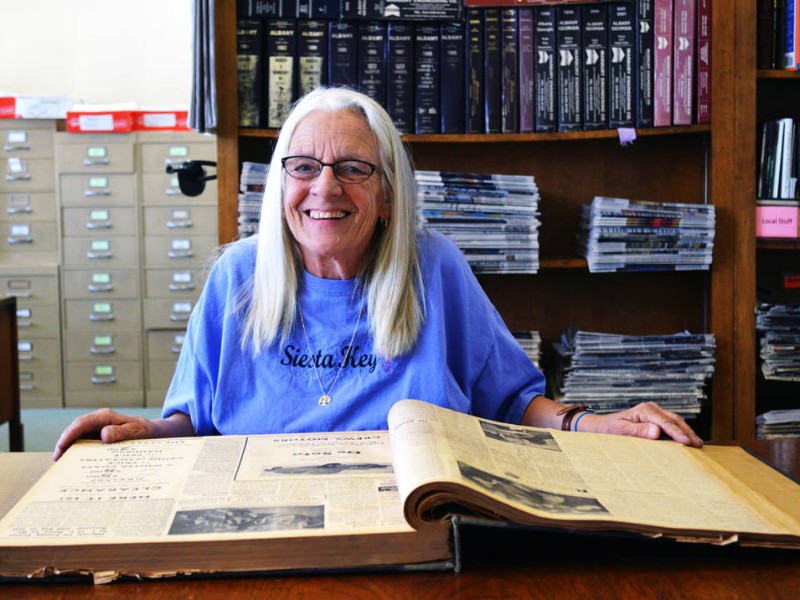
By Mary Braswell
As we knock on the door of a new year, here is a look back at 100, 75, 50 and 25 years ago.
1918
— A Chinese immigrant, David Jung, created the fortune cookie. Jung was concerned for all the poor people on the streets and created the cookie to hand out free. Each contained an inspirational verse written by a Presbyterian minister.
— The United States was heavily involved in the Great War. When the U.S. entered the war in April 1917, there were just 128,000 men in service. By war’s end in November 1918, the U.S. armed forces had almost 5 million men and women in service. Of that number, more than half were men drafted into the military.
— The U.S. War Office considered reporting news about the war as helping the enemy and if journalists were caught, they faced the death penalty. A handful of journalists did risk their lives to report on the war and the harsh realities that the soldiers faced.
— One of the earliest examples of plastic surgery came during World War I when a surgeon by the name of Harold Gillies helped shrapnel victims with terrible facial injuries.
— During the World War, American hamburgers (named after the German city of Hamburg) were renamed Salisbury steak. Frankfurters, which were named after Frankfurt, Germany, were called “liberty sausages,” and dachshunds became “liberty dogs.” Schools stopped teaching German, and German-language books were burned.
— Henry Ford recruited black people from the South to work in his factories. The migration of African-Americans from the South to the North during the Great War was one of the most significant population shifts in the 20th century.
— The single deadliest influenza pandemic in history was the Spanish flu during 1918-19. The Spanish flu killed more people in one year than smallpox or the Black Plague did in 50 years. One-third of all military deaths during that time were from the flu. On the home front, schools, movie theaters and other places that typically drew crowds were closed.
— Thanks to the flu, in 1918 the average life expectancy in America plummeted by a dozen years.
QUIK QUIZ
In 1993, “60 Minutes” was the No. 1 show on television. Which one was No. 2?
a) “Home Improvement”
b) “Northern Exposure”
c) “Murphy Brown”
d) “Seinfeld”
The answer is at the end of the column.
1943
— The University of Georgia defeated UCLA 9-0 in the Rose Bowl.
— America once again found herself in the middle of a World War. Rationing stateside included sugar, shoes, clothing, gasoline, processed foods such as soup and baby food, juices, butter, fats, meat, tires and even ketchup. Kraft Macaroni and Cheese boxed dinner became so popualr as a meat and/or dairy product substitute that 80 million boxes, at one rationing coupon each, sold in 1943 alone.
— The Current Tax Payment Act of 1943, re-introduced the requirement to withhold income tax in the United States, also known as pay-as-you-go, and remains in place today.
— President Franklin Delano Roosevelt ordered a minimum 48-hour work week in war industry.
— Life expectancy in America was 62.4 years for men and 64.4 years for women.
— Thomas Watson, chairman of IBM, is quoted as saying “I believe there is a world market for maybe five computers.”
— Philip Morris ran an ad acknowledging “smokers cough.” The company claimed the cough was from smoking brands other than Philip Morris.
— J. Edgar Hoover received a letter alleging that the popularity of Frank Sinatra was being used to prepare the masses to accept a new Hitler. This incited an FBI surveillance operation on Sinatra for the next 40 years.
— Philip Van Doren Stern was unable to find a publisher for his short story “The Greatest Gift,” so he printed 200 copies and sent them out as Christmas gifts. A movie producer saw the story and bought the film rights, and it was adapted as the much-loved “It’s a Wonderful Life.”
1968
— The first manned lunar orbit by Apollo 8 successfully circled the moon with three astronauts — William Anders, Frank Borman and Jim Lovell — on board.
— The Rev. Martin Luther King Jr. was assassinated by James Earl Ray on April 4. Just two months later, on June 5, Sen. Robert F. Kennedy, D-N.Y., was assassinated by Sirhan Bishara Sirhan.
— The Boeing 747 Jumbo Jet made its debut at six stories tall, with 374 passenger seats and a weight of 300 tons.
— “Star Trek” actors Nichelle Nichols (Lt. Uhura) and William Shatner (Capt. Kirk) engaged in the first interracial kiss on American TV.
— In Vietnam, at the beginning of the year, an estimated 220,000 enemy soldiers had been slain, some 16 times that of American troops (13,500). By year’s end, the count of American bodies topped 30,000. This was the peak year of the most unpopular and divisive war in American history, with 534,000 U.S. troops in Vietnam. During the week of Feb. 11–17, 1968, the record for the highest U.S. casualty toll during one week was set. A total of 543 Americans killed in action, and 2,547 wounded.
— O.J. Simpson won the Heisman Trophy.
— The first Big Mac went on sale for the price of 49 cents.
— The top show on television was “Rowan and Martin’s Laugh-In.”
1993
— The North American Free Trade Agreement was signed into law by President Bill Clinton.
— Two former police officers were convicted of violating the civil rights of beaten motorist Rodney King.
— The World Health Organization estimated 14 million people worldwide were infected with the AIDS virus.
— On Feb. 26, terrorists parked a rental van in a garage underneath the World Trade Center’s twin towers and lit the fuses on a massive homemade bomb. Six people died and more than 1,000 were injured in the subsequent explosion. At the time, it was one of the worst terrorist attacks ever to occur on U.S. soil.
— Martin Luther King Jr. holiday was observed in all 50 states for first time.
— The U.S. Court of Appeals ruled that Congress must save all email communications.
— “Cheers” signed off after 274 episodes.
— Named after James Brady, who was shot during an attempted assassination of President Ronald Reagan in 1981, the Brady Handgun Violence Prevention Act passed, making background checks a requirement for gun purchases from licensed dealers.
— In technology advances, the Pentium microprocessor was introduced by Intel, and Windows NT 3.1 was released by Microsoft.
— Popular films of the year included “Schlinder’s List” and “Jurassic Park,” as well as “Mrs. Doubtfire” and “Robin Hood: Men in Tights.”
Each week Albany Herald researcher Mary Braswell looks for interesting events, places and people from the past. You can contact her at (229) 888-9371 or [email protected]. Follow @ABH_MBraswell on Twitter
QUIK QUIZ ANSWER:a) “Home Improvement”
The others: “Northern Exposure,” No. 14; “Murphy Brown,” No. 9; “Seinfeld,” No. 3.
Related Articles
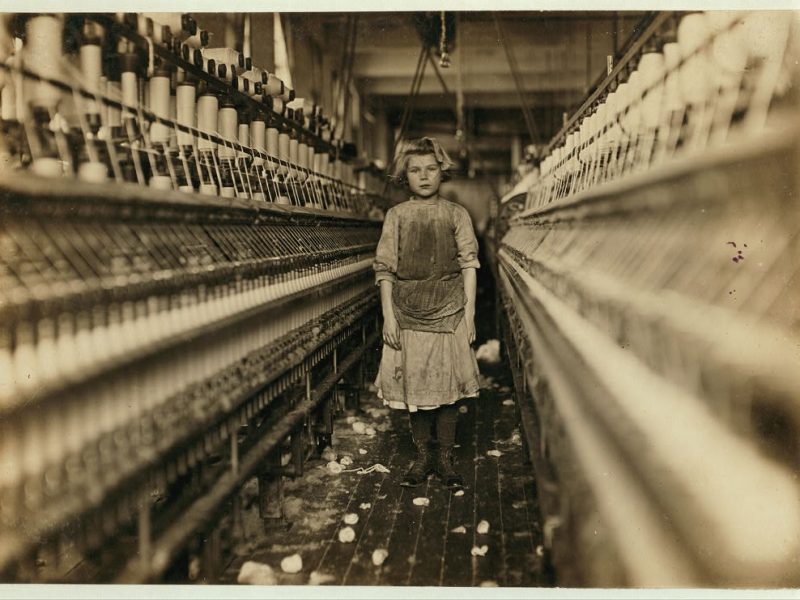
From cotton to cloud: In the data center debate, is rural Georgia once again being asked to carry the cost?
Across much of rural Georgia, the abandoned cotton warehouses and shrinking tax bases remain — enduring reminders that industries built to serve distant markets do not necessarily stay rooted in the communities that first sustained them.
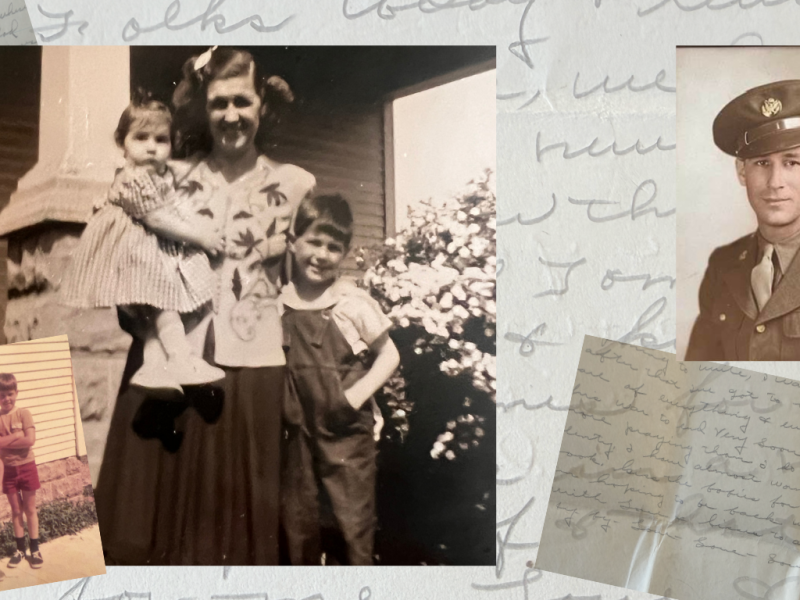
My Grandpa Was Killed in World War II. I Met Him Through His Letters Home
Gina Wolf’s grandfather died before she was born. His letters sent to her grandmother from Europe during World War II made it possible to know what kind of man he was.
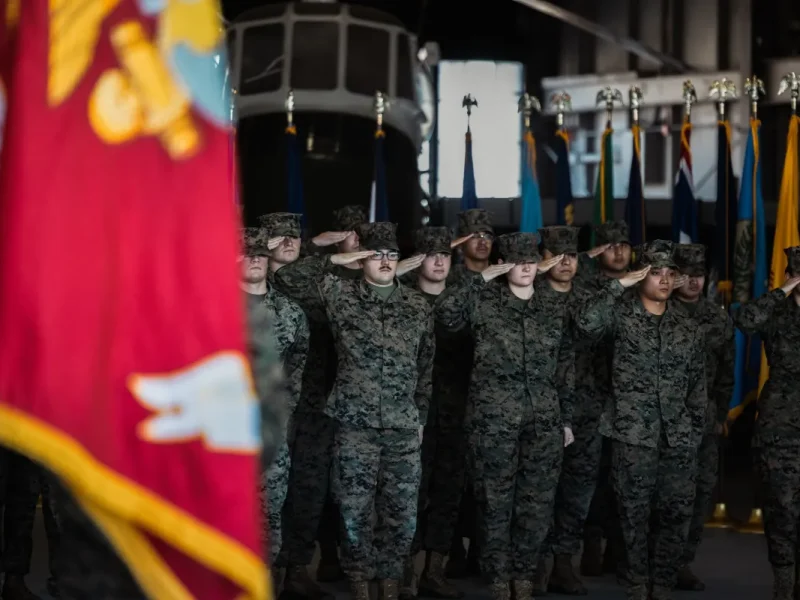
‘Sounds Like a Mutiny.’ Secret Recording Exposes Claims of Toxic Leadership After a Marine’s Suicide
This week’s War Horse story follows the systemic failures before and after the death of Cpl. Drew Mobley who was the third in two years at Marine Corps Base Quantico to die by suicide.
