
MARY BRASWELL: Looking back at Albany’s centennial newspaper edition
HISTORY: Albany turned 100 on Oct. 11, 1936
By Mary Braswell
On Oct. 11, 1836, land speculator and merchant Nelson Tift founded Albany on the banks of the Flint River to serve as a market for recently arrived cotton farmers. Planters and their laborers settled Southwest Georgia, which the state had recently acquired from the Creek Indians.
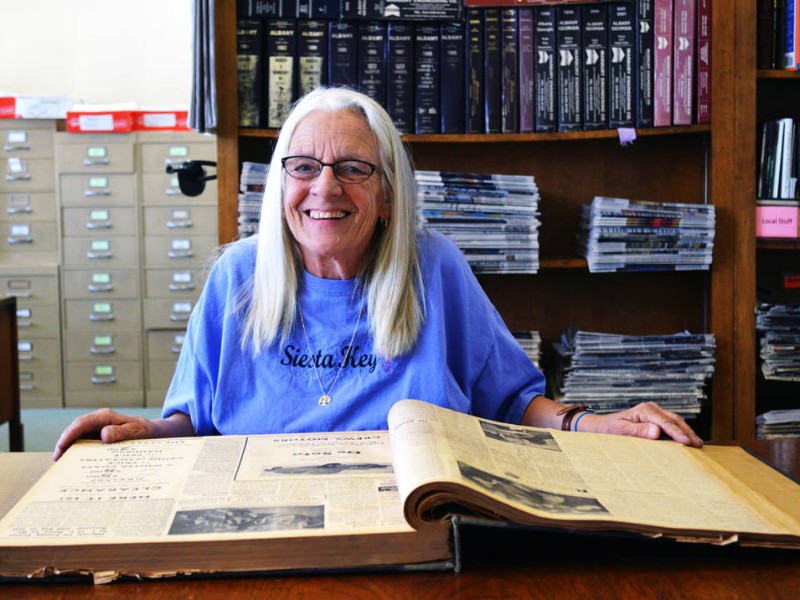
Here are a few history tidbits from The Herald as it celebrated Albany’s centennial in 1936 with a 140-page special edition covering education, businesses, religion and more. This column is part two of two.
—The Albany Peanut Company, established in 1920, occupied a spacious four-story building on Roosevelt Avenue and had the capacity to shell 10,000 tons of peanuts annually.
— In 1936, Dawson’s Presbyterian Church still occupied the original wooden building of the first congregation organized in March 1889. The church started with 17 charter members.
— Leesburg reported, that despite the Great Depression, there was not one commercial failure in the community since 1924.
— Albany’s neighbors in Camilla boasted of ample banking, thriving retail and wholesale houses, and successful manufacturing enterprises, including a hosiery mill, pecan crackery, oil mill, peanut plants, and a lumber and planing mill. The city’s total indebtedness was just $20,000 in 1936.
— From March 1 through Sept. 1, the Dougherty County Welfare Department spent a total of $2,783.04 in aid to residents. Those in true need were helped but those trying to take advantage of the department’s aid and proved not to be worthy of assistance were eliminated from the program.
— Dougherty was the first county in the United States to implement a malaria control program under federal supervision and with federal financial support. In the fall of 1929, the malaria index stood at 47.1 percent. By the spring of 1936, Dougherty’s malaria index was down to 1.1 percent.
— Byne Memorial Baptist Church was organized in January 1910 to meet the growing needs of north Albany. The church met for a time at the corner of Jackson and Society in a tent. A brick building was erected in 1911, given to the church debt-free by the wife and daughter of the late G.M. Byne. Charter members totaled 33. By February 1936, membership had grown to 675.
— Built by Albany’s founder Nelson Tift, the Bridge House served important roles during the Civil War. The roomy cellar spaces were converted into slaughter houses. It’s back yard was a slaughter pen. All kinds of meat was packed in pickle for feeding Confederate soldiers.
— St. Teresa’s Catholic Church on Residence Street is the oldest church building in Dougherty County. Bricks for the structure were hand-made by slaves on a plantation near Newton in 1859-60. With the exterior completed, work had just begun inside when news came of war. The young plasterer, Tom Churchill, laid down his trowel and rode off to join the Confederate Army. The building was used as a hospital for soldiers during the war.
— Under the direction of County Nurse Elizabeth Tarver, midwife classes were held in Dougherty County every other Thursday. Instruction included what to carry in a midwife bag, cleanliness of the mother and midwife as well as the newborn, rules for treating expectant mothers with syphilis, registration of births, and more. Average attendance was 24 each session.
— Albany Undertaking Company, owned by C.W. Thomas and his wife, Viola, was located in a modern facility at 323 Broad Ave. in 1936. Considered one of the best female morticians in the state, Mrs. Thomas handled the bodies of all women and children.
— Phoebe Putney Memorial Hospital was under the management of Superintendent Helen Blanchard during Albany’s centennial year. The hospital was self supporting with the city and county paying for charity cases. The three-story brick building had 50 beds, five bassinets and an operating room.
— Just before Albany’s 100th birthday, the most modern packing plant in the world opened in the city. Cudahy employed 200 people and had the weekly capacity to slaughter 1,000 cattle, 7,000 hogs, 350 sheep and 350 calves.
— One of Albany’s favorite eateries was Adams Inn on the Sylvester Highway, three miles outside the city. Fresh creek fish dinners and chicken dinners were quite popular, especially at just 50 cents for all-you-can-eat. Both a dining room and curb service were available.
— Haley Motor Company was incorporated in 1925. The Ford dealer, located in a four-story building at the corner of Jackson and Pine, sold 2,075 new cars and 3,613 used vehicles from 1929 to 1936. The building is now home of the Central Library.
— Albany Fire Department and its chief, D.W. Brosman, were well known across the nation for fire prevention records. Every year from 1924 to 1935, with the exception of 1927, the department was recognized as one of the best for its population size. After a first place and consecutive Grand Trophy winners, Brosman pulled out of the competition in 1927 to allow other cities a chance to win. The next year, 1928, AFD once again took first place in its class.
— By the time Albany turned 100, the school started by Dr. J.W. Holley in 1903 was chartered and named Georgia Normal and Agricultural College. The school included eight modern brick buildings and 150 acres. A report from Holley stated that of the more than 1,000 young people, graduates and former students at the school, none had been convicted of a serious crime and none were on the welfare rolls, even during the Depression.
— Albany’s Y.M.C.A. offered dormitory accommodations, Bible study classes, basketball, handball, swimming, a reading room and locker rooms with shower baths. Classes were also available for women and children.
QUIK QUIZ ANSWER: a) 1923
The first U-Save-it was located on Pine Avenue selling only gocery items. The store employed two clerks.
Each week Albany Herald researcher Mary Braswell looks for interesting events, places and people from the past. You can contact her at (229) 888-9371 or [email protected]. Follow @ABH_MBraswell on Twitter
Related Articles
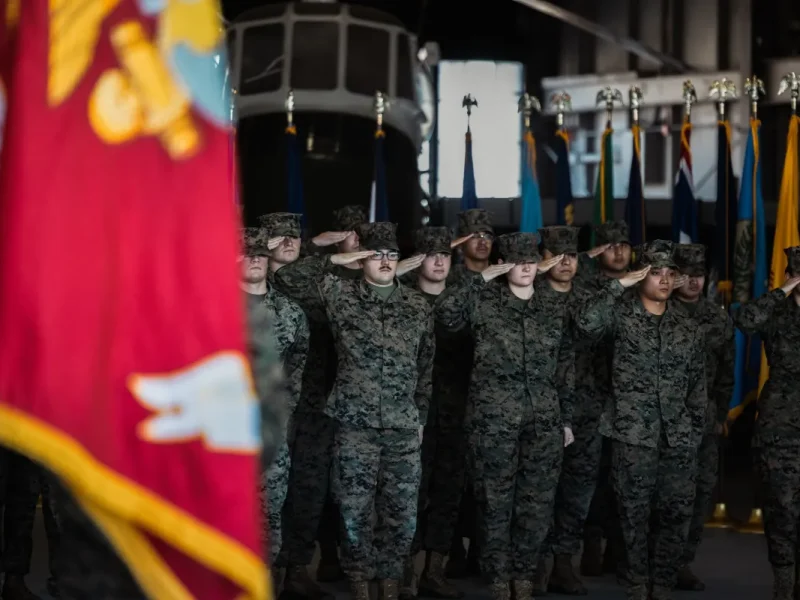
‘Sounds Like a Mutiny.’ Secret Recording Exposes Claims of Toxic Leadership After a Marine’s Suicide
This week’s War Horse story follows the systemic failures before and after the death of Cpl. Drew Mobley who was the third in two years at Marine Corps Base Quantico to die by suicide.
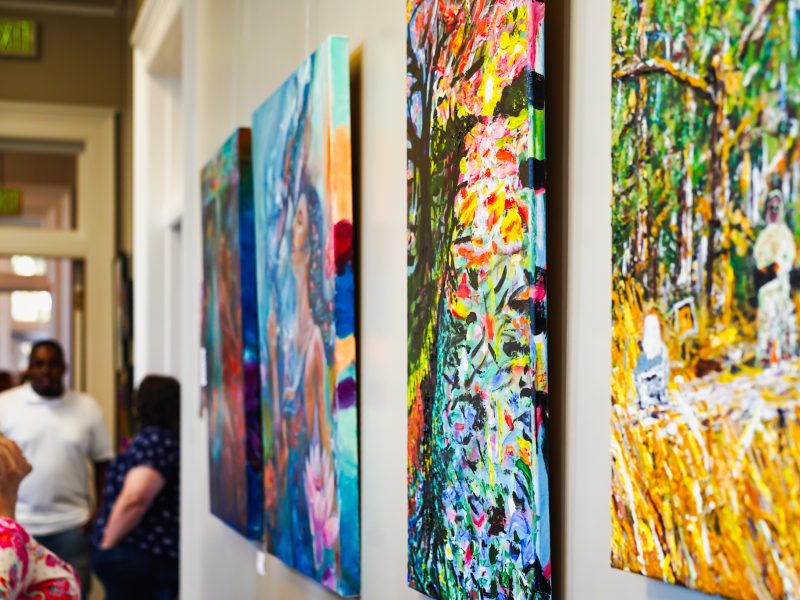
Southwest Georgia artists recognized at packed opening of exhibition
The annual juried exhibition, one of the region’s largest showcases of visual art, features approximately 46 artists and nearly 90 works spanning painting, sculpture, ceramics, photography and mixed media.
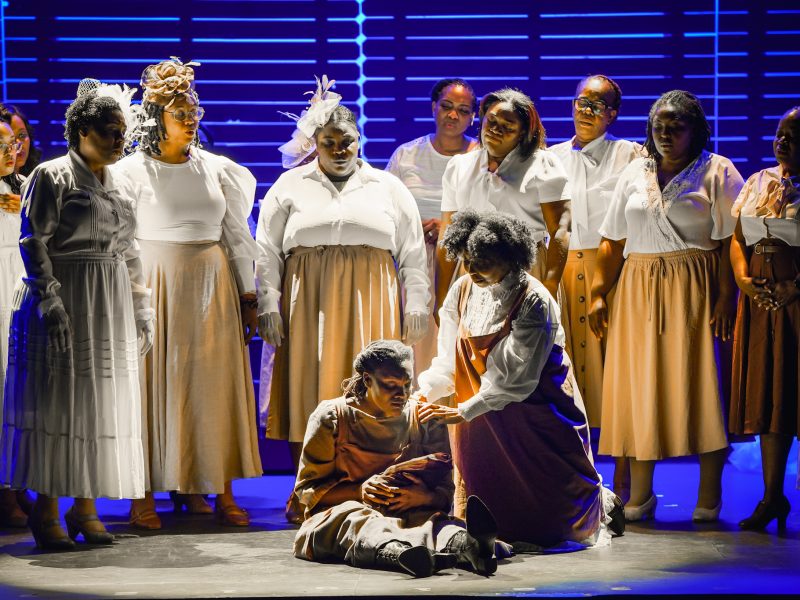
Powerful performances drive Theatre Albany’s ‘The Color Purple’
From the street, strands of purple ribbon wind around the white columns of the historic theater, hinting at the story waiting beyond its doors. Inside the foyer, a carefully curated slideshow flickers across a large screen, cycling through the faces of the cast. Some are seasoned performers. Others are stepping onto a stage for the very first time. Teachers stand alongside former students. Parents perform beside their children. People who worship in different churches, work different jobs and come from different corners of Southwest Georgia gather beneath the same lights to tell the same story.
