
MARY BRASWELL: Looking back at January 1911
HISTORY: News from the paper early 1911
By Mary Braswell
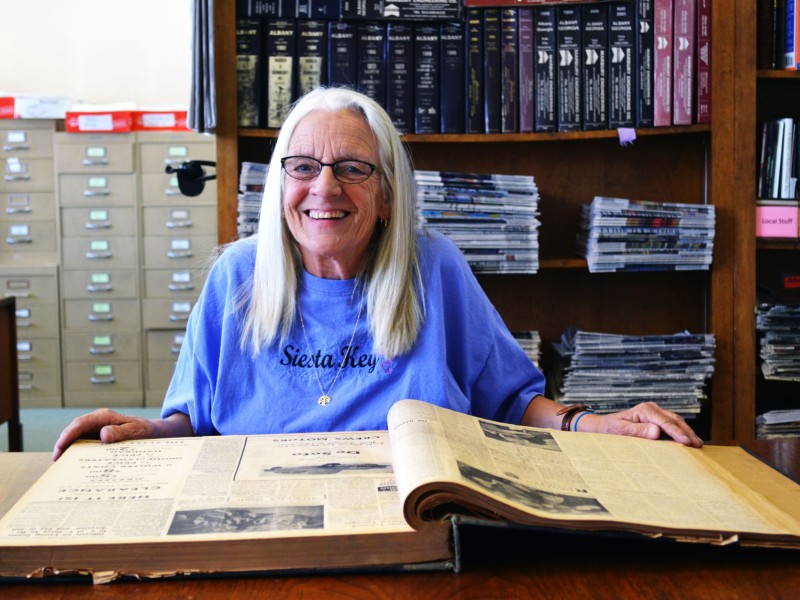
This week is a look back through the pages of the Albany Herald in January 1911. Keep in mind there were few sources of news, especially national and world, during this era with the most important being, of course, the newspaper.
—On Jan. 9, the DuPont Powder Co. planned a stump-blasting demonstration at the farm of J.P Whitaker in Leary. DuPont was promoting dynamite blasting as the fastest and easiest way to clear land.
— The Citizens First National Bank of Albany boasted capital, surplus and deposits of $235,000.
— Because of the epidemic of measles in Albany, school did not resume on the first Tuesday of the new year as scheduled. It was estimated that 50 percent of the households within the city with children either currently or within the last two weeks had one or more cases of the disease.
— C.M. Shackleford advertised fat pigs to barbecue for 13-cents per pound.
— Dorsett and Passmore, managers of Cash Dental Parlors located in the Davis Exchange Building, had sets of teeth for just $7.50.
— J.J. Battle of Battle Brothers (mules and horse) brought from Tennessee a train load of mules including two carloads of heavy road mules, turpentine mules and others adapted to all all classes of heavy work. Dealing in cash, the Battle Brothers stables sold each animal for $25-$50 less than their competitors in Southwest Georgia.
— From an ad: “People who drink Coca-Cola do not have to swear off every year. Bottled Coca-cola is a pure, harmless beverage that acts like a charm upon the tired body or fatigued brain.”
— As a new Albany City Council was seated for 1911, much business was undertaken at the first meeting. Monthly salaries were set by the council as follows: Fire Chief, $155; Assistant Fire Chief, $75; four firemen, $65; Day Engineer for the electric light and water plant, $100; night engineer and linemen, $80, and City Engineer, $125 plus $10 horse feed allowance.
— Rules for near beer saloons remained the same in 1911 as the previous year. Licenses for such establishments cost the owner $500 for the year. Also, all such establishments were required to be within the fire limits of the city and allowed admittance to no minors or females.
— Lee County got 1911 off to a good start when the newly seated commission learned that the county was carrying absolutely no indebtedness and had a bank account containing $10,000. The top priority for the new year was to straighten and grate the road from Leesburg to Smithville.
— With heaters being installed but not yet ready, there was no service held in the Byne Memorial tents on Jan.5.
— The 13th U.S. Census numbers revealed that 1910’s population in Albany showed an increase of 77.8 percent from 1900 to 1910. The jump placed Albany, previously fourth, into the top spot among Southwest Georgia cities, displacing Valdosta, Americus and Thomasville.
— A new shipment arrived of red rubber hot water bottles of the “Kant Leak” kind at Albany Drug Co., just in time for cold weather.
— Two men housed in a cell together at the Dougherty County Jail were caught just before they made an escape. When first arrested, one of the men had small hacksaws in this shoes, which had not been searched by the deputy. After two nights of sawing, the two men were able to cut through the bars of the cell. Both were removed from the ground-floor cell and placed in a condemned second-story cell.
— The new public school for children of Albany Cotton Mills’ workers was expected to open the first week in February. Nearing completion, the cotton mill had its own electric plant. Lights were turned on for the first time on Jan. 23 and 600 incandescent bulbs lighted the enormous space.
— Of national note, the Gardner Bill, which prohibited admission into the United States of any illiterate alien over 16 years old, met with a favorable report by the House by the Committee on Immigration.
— At the yard of Cruger & Pace were No. 2 bricks available for $3.50 per 1,000.
— The Southwest Georgia Development Co. in Arlington had the following parcels for sale: 100 acres in Arlington with the Georgia Railroad running through it, $45 per acre; 458 acres of rich land in the county, $20 per acre, and 3,000 acres for $12 per acre.
— Mary Harris Armor, known for her lectures and campaigns for prohibition, broke at least three records in Albany in one evening. First, she drew the largest crowd in the history of the Methodist Church. Many were turned away simply because they could not get through the doorways. Second, in the course of just a few minutes, Armor raised $500 from the crowd to support more prohibitory laws in Georgia. Third, so inspiring was her lecture that the crowd forgot its whereabouts and that it was Sunday and broke into a hearty applause.
— A convict, known as Sam, escaped from the Lee County chain-gang. Apparently Sam knew about the county’s tracking hounds and stole the whole lot of dogs on his way out of the county.
— Housing was in high demand in the rapidly growing Albany. A new four-family apartment building on Jefferson, south of Broad, had 10 applicants before the first brick was laid.
QUIK QUIZ answer: d) coffin dealers, opera houses and junk shops
Others a) $10; b) $50; c) $5
Each week Albany Herald researcher Mary Braswell looks for interesting events, places and people from the past. You can contact her at (229) 888-9371 or [email protected]. Follow @ABH_MBraswell on Twitter.
Related Articles

‘Sounds Like a Mutiny.’ Secret Recording Exposes Claims of Toxic Leadership After a Marine’s Suicide
This week’s War Horse story follows the systemic failures before and after the death of Cpl. Drew Mobley who was the third in two years at Marine Corps Base Quantico to die by suicide.

Southwest Georgia artists recognized at packed opening of exhibition
The annual juried exhibition, one of the region’s largest showcases of visual art, features approximately 46 artists and nearly 90 works spanning painting, sculpture, ceramics, photography and mixed media.
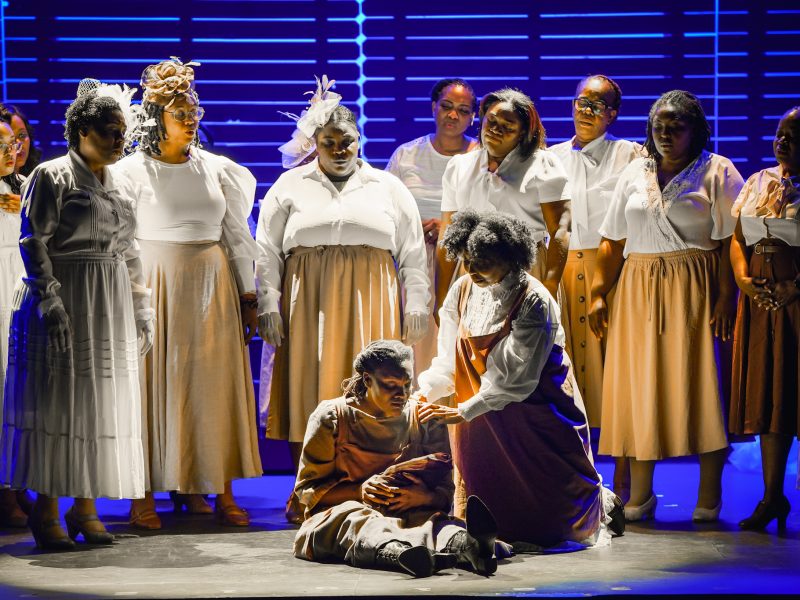
Powerful performances drive Theatre Albany’s ‘The Color Purple’
From the street, strands of purple ribbon wind around the white columns of the historic theater, hinting at the story waiting beyond its doors. Inside the foyer, a carefully curated slideshow flickers across a large screen, cycling through the faces of the cast. Some are seasoned performers. Others are stepping onto a stage for the very first time. Teachers stand alongside former students. Parents perform beside their children. People who worship in different churches, work different jobs and come from different corners of Southwest Georgia gather beneath the same lights to tell the same story.
