
MARY BRASWELL: The insanity of mental health care in Georgia
HISTORY: Overcrowded and understaffed, care for the mentally ill takes a nose dive in Georgia
By Mary Braswell
Second of a two-part series.
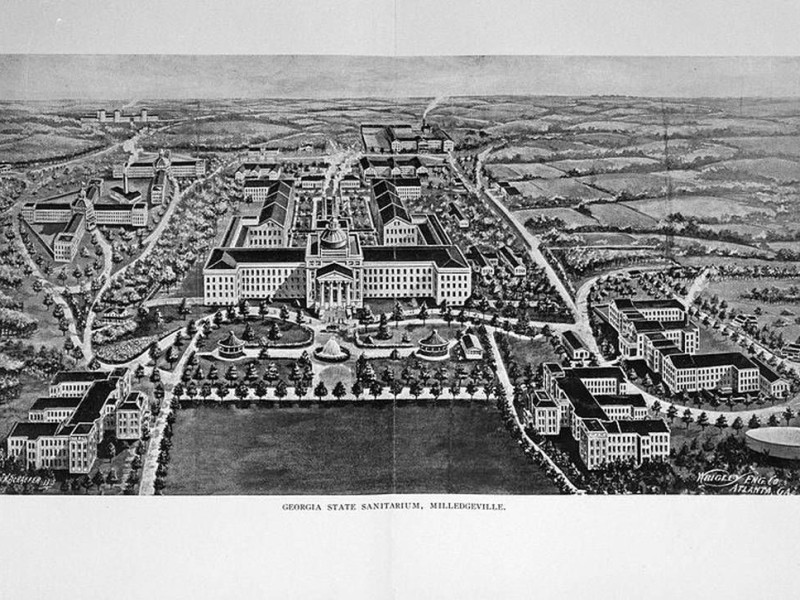
The (Dr. Theophilus) Powell administration (1874-1907) at the insane asylum in Milledgeville saw some of the institution’s best years. Attendants were trained, inspections were frequent, the grounds were carefully tended and discipline was enforced for all. Daily reports were required. Recreation was expanded to include concerts, billiards, picnics, dances, theatrical performances and more. Church services were held twice weekly. The insane pauper was given a decent burial. Powell led by the axiom “The patient comes first.”
— The asylum’s name was changed to the Georgia State Sanitarium in 1897. The new name implied a place of rest and recovery. For many, that was exactly what happened.
— By 1910, the facility was overcrowded. For 12 physicians, there were 3,347 patients. Reports of abuse, unsanitary conditions and seclusion began to leak out to the public.
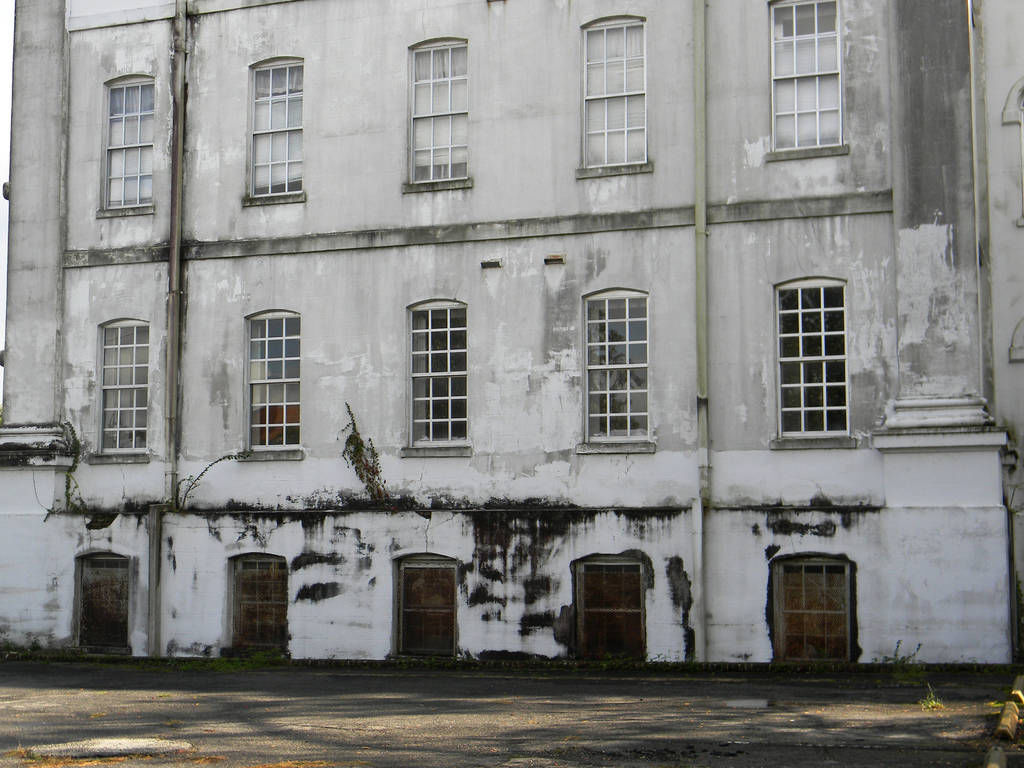
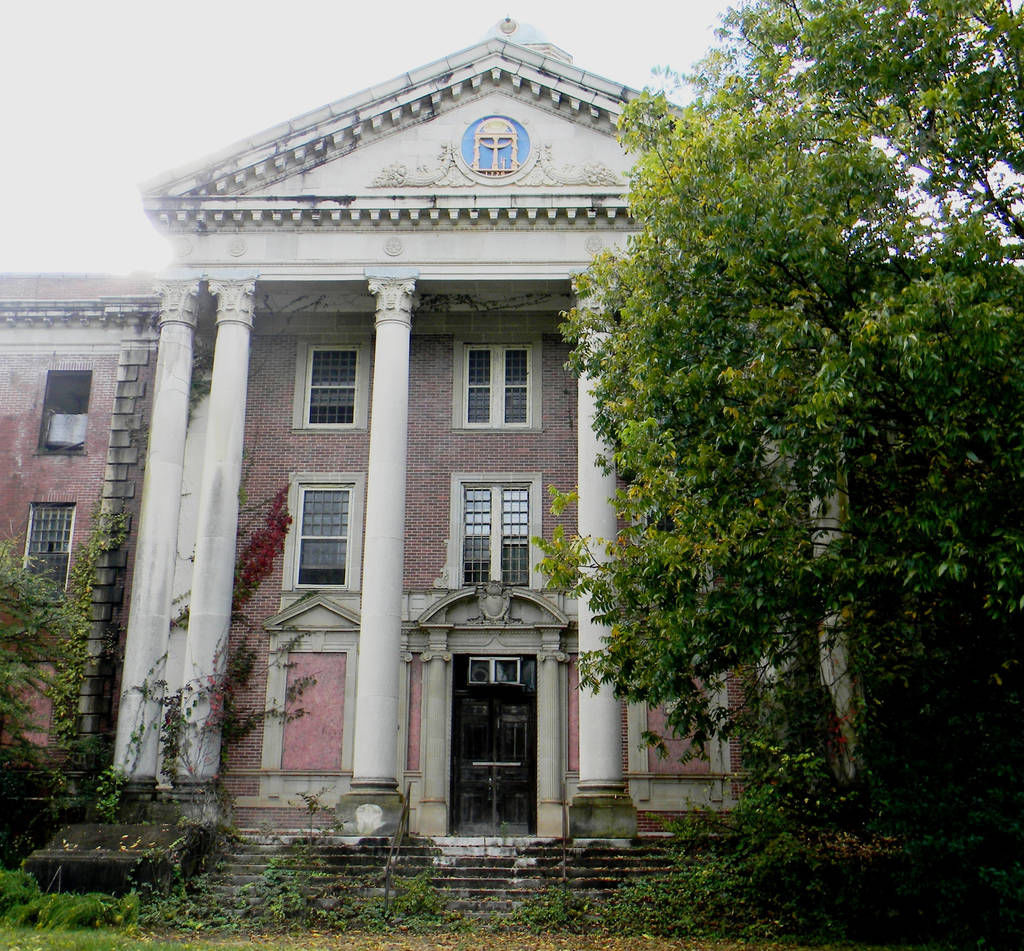
— In 1929, the institution’s name was once again changed. Milledgeville State Hospital had become a city unto itself with 6,000 patients and just 10 physicians. Buildings were deteriorating and unsafe. The state reacted by purchasing 132 more acres of land and building four brick buildings, including a ward specifically for tuberculosis patients. Meanwhile, 800 acres were farmed and produced most of the facility’s needed food.
— Once into the Great Depression, funding was deeply cut. Entire families from the town worked at the hospital. During the Depression, households were limited to two positions each.
—-
QUIK QUIZ
From the years spanning 1908 through 1923, on average, how many patients died annually at Georgia State Sanitarium?
a) 235
b) 350
c) 515
d) 600
Answer at the end of the column.
—-
— In 1937, Georgia became the last of 32 states to enact a eugenics law. At the hospital, involuntary sterilizations began. A patient, rarely informed of the right, could appeal the ruling by the state Eugenics Board. None ever did. The practice continued until 1963, sterilizing about 3,300 Georgians, three-fourths of which were psychiatric patients.
— Treatment using insulin grew in the last years of the 1930s. Insulin overdose induced comas. At least 400 schizophrenic and manic-depressive patients were given this treatment, sometimes more than once. About half of the patients returned home as restored or improved.
— World War II caused the loss of staff, especially physicians. At about the same time, electric shock therapy became an everyday occurrence at the hospital. Maniacal patients were quiet after treatment, and the entire hospital was easier to operate.
— By 1942, the medical staff numbered only 15. The patient population was nearing 10,000. Nurses and attendants were required to decide who needed shock treatment. Both staff and patients were unsure if the “Georgia Power Cocktail” was treatment or punishment.
— In the absence of a physician, nurses performed a variety of treatments and, at times, even surgery. The average work week for nurses was 60-70 hours per week. The salary was about $75 per month.
— As the 1940s progressed, shock therapy was done on a mass assembly basis. Insulin shock was also still in use.
— In 1951, physicians began performing lobotomies. A long metal pick was inserted behind the eye to sever fibers connecting the frontal lobe with the rest of the brain. At Milledgeville, 125 severely ill patients were lobotomized. Of that number, 24 returned home. There is no report available concerning the other 101.
— A much more humane treatment, unless deliberately abused, was that of hydrotherapy. Warm continuous baths were used to treat patients suffering from insomnia as well as those considered to be suicidal or violent. The bath calmed excited and agitated behavior. Warm baths in 92- to 97-degree water in a quiet, semi-dark environment worked best. Ice baths were sometimes used to shock the body in a less than humane effort to treat the mentally ill.
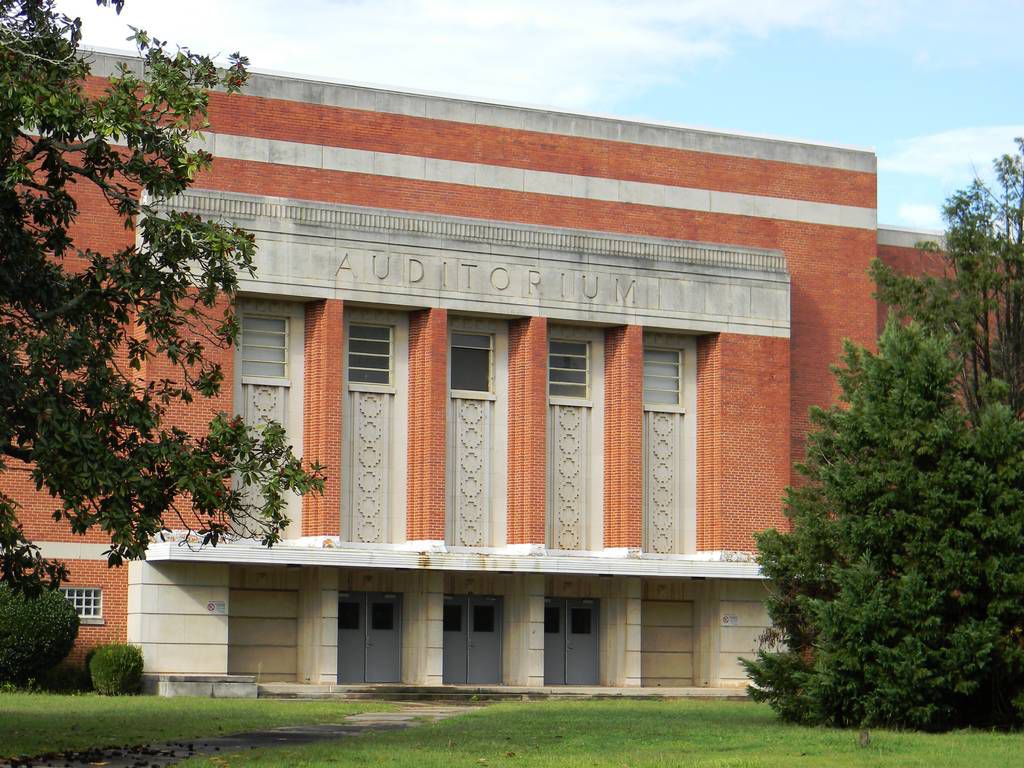
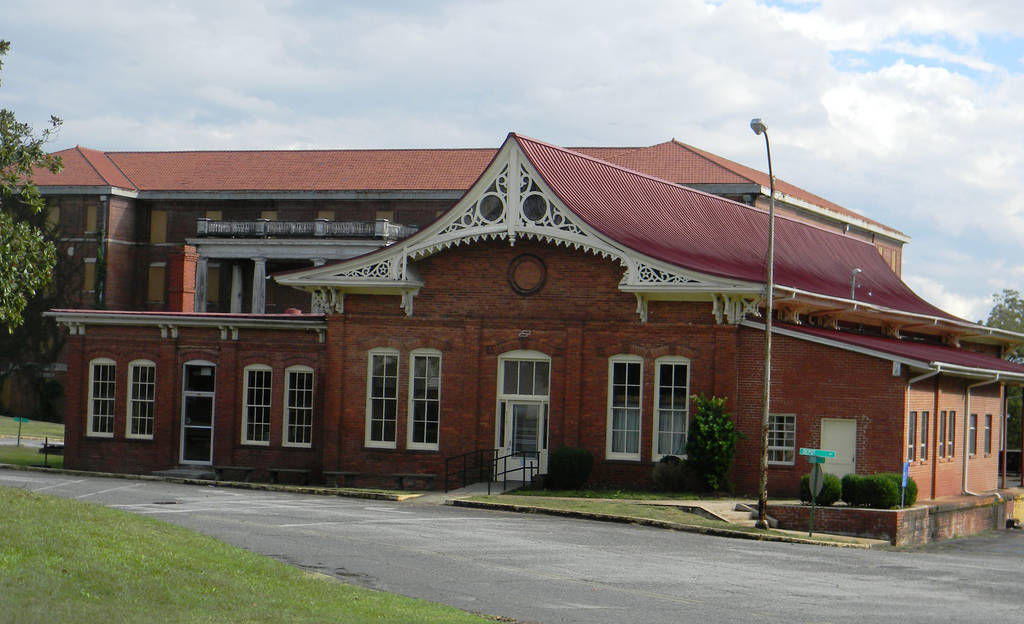
— By the 1950s, the hospital cared for the insane, the “retarded,” the old and the sick, as well as children. With about 200 buildings and 2,000 acres, the small city had a post office, police and fire departments, churches, a beauty shop, store, auditorium and more.
1959 and beyond
— Until 1959, little public attention was focused on Milledgeville State Hospital. A number of patients still benefited from a stay and treatment, later returning home. And then reporter Jack Nelson exposed the ugly side of the facility.
— Reports from Nelson, a writer for the Atlanta Constitution, documented abuses never before brought to light. A sampling of such issues included nurses performing major surgery without supervision. Patients were left unattended for long periods. As few as 48 doctors were responsible for 13,000 patients. Not one psychiatrist was on staff. Of the physicians, one-fourth had a history of drug and/or alcohol abuse. Some physicians were hired directly off the hospital wards after receiving treatment themselves.
— The Pulitzer Prize-winning work of Jack Nelson spurred many reforms and additional funding. The hospital, however, would never return to its better days. By the late 1960s, the state opened six regional psychiatric hospitals and thousands of patients left Milledgeville.
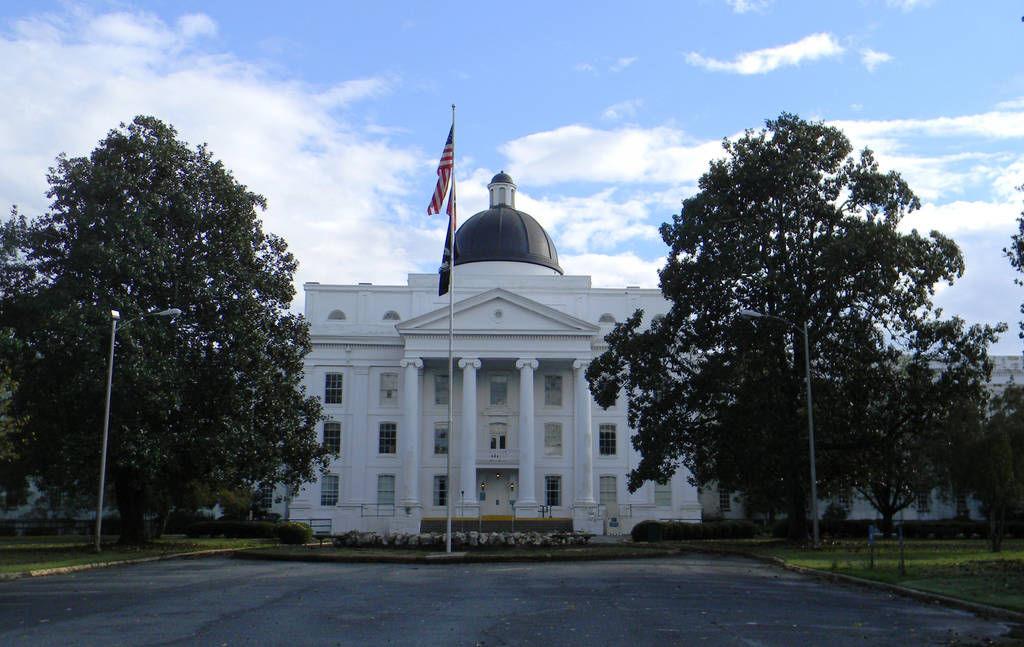
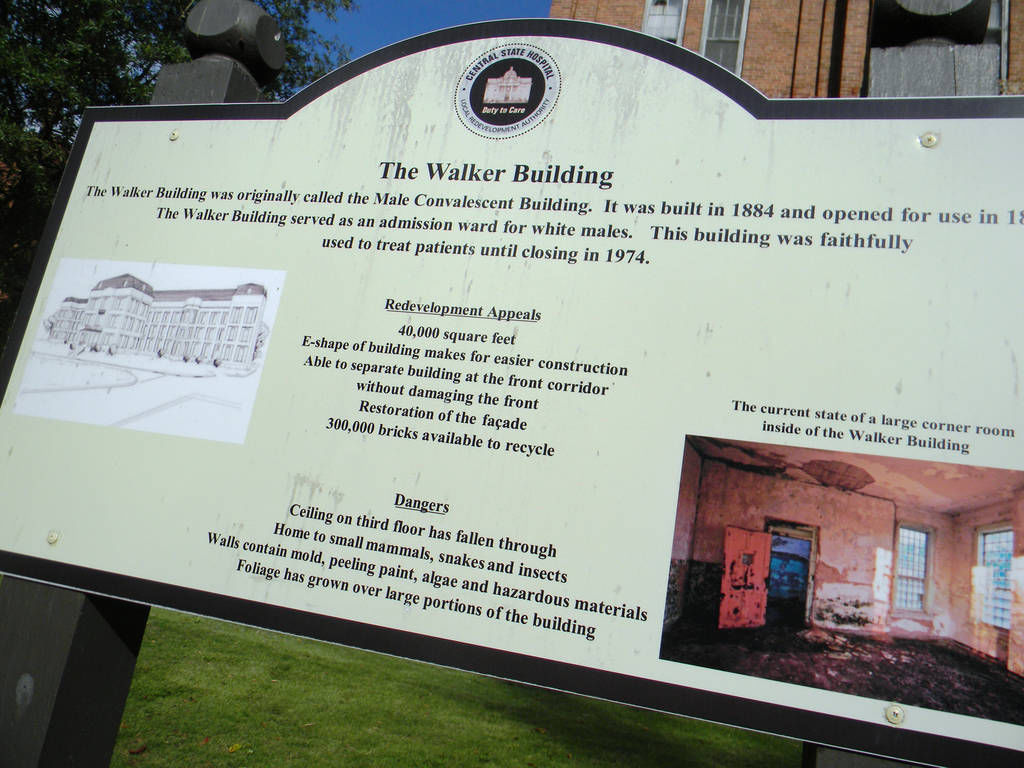
— In 1967, the facility was again renamed. Central State Hospital, greatly downsized, remained a refuge for some, a prison for more.
— Forty years later (in 2007), a report, again in the Atlanta Journal-Constitution, stated there were 190 deaths in state hospitals under “suspicious circumstances.” Forty-two were at Central State. Another 190 cases of abuse of patients by staff were confirmed. The U.S. Department of Justice opened an investigation of all seven of Georgia’s state psychiatric hospitals.
— In 2010, the Georgia Department of Behavioral Health and Developmental Disabilities announced the closure of Central State Hospital. Remaining patients were placed in the community, with family, in other facilities and nursing homes.
Cedar Lane Cemetery
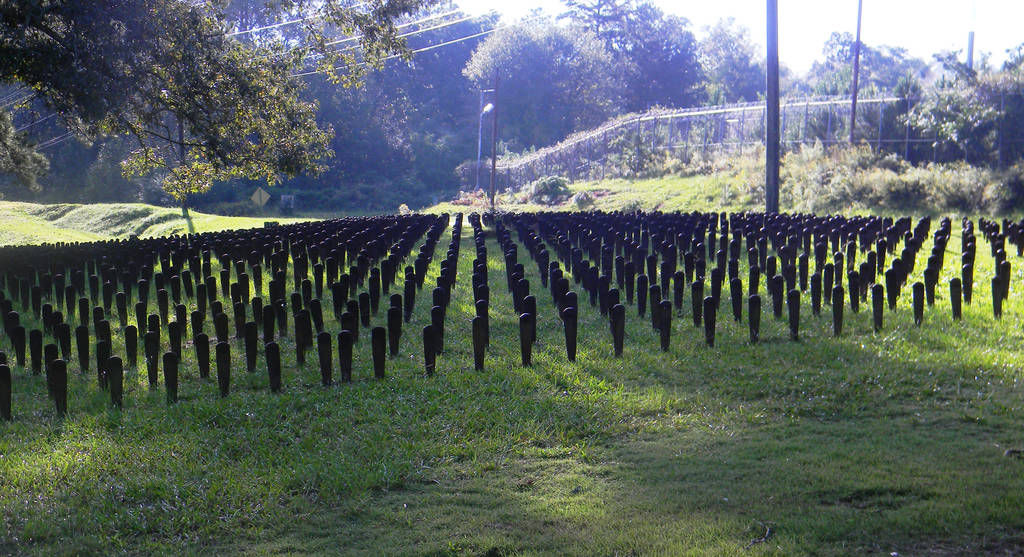
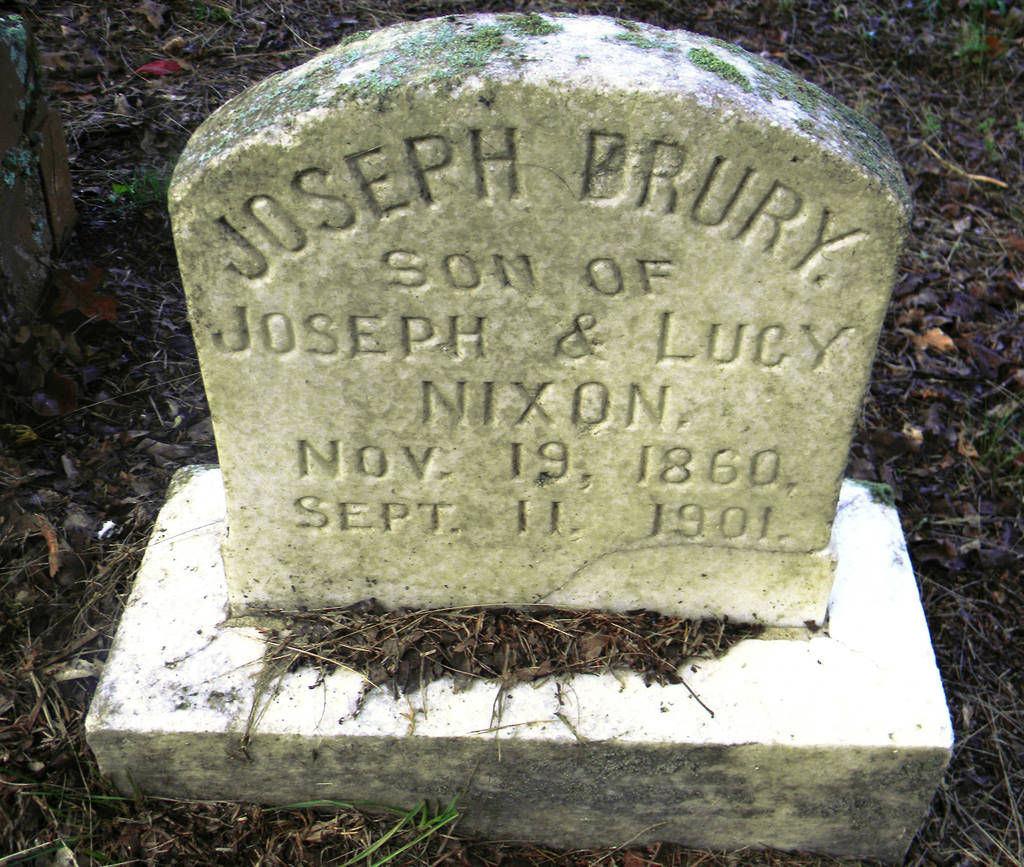
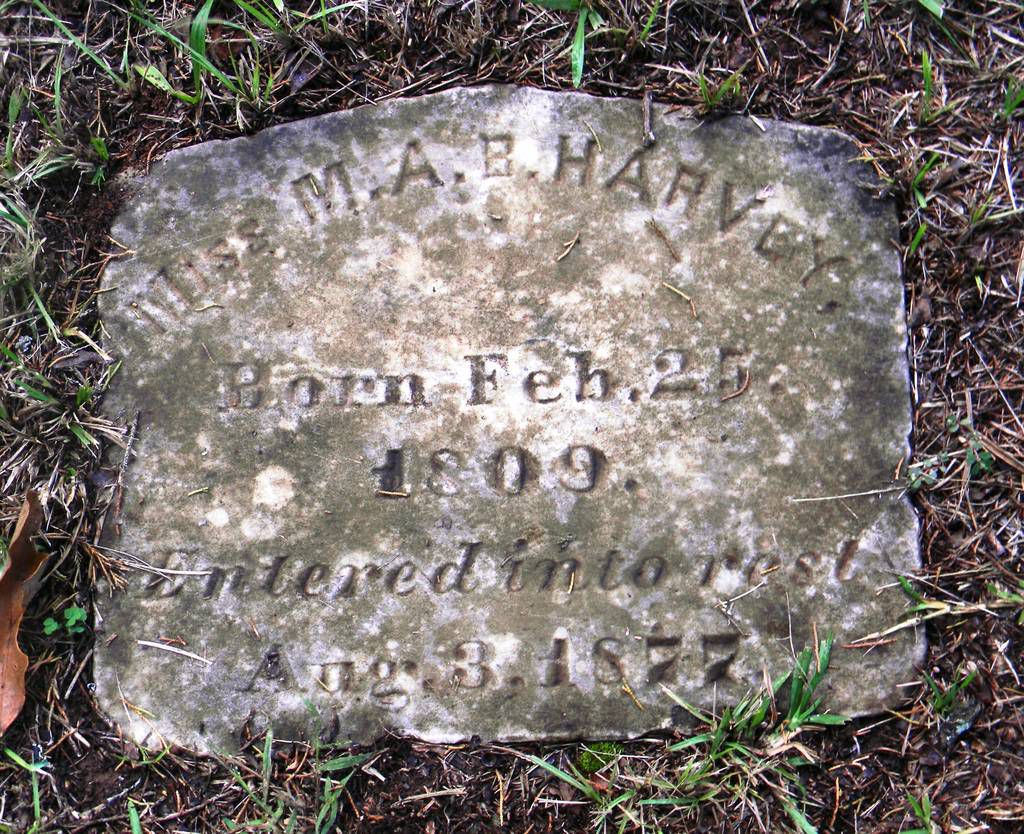
— Whether by family choice or as an unclaimed body, approximately 25,000-30,000 graves are on the grounds of what began as Georgia’s Insane Asylum. So many patients lived so many years at the hospital, they were often left unforgotten in death. The hospital ran its own mortuary and employed carpenters whose only job was to build caskets.
— A walk through the mostly wooded cemetery reveals small and large granite markers obviously placed by family. Graves provided by the hospital were marked with a small metal, numbered stake. Patient/grave numbers were recorded by the hospital.
— In the 1960s, groundskeepers, weary of mowing around the markers, simply pulled up an estimated 10,000 stakes and tossed them into the woods.
— In 1997, volunteers worked to identify as many graves as possible. A memorial consisting of 2,000 markers can be seen today at the cemetery. Walking from those markers, an untold number of the forgotten dead remain underfoot.
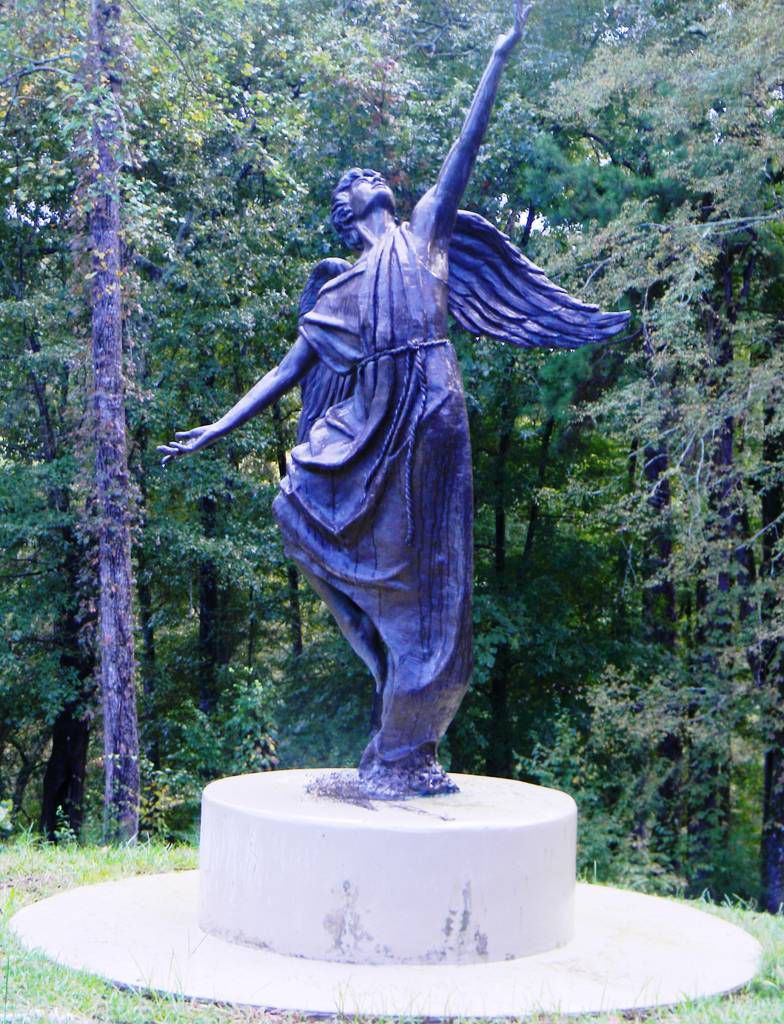
— Just south of the memorial markers stands a life-sized bronze angel watching over the many graves. In its base is entombed a list of the names known to be buried nearby.
Each week Albany Herald researcher Mary Braswell looks for interesting events, places and people from the past. You can contact her at (229) 888-9371 or [email protected]. Follow @ABH_MBraswell on Twitter
QUIK QUIZ answer: d) 600 Note: This does not include deaths from the influenza epidemic of 1918.
Related Articles
My Grandpa Was Killed in World War II. I Met Him Through His Letters Home
Gina Wolf’s grandfather died before she was born. His letters sent to her grandmother from Europe during World War II made it possible to know what kind of man he was.

‘Sounds Like a Mutiny.’ Secret Recording Exposes Claims of Toxic Leadership After a Marine’s Suicide
This week’s War Horse story follows the systemic failures before and after the death of Cpl. Drew Mobley who was the third in two years at Marine Corps Base Quantico to die by suicide.

Southwest Georgia artists recognized at packed opening of exhibition
The annual juried exhibition, one of the region’s largest showcases of visual art, features approximately 46 artists and nearly 90 works spanning painting, sculpture, ceramics, photography and mixed media.
