
Millsaps: Albany can get in on Hollywood bonanza
Successful Albany-based producer says infrastructure, not bricks and mortar, can entice movie industry
By Carlton Fletcher
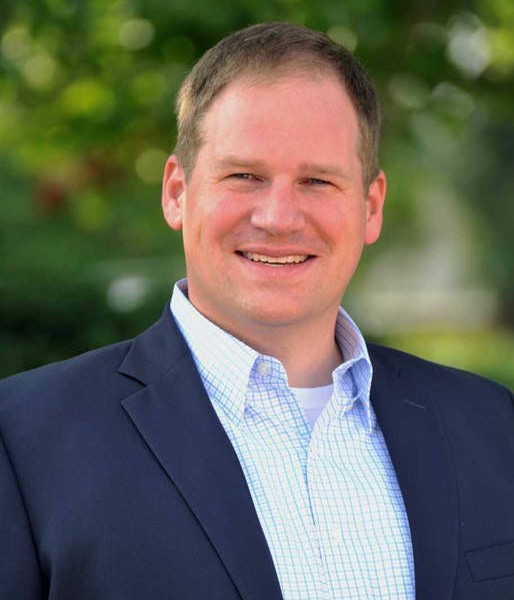
ALBANY — Patrick Millsaps has a suggestion for Albany and Dougherty County elected officials who might be considering sinking some $3.75 million in taxpayer funding into development of “that domed movie studio” idea that is being floated.
Don’t let the “pixie dust” fool you.
Millsaps, a former attorney who now masterminds Londonderry Entertainment — a tri-armed entertainment collective that includes Londonderry Films, Londonderry Tales (which deals with TV and digital entertainment) and O Squared, a marketing arm — from his Albany home as well as offices in Beverly Hills and New York, said during a conversation with The Albany Herald that he was stunned by the proposal put before both the Dougherty County and Albany City commissions as a legitimate means of grabbing a piece of the $9.5 billion entertainment pie that Georgia reaped last year.
“Look, no one wants to see some of that Hollywood magic — and money — down in Southwest Georgia more than I do,” Millsaps said during a frank conversation about this region’s future in an industry that has embraced Georgia — and its friendly tax breaks — in a big way in recent years. “But from what I’m hearing, the proposal that was put before the local governments came from someone who has a total lack of understanding about how to make a movie.
“Governments do not need to get into the bricks-and-mortar of the movie business. If anyone has a conversation about a movie studio and their conversation starts with, ‘Can you give me …?’ that conversation should end right there. Listen, there is so much money in this business, if you can’t build a project with private money, you’re doing it wrong.”
Lydia McGee, of CineDome Studios, presented the bones of an elaborate studio project months ago before the Dougherty County Commission, selling the concept with the famous “Field of Dreams” line, “If you build it they will come.”
When she upped her presentation before the Albany City Commission last week, providing detailed plans for a domed structure that she said would entice moviemakers to look to this area, Ward III Commissioner B.J. Fletcher asked the question that everyone seemed to be avoiding.
“How much is this going to cost, and what are you asking of us?” Fletcher said.
McGee replied, “The project will cost $7.5 million, and I would like to get half of that cost from the city and county.”
Millsaps, who has already produced and/or executive produced three film projects — 2015’s “I’ll See You in My Dreams,” which starred Blythe Danner and Sam Elliott and debuted at the prestigious Sundance Film Festival; “Finding Noah,” a documentary about the search for Noah’s Ark narrated by Gary Sinese, and “Wild Man,” which stars Kate Upton and is slated for release in the fall — said he hopes local officials aren’t misled by what he called the “fairy dust” of McGee’s plan.
“Frankly, that whole dome thing is a waste of money,” he said. “Movies just aren’t made that way anymore. Anyone who thinks decisionmakers in Hollywood are going to say, ‘They’ve got domes in Albany, let’s go shoot there.’ is fooling themselves.
“Look, I’m not giving anything away — it’s in the trailer if you haven’t seen the movie — but one of the most memorable scenes in the new ‘Spider-Man’ movie is the one where he holds back the Staten Island Ferry. That replica (of the ferry) was built in the parking lot of Pinewood Studios (in Atlanta). You could actually call up Google Maps and see it. They use computers for the big effects that you see in movies.”
Millsaps, who is in the process of searching for property in Dougherty County to serve as Londonderry’s home office (“So I can have a Dougherty County address when I send stuff to movie studios and so that when I talk on the phone with people in Hollywood and New York they don’t hear my dogs and goats in the background.”), said McGee is right in one respect — Southwest Georgia can get in on the bonanza that the film industry has provided the state.
“Look, you do things the right way, starting with infrastructure,” he said. “And part of that infrastructure is the human element, people. You build a local crew — carpenters, electricians, camera operators — by educating them through a program at Albany Technical College and Albany State (University). While you’re training the crew, you create a demand for something greater than the supply that exists in Atlanta. Like a post-production or editing facility.
“I guarantee you, the traffic in Atlanta is a huge issue with movie production right now. And there is a demand for post-production facilities. You provide that here, and the folks in Atlanta would not mind a three-hour drive down or a plane trip here or to Tallahassee.”
And, as in the real estate business, Millsaps said, location is another factor in this region’s favor.
“The state has a book that lists available locations, most of them around Atlanta and Savannah,” he noted. “We create one here — or put it up on a website — showing them the rivers, the trees, the land, all the different houses, small towns and attractions that are available within a 60-mile radius of the local airport.
“Once we get some of that going, we find a TV talk show that’s being filmed in L.A. to move here. Now we have an anchor tenant. And once we get people coming here, we make them fall in love with our community.”
Millsaps is no name-dropper, but he does let The Herald in on plans of a Hollywood A-lister who is shopping a project that Millsaps says would be perfect for Albany.
“Look, there is a high school that isn’t being used right now (Albany High) that would be the perfect setting — actually, if the folks in Hollywood found out that space is available, they’d probably be down here anyway … schools are used a lot,” he said. “Here would be my ask from the city and county to bring that project here: I need electricity in that school and the use of it for two months. And I need for police to make a couple of swings by the set each day as a security measure. That’s it.
“I would not ask the local government for any capital outlay. That’s really what the movie industry wants from a community like ours: services. They want ingress and egress, which might require a conversation with the DOT. They want security, power. Those are the incentives that would bring them here. Look, there’s no need at this point for a bricks-and-mortar facility. You crawl before you walk, get the infrastructure in place. Then you get them here, because what I’ve seen over the years is that Hollywood loves Georgia crews and Georgia people.”
Asked if his vision of bringing Hollywood to Southwest Georgia is not an organic process, Millsaps quickly says no.
“Oh, no, you have to have a very specific plan,” he said. “But it’s a five-year plan. And it’s not one that can come from some wild dream. You have to be in the movie business to really understand.
“Can Albany become part of Georgia’s film success? Absolutely. But can it accomplish this overnight? Absolutely not. What a community can do to help is not give its hard-earned money, it can help develop hotels, catering businesses, train crews that can make a really nice living providing necessary services. The taxpayers shouldn’t be putting up their money. It should be the other way around.”
Author
Related Articles
From cotton to cloud: In the data center debate, is rural Georgia once again being asked to carry the cost?
Across much of rural Georgia, the abandoned cotton warehouses and shrinking tax bases remain — enduring reminders that industries built to serve distant markets do not necessarily stay rooted in the communities that first sustained them.

My Grandpa Was Killed in World War II. I Met Him Through His Letters Home
Gina Wolf’s grandfather died before she was born. His letters sent to her grandmother from Europe during World War II made it possible to know what kind of man he was.

‘Sounds Like a Mutiny.’ Secret Recording Exposes Claims of Toxic Leadership After a Marine’s Suicide
This week’s War Horse story follows the systemic failures before and after the death of Cpl. Drew Mobley who was the third in two years at Marine Corps Base Quantico to die by suicide.
