
PERRY BUCHANAN: Understanding how exercise changes us
HEALTH & FITNESS: Part of exercising is knowing what to expect
By Perry Buchanan
We all know that exercise is good for us and it makes us feel better, but when we understand the why, not just the what, it makes sticking to a program a lot easier. This article will explain what happens when you work out and how it relates to the benefits you are seeking. From the brain to the lungs, here’s a look at what happens in the body when we exercise and the physiological effects of exercise on the body.
Muscular Adaptations and Circulatory Changes: The body calls on glucose, sugar the body has stored away from the foods we eat in the form of glycogen, for the energy required to contract muscles and allow movement. Exercise develops more mitochondria, the cellular powerhouses that use oxygen to convert glycogen to usable energy known as ATP (adenosine triphosphate). With more mitochondria, you can produce more energy. The increased flow of blood to the muscles increases the exchange of oxygen, the release of heat, and the removal of metabolic wastes such as lactic acid and carbon dioxide.
Even when you’re safely lifting weights, you’re tearing your muscles. There’s microscopic damage to the muscles each time you work out. It sounds bad, but it’s actually good. The muscle responds by repairing itself and that makes the muscle stronger than it was before. This is what causes the soreness you experience when just beginning a new program. It usually lasts for 24-48 hours and is called delayed onset muscle soreness. Minor to moderate pain or soreness is considered normal. Severe pain, however, is not normal, and is usually an indication of overexertion.
Heart: The most important muscle that adapts to exercise is the heart. During exercise, it pumps blood containing oxygen, fluids and nutrients to the active muscles. Blood flow then drains the metabolic waste products away. The more blood pumped, the more oxygen is available to the exercising muscles. This increased efficiency will also reduce your resting heart rate. Your blood pressure will also decrease as a result of new blood vessels forming. During exercise, the arteries dilate in the working muscles and blood flow increases through the smallest capillaries, which were previously closed. The heart adapts to aerobic exercise over time so it can pump more blood per stroke. In untrained people who exercise, cardiac output can increase to four times resting capacity. This is brought about not only by an increase in heart rate, but also by a training induced increase in the amount of blood ejected with each heartbeat, known as stroke volume.
Lungs: Your muscles require up to 15 times more oxygen while exercising than when you’re at rest. Once your lungs cannot move any faster, you’ve reached what’s called your VO2 max (your maximum oxygen uptake). The higher your VO2 max, the fitter you are.
Brain: The increased blood flow benefits your brain, allowing it to almost immediately function better, leaving you feeling more focused after a workout. Exercise also triggers a surge of chemical messengers in the brain known as neurotransmitters, which include endorphins, often cited as the cause of the “runner’s high.” Exercise, in fact, has been shown as one of the most effective prevention and treatment strategies for depression. Current research is studying how these changes boost brain cell function and may protect from diseases such as Alzheimer’s, Parkinson’s or strokes, and ward off age-related decline.
Joints and bones: Exercise can place as much as six times more than your body weight on your joints. Peak bone mass is achieved in adulthood and then begins a slow decline, but exercise can help you to maintain healthy bone mass as you get older. Weight-bearing exercise is actually one of the most effective remedies against osteoporosis as you get older.
Now that you understand the process and benefit of regular exercise, you can understand the detriment of being inactive. In addition to weight gain, a sedentary lifestyle can lead to a host of related complications, including health issues such as diabetes, cardiovascular disease, and problems with joints and ligaments. A lack of exercise will hasten the decline in functional capacity which happens with aging. Regular exercise will slow this deterioration and will keep your body younger for a longer period of time.
Perry Buchanan, owner of PT Gym, is certified as an Exercise Physiologist through the American College of Sports Medicine, and Fitness Nutrition Specialist through the National Academy of Sports Medicine. Email him at [email protected]. Follow @ptgym on Twitter.
Related Articles

‘Sounds Like a Mutiny.’ Secret Recording Exposes Claims of Toxic Leadership After a Marine’s Suicide
This week’s War Horse story follows the systemic failures before and after the death of Cpl. Drew Mobley who was the third in two years at Marine Corps Base Quantico to die by suicide.

Southwest Georgia artists recognized at packed opening of exhibition
The annual juried exhibition, one of the region’s largest showcases of visual art, features approximately 46 artists and nearly 90 works spanning painting, sculpture, ceramics, photography and mixed media.
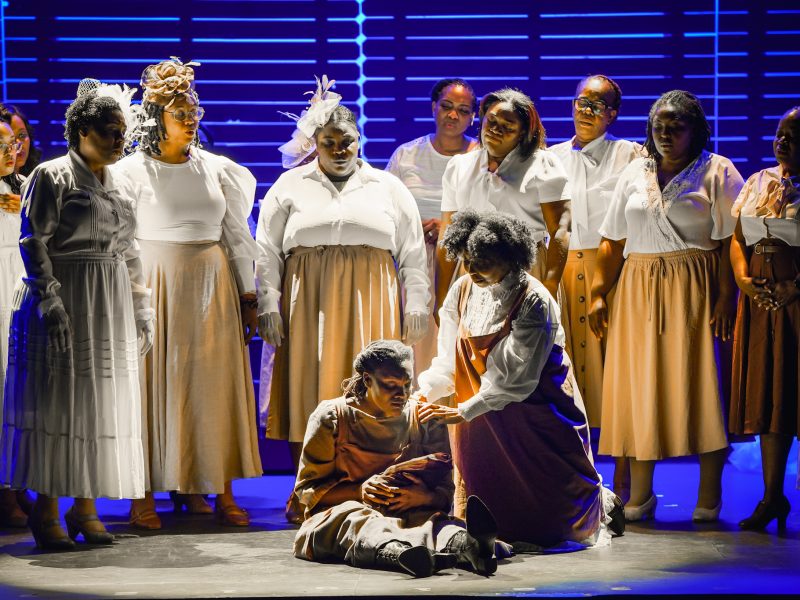
Powerful performances drive Theatre Albany’s ‘The Color Purple’
From the street, strands of purple ribbon wind around the white columns of the historic theater, hinting at the story waiting beyond its doors. Inside the foyer, a carefully curated slideshow flickers across a large screen, cycling through the faces of the cast. Some are seasoned performers. Others are stepping onto a stage for the very first time. Teachers stand alongside former students. Parents perform beside their children. People who worship in different churches, work different jobs and come from different corners of Southwest Georgia gather beneath the same lights to tell the same story.
