
Storytelling is becoming a lost artform

Ronda Rich
Out of the blue one day, I got an email from an old, beloved friend from my NASCAR days. In the days when first I met him, Jim Freeman was the public relations director at the Talladega track. That was when the publicity at all the tracks was run by men, some college educated, some not, who were amicable, back-slapping and well-liked.
They worked hard to beg attention for a sport that few media outlets cared about, so when the reporters did show up, they made them feel at home, almost smothering them with Southern hospitality. They inched their way, little by little, to big papers like USA Today, the Washington Post and the New York Times sending out reporters. USA Today was the first to step up and commit, sending Jerry Potter, a good friend of mine, to cover the beat on a regular basis. The others mostly visited only for the Daytona 500.
Men like Freeman, though, were the masterminds of showing stock car racing to the rest of the nation. I remember once when I was in Jackson, Miss., covering a Georgia-Ole Miss football game when I was surprised to find Freeman in the press box, assisting the Ole Miss sports information folks.
Related Articles
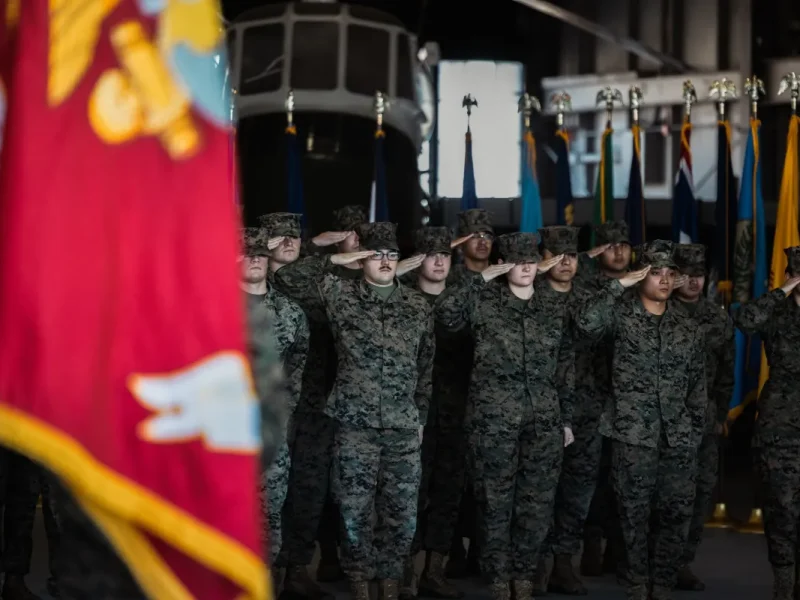
‘Sounds Like a Mutiny.’ Secret Recording Exposes Claims of Toxic Leadership After a Marine’s Suicide
This week’s War Horse story follows the systemic failures before and after the death of Cpl. Drew Mobley who was the third in two years at Marine Corps Base Quantico to die by suicide.
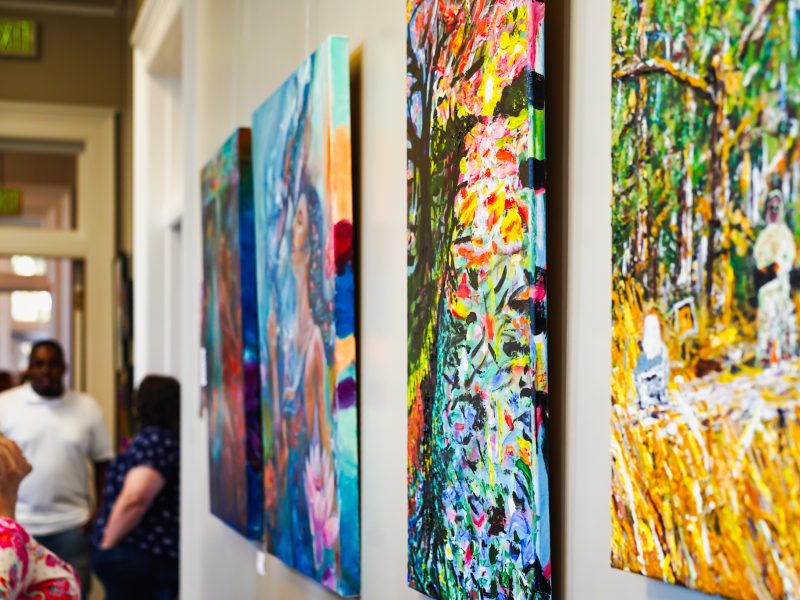
Southwest Georgia artists recognized at packed opening of exhibition
The annual juried exhibition, one of the region’s largest showcases of visual art, features approximately 46 artists and nearly 90 works spanning painting, sculpture, ceramics, photography and mixed media.
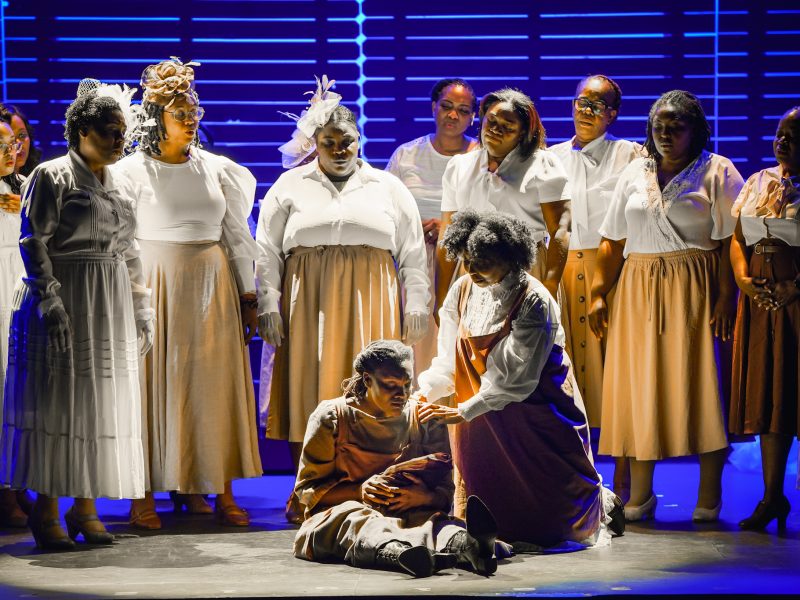
Powerful performances drive Theatre Albany’s ‘The Color Purple’
From the street, strands of purple ribbon wind around the white columns of the historic theater, hinting at the story waiting beyond its doors. Inside the foyer, a carefully curated slideshow flickers across a large screen, cycling through the faces of the cast. Some are seasoned performers. Others are stepping onto a stage for the very first time. Teachers stand alongside former students. Parents perform beside their children. People who worship in different churches, work different jobs and come from different corners of Southwest Georgia gather beneath the same lights to tell the same story.
