
Train graffiti ‘canvases’ showcased from coast to coast
Subculture of ’70s, ’80s art form endures in freightyards across the country
By Tammy Fletcher
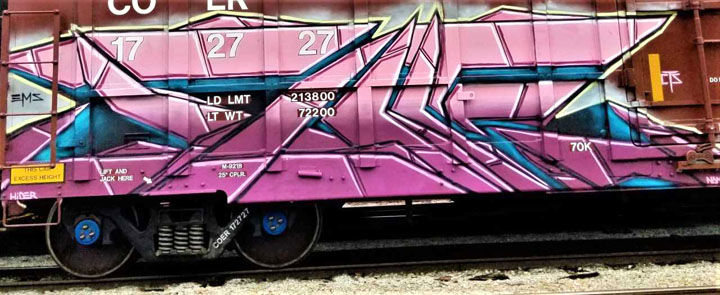
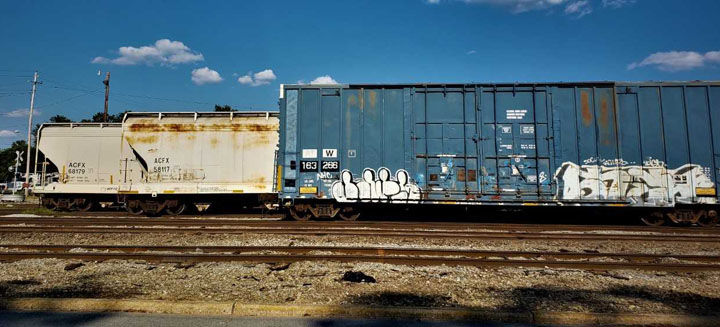
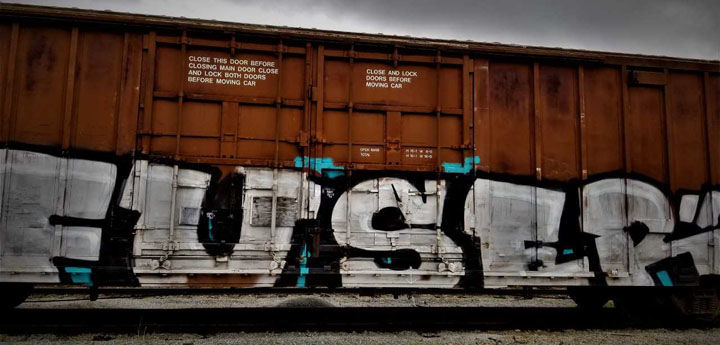
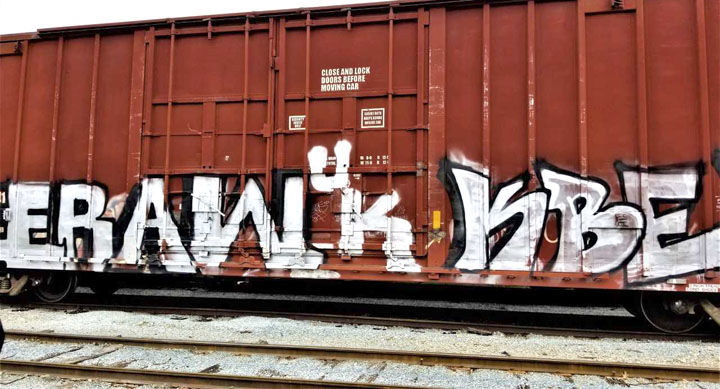
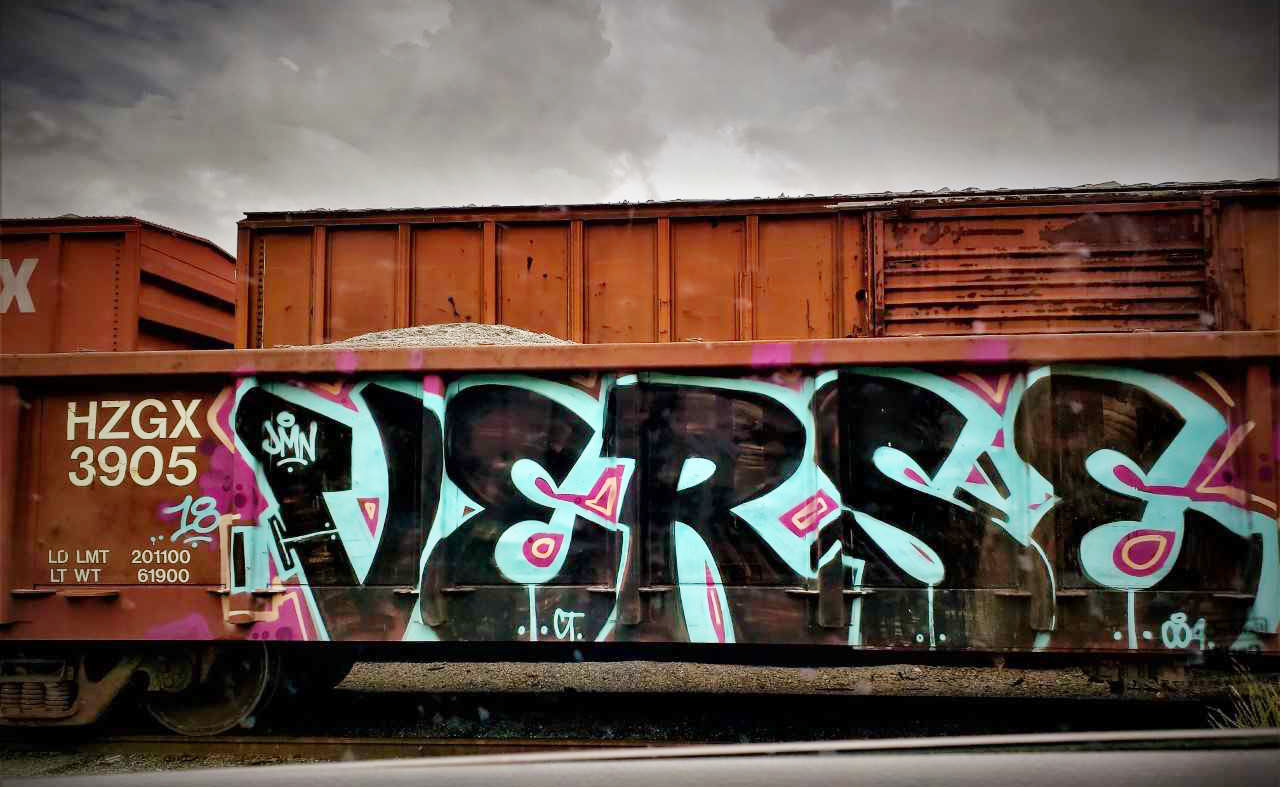
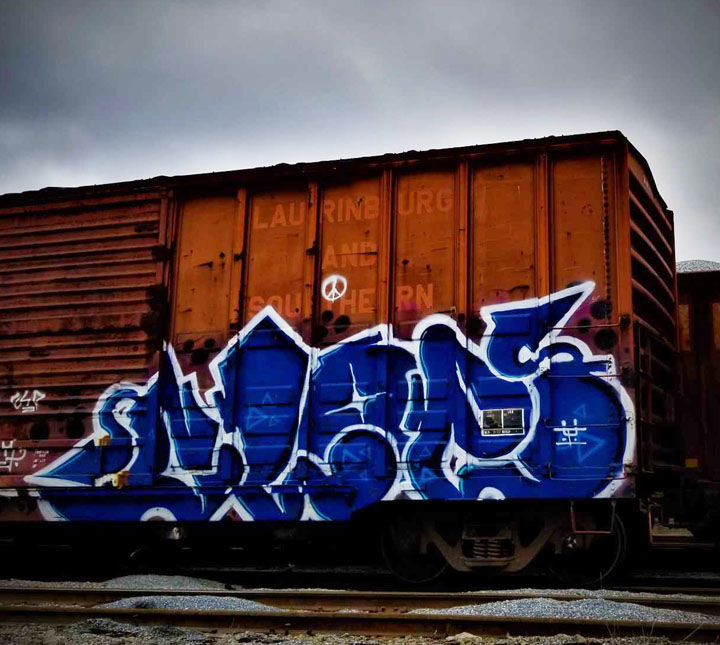
ALBANY — Slipping through town after town, the rusty metal canvases move from coast to coast. They boast original art that will not endure forever. Train car graffiti is a fleeting part of an unending display.
Art, urban blight or defacing property? That question has been bantered about since the 1960s. The earliest train car markings were communications between railroad employees. During the Great Depression, “hobos” and “train boys” used train cars as a means of communicating messages back to their loved ones. The markings of the railroad employees and homeless who lived train-to-train in the early years looked nothing like tagging or modern graffiti. They were simply words of communication.
In the 1960s and 1970s, a graffiti subculture emerged in the New York City subway system. Security was light and graffiti art was new and not strongly monitored by law enforcement yet. Train graffiti emerged as a subculture of the subway graffiti subculture. The new graffiti subculture was the voice of the American movement of restless young people. This era was a volatile time in American history, especially in New York City and many other large metropolitan areas. Train car graffiti expressed the angst of that era. The train yards became a playground for freight writers, taggers and graffiti artists.
Graffiti died out in subways in the late 1980s, more than likely due to heightened security. Graffiti moved on to freight trains and still thrives there today.
Have you ever sat in traffic looking at a seemingly endless line of railcars passing, some with graffiti and some without, and wondered why the graffiti is there? Why don’t the rail companies protect their assets better? Why don’t they paint over the graffiti?
There are many thought processes where graffiti is concerned. Railroad officials, law enforcement, the general public and freight writers all have an opinion about graffiti.
Railroad employees, managers, drivers and maintenance crews express the opinions that graffiti is “not a big deal” as long as the paint does not interfere with the utilization of the freight car. As long as the art does not cover train identification markings or other markings essential to railroads executing daily business and is not offensive in nature, they generally reserve repainting for scheduled routine maintenance.
Law enforcement officials generally express a dislike for defacing of property. One officer interviewed said that unless employed by the rail company generally, “We do not get involved unless we see someone in the act of spray-painting a freight car.”
The average person probably does not think about train graffiti unless confronted with it while waiting in traffic. To some it is a distraction not requiring thought. To others that distraction while waiting inspires appreciation for the talent of the artist and thought about what he or she was trying to say to the world.
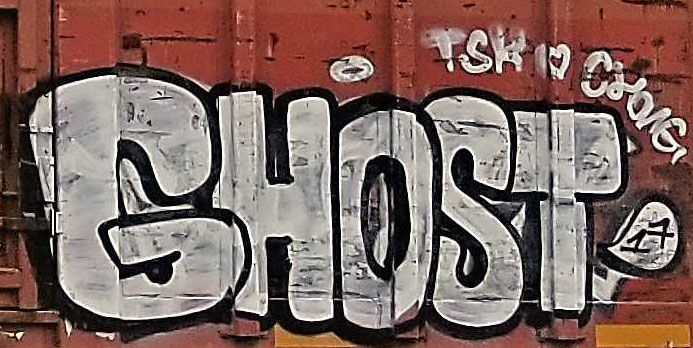
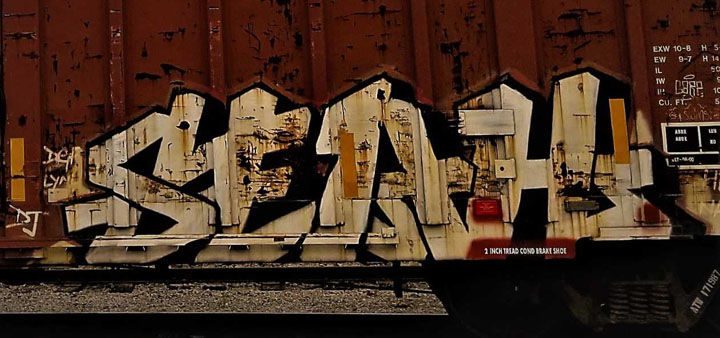
To a freight writer or graffiti artist, that paint on a boxcar is a creative release of a message to be seen by people from coast to coast.
“Your piece can run for years if you are peacefully creative and respectful of the essential use of the train car,” one long-time artist, who asked that his name not be published, said. Another graffiti artist added, “I never paint holy rollers or paint a burner that would be offensive or tag at all.”
A “holy roller” is a carrier with holes in the metal frame. Respectful artists never paint these carriers because it could damage goods inside. A “burner” is a multicolored piece that spans most of the freight car. Burner pieces are now displayed in museums worldwide.
Graffiti on train cars is definitely a part of a thriving American subculture that has spanned decades. It has been celebrated in movies, in writings and museums in many different lights. The definition of train car graffiti, like all art, is in the eye of the viewer.
Related Articles
From cotton to cloud: In the data center debate, is rural Georgia once again being asked to carry the cost?
Across much of rural Georgia, the abandoned cotton warehouses and shrinking tax bases remain — enduring reminders that industries built to serve distant markets do not necessarily stay rooted in the communities that first sustained them.
My Grandpa Was Killed in World War II. I Met Him Through His Letters Home
Gina Wolf’s grandfather died before she was born. His letters sent to her grandmother from Europe during World War II made it possible to know what kind of man he was.
‘Sounds Like a Mutiny.’ Secret Recording Exposes Claims of Toxic Leadership After a Marine’s Suicide
This week’s War Horse story follows the systemic failures before and after the death of Cpl. Drew Mobley who was the third in two years at Marine Corps Base Quantico to die by suicide.
