Insane asylum-part 2

Getting your Trinity Audio player ready...
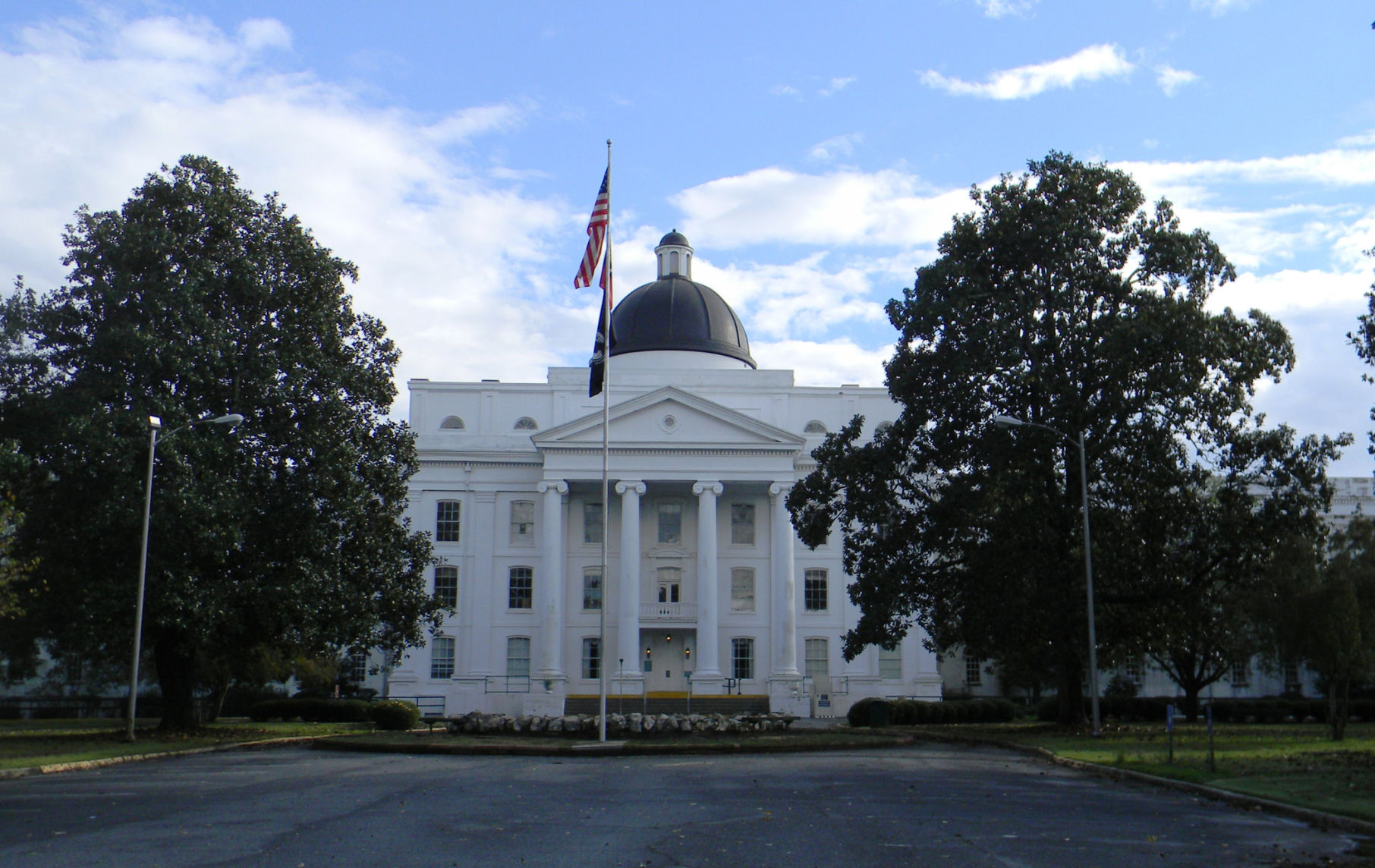
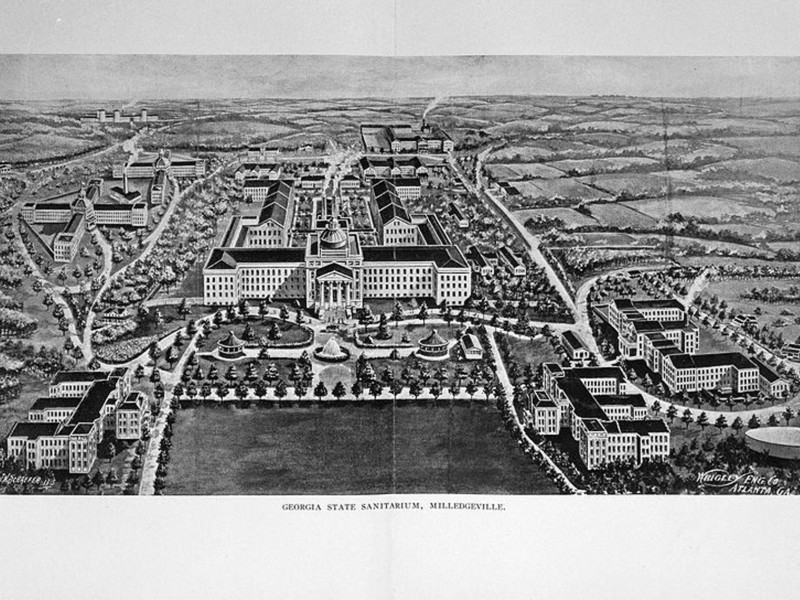
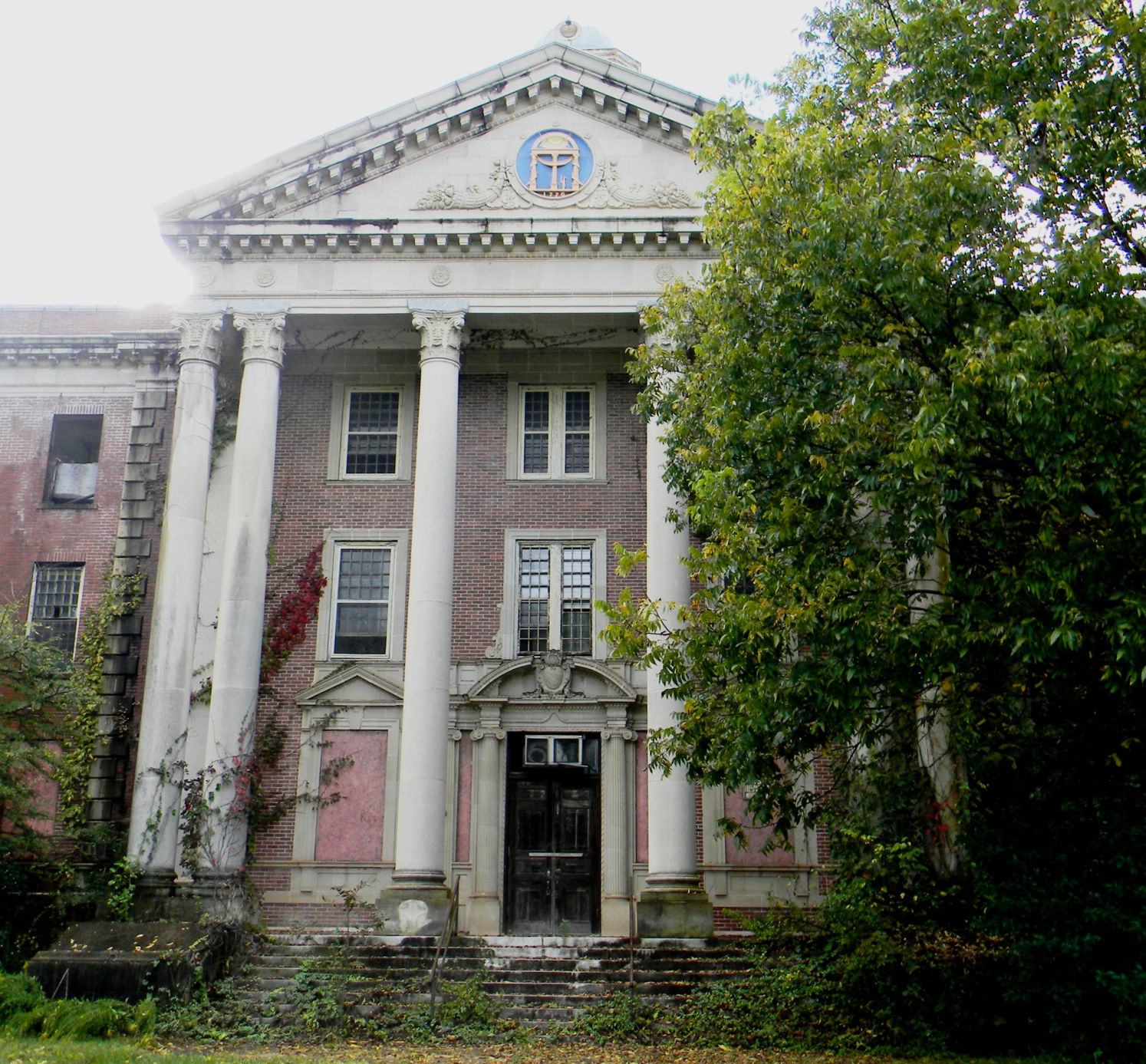
The sanatorium’s center building, known as the Powell Building, is still standing today. (Staff Photo: Mary Braswell)

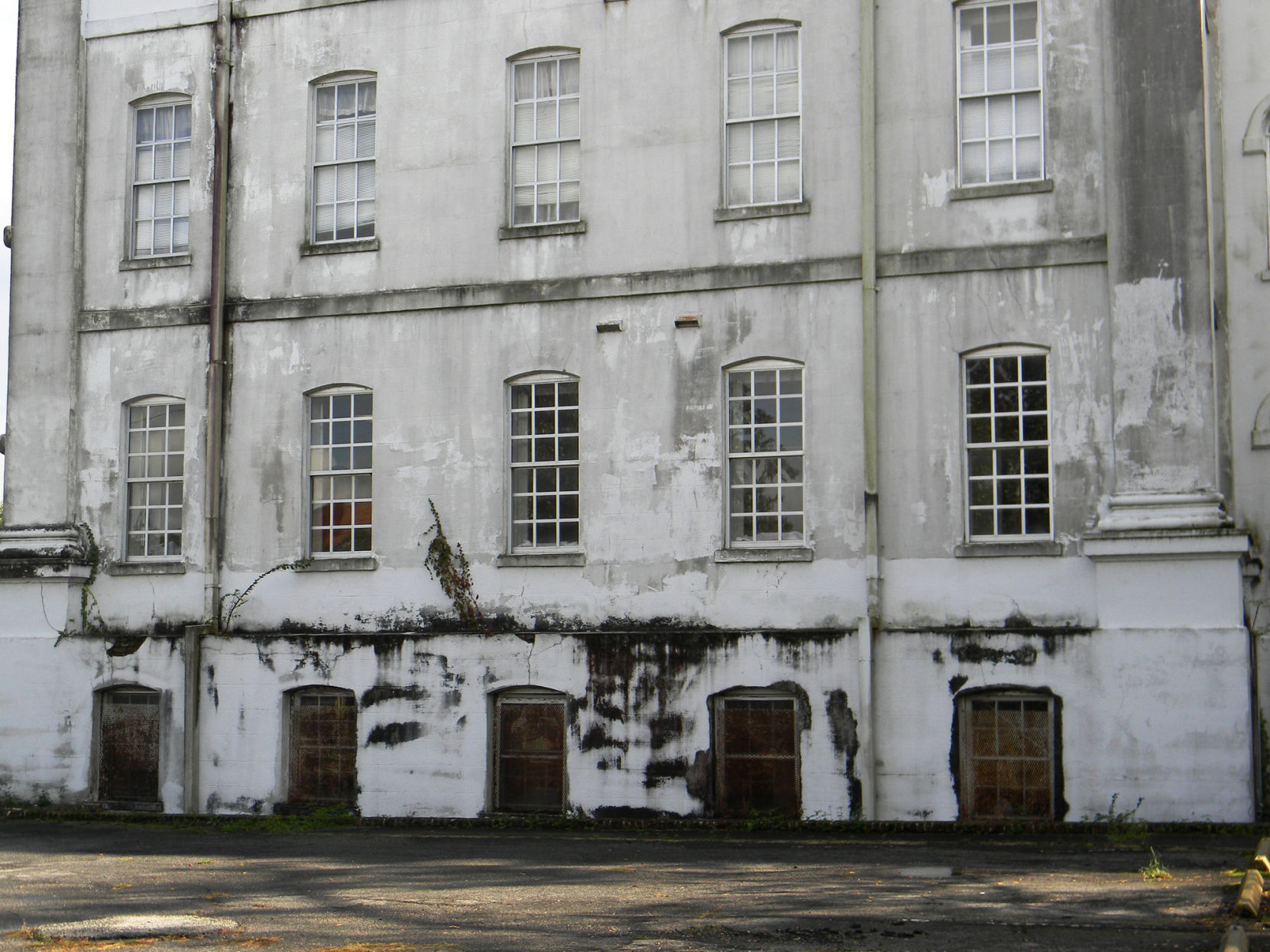
The annexes of the Powell Building show age and neglect. (Staff Photo: Mary Braswell)

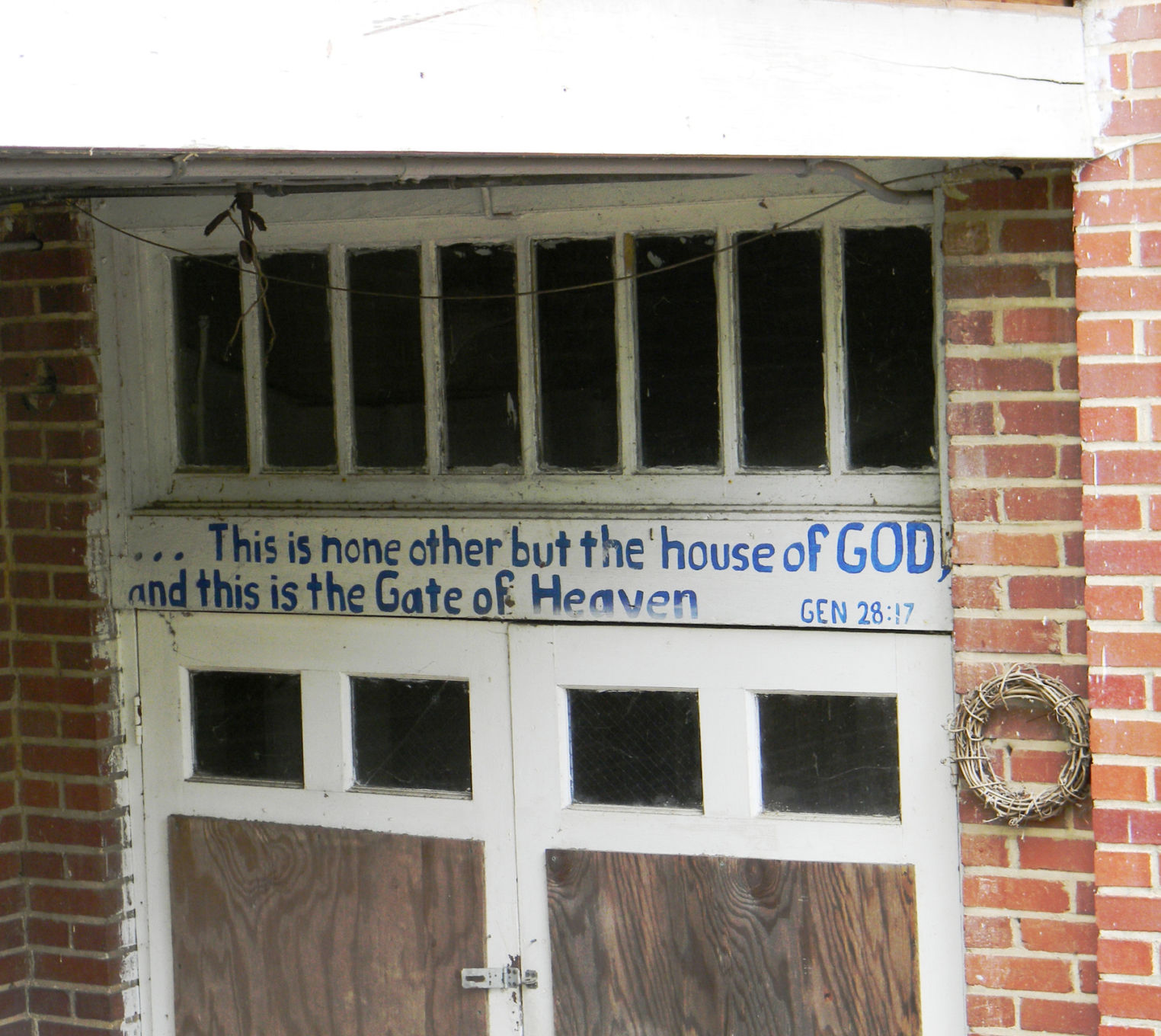
Above a basement-level door is a hand-painted a Bible verse (Genesis 28:17). (Staff Photo: Mary Braswell)

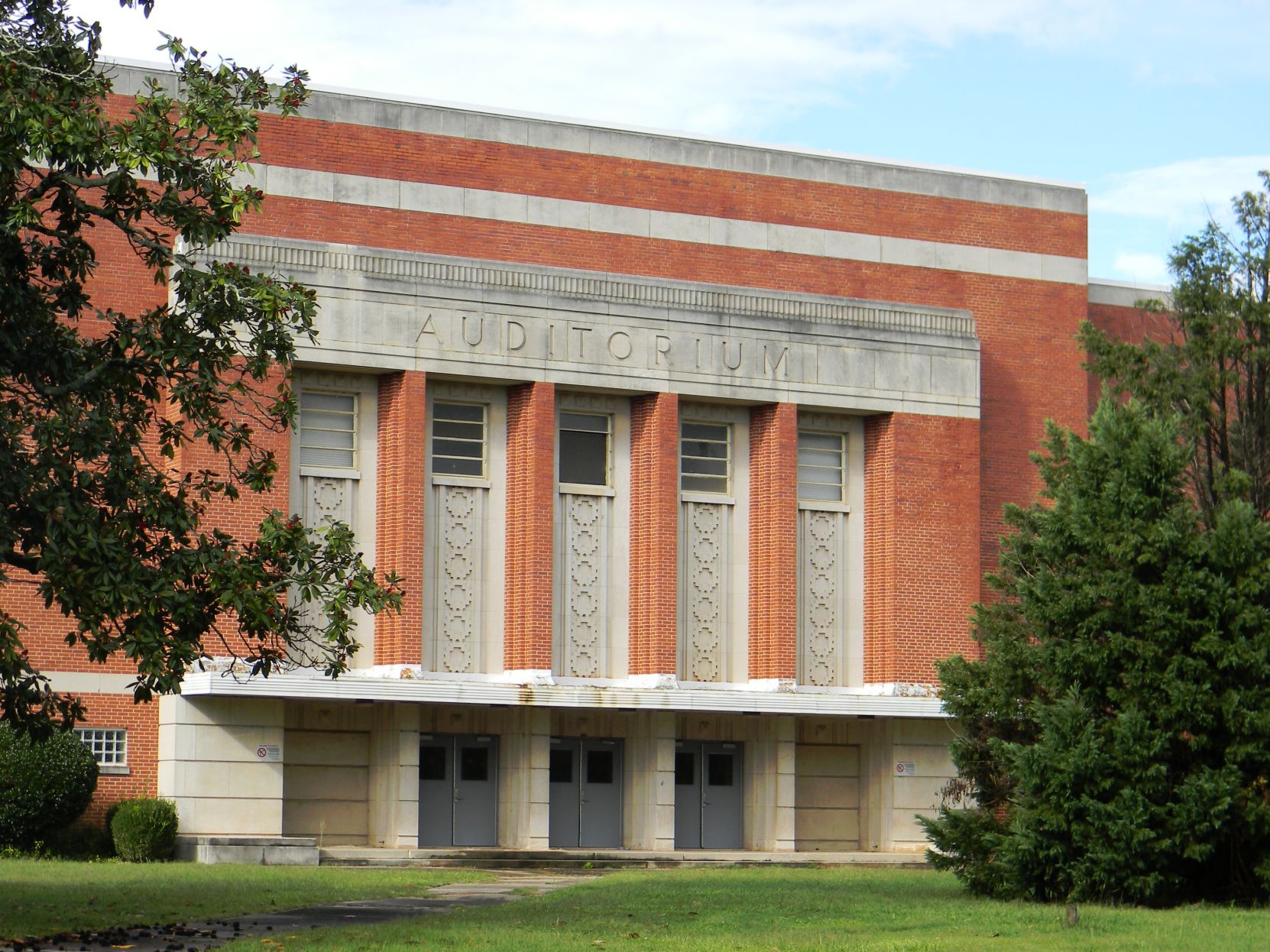
An on-campus auditorium provides space for shows, dances and psychodrama therapy. (Staff Photo: Mary Braswell)

Named after the asylum’s superintendent, Dr. L.M. Jones (1907-1922), the once-majestic Jones Building sits abandoned  today. (Staff Photo: Mary Braswell)

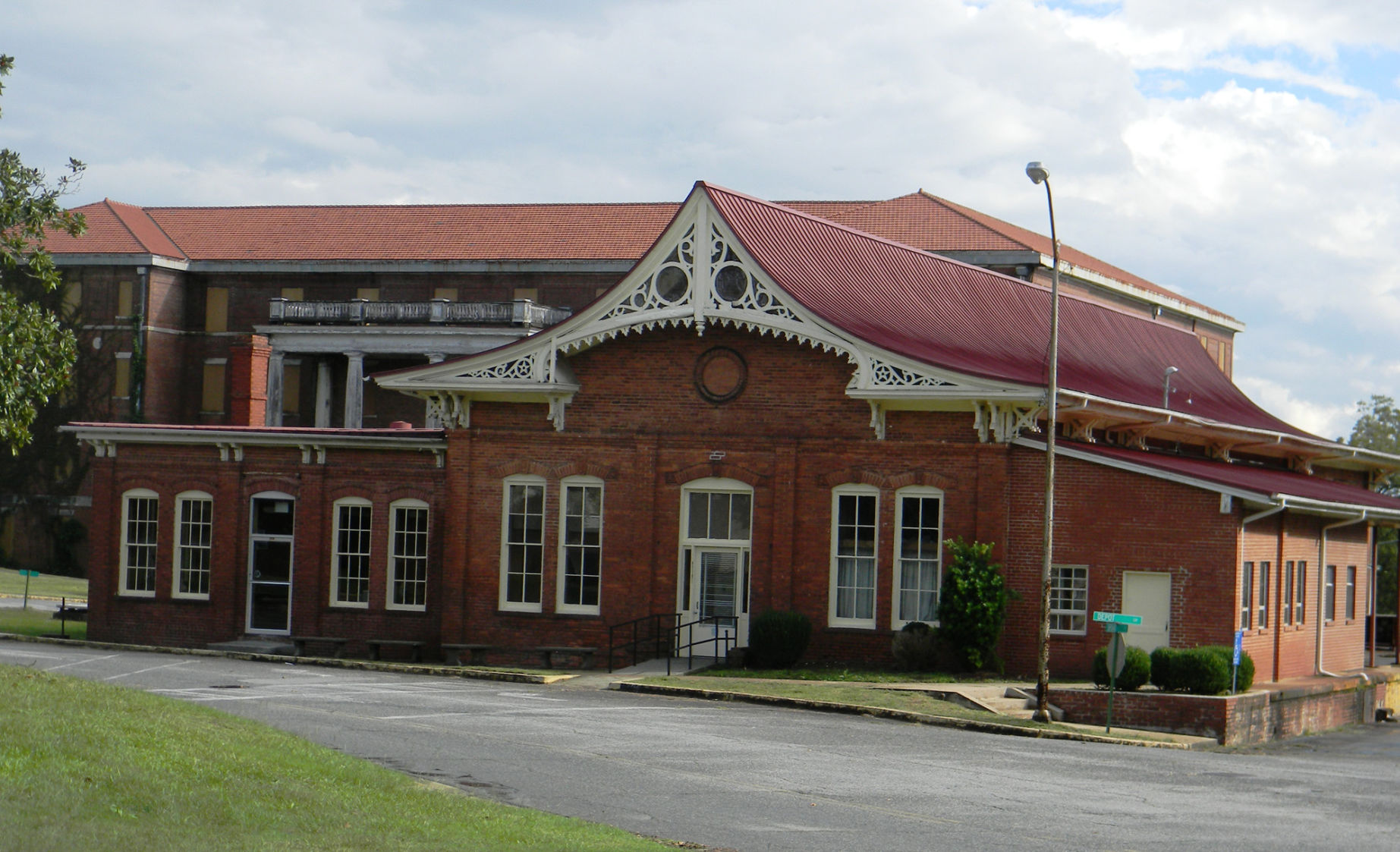
When a railroad spur arrived on the grounds of the Milledgeville asylum in 1884, a train depot was built. (Staff Photo: Mary Braswell)

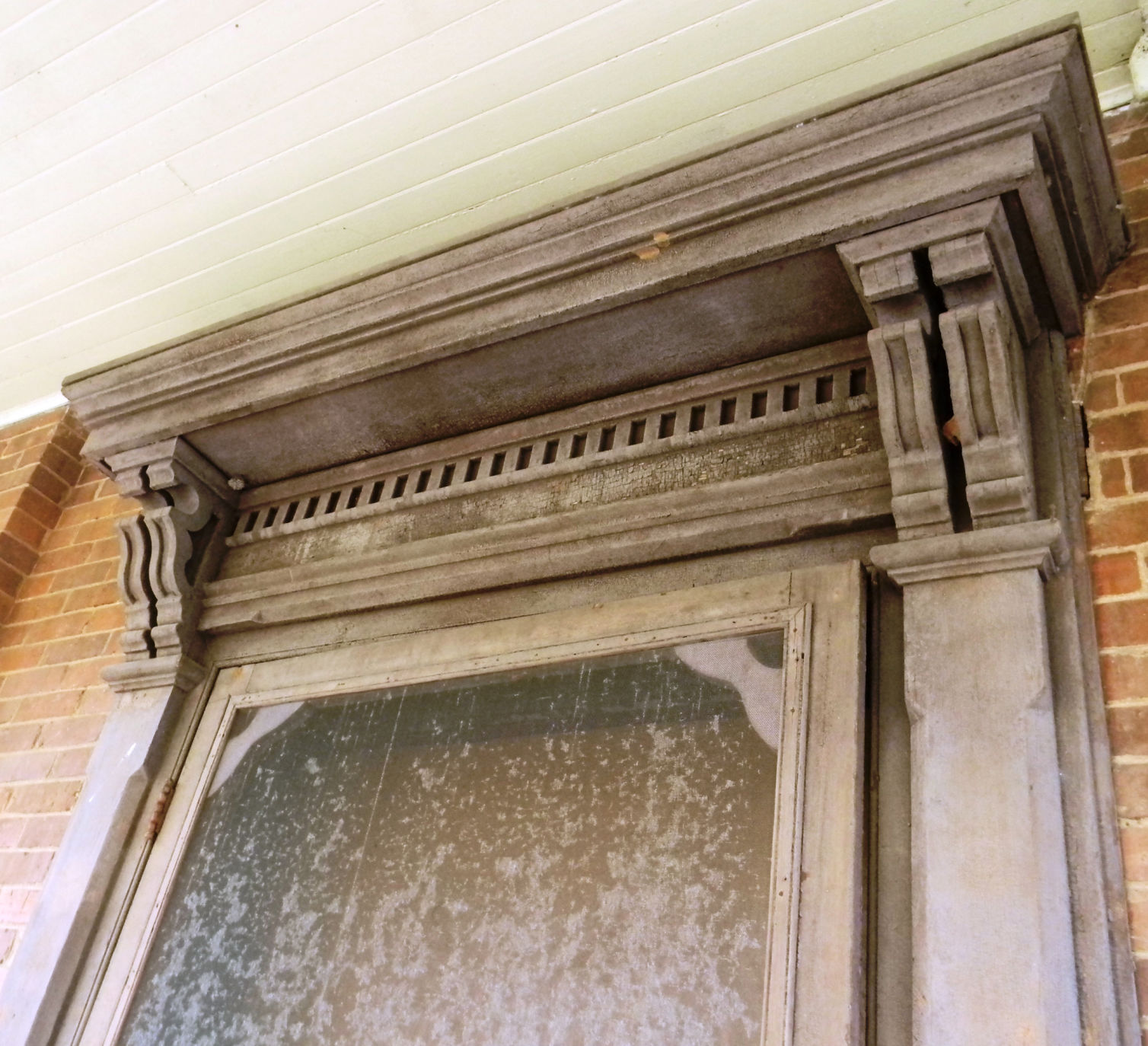
Ornate molding can be found throughout the campus of the largest insane asylum in the nation, some say the world, in Milledgeville. (Staff Photo: Mary Braswell)

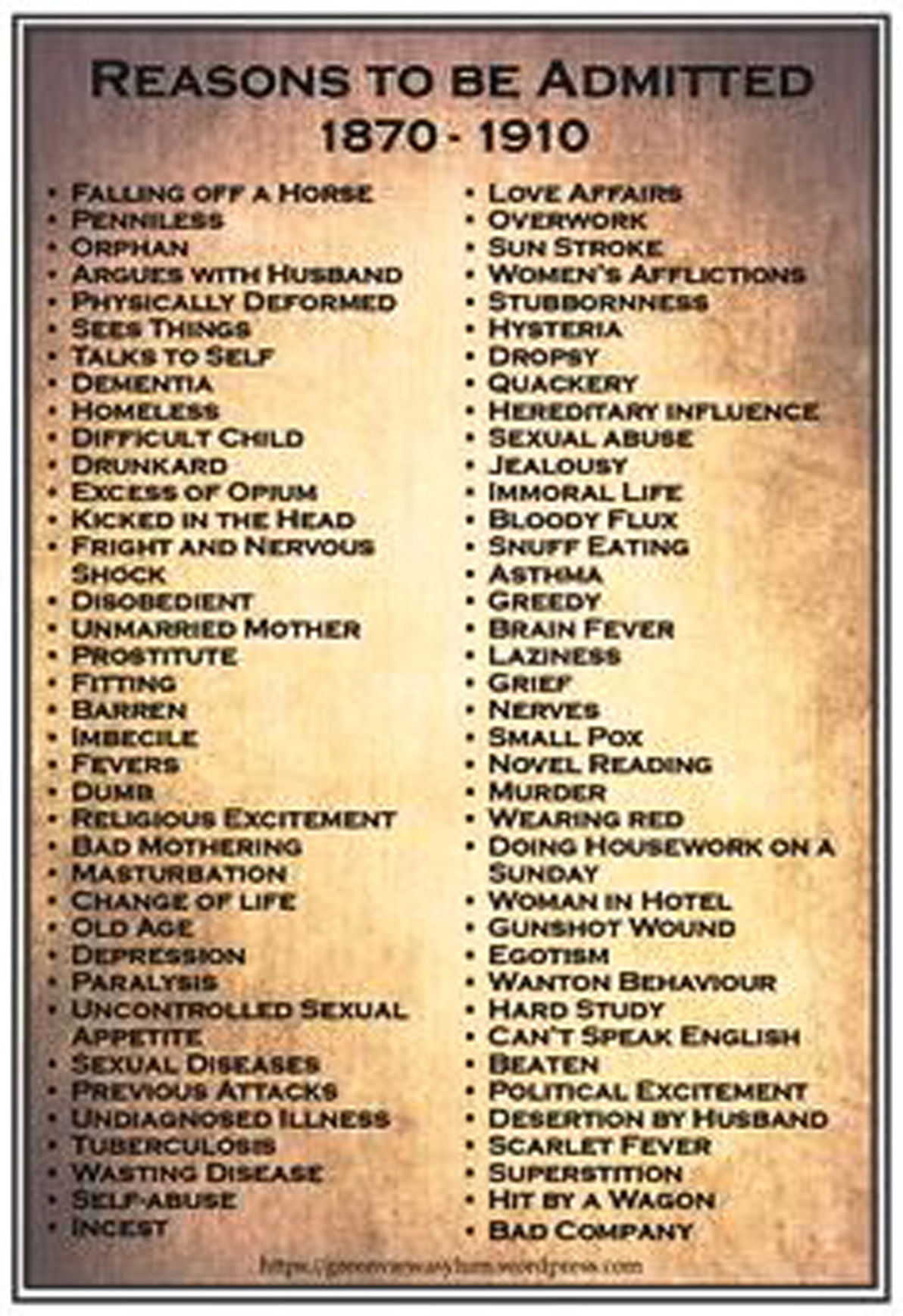
Although not specific to Georgia, there were a number of reasons for admission to an insane asylum in the United States from 1870-1910. (Special Photo)

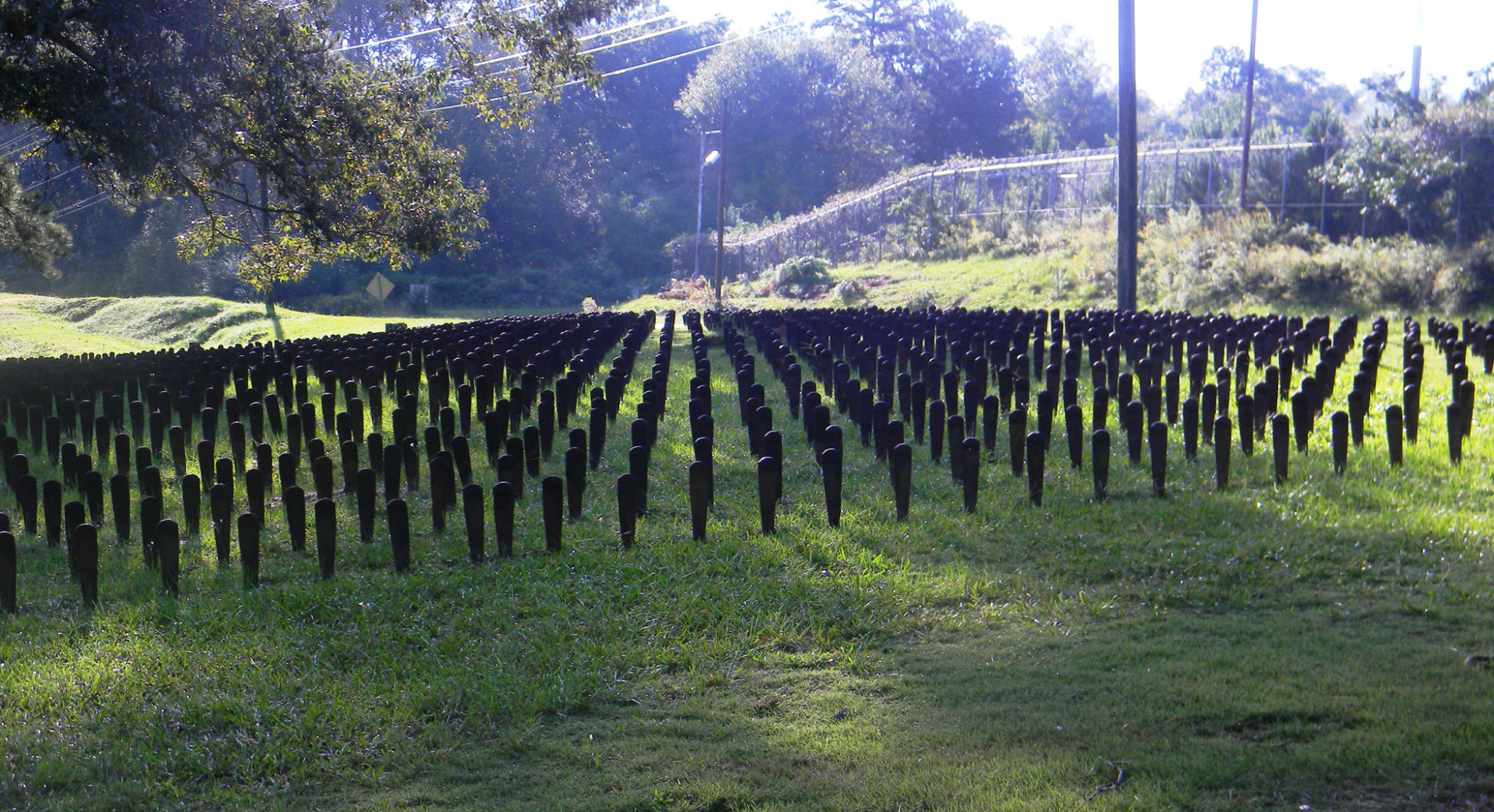
Numbered markers totaling 2,000 are representative of just some of those who spent their last days at the hospital for the insane at Milledgeville. (Staff Photo: Mary Braswell)

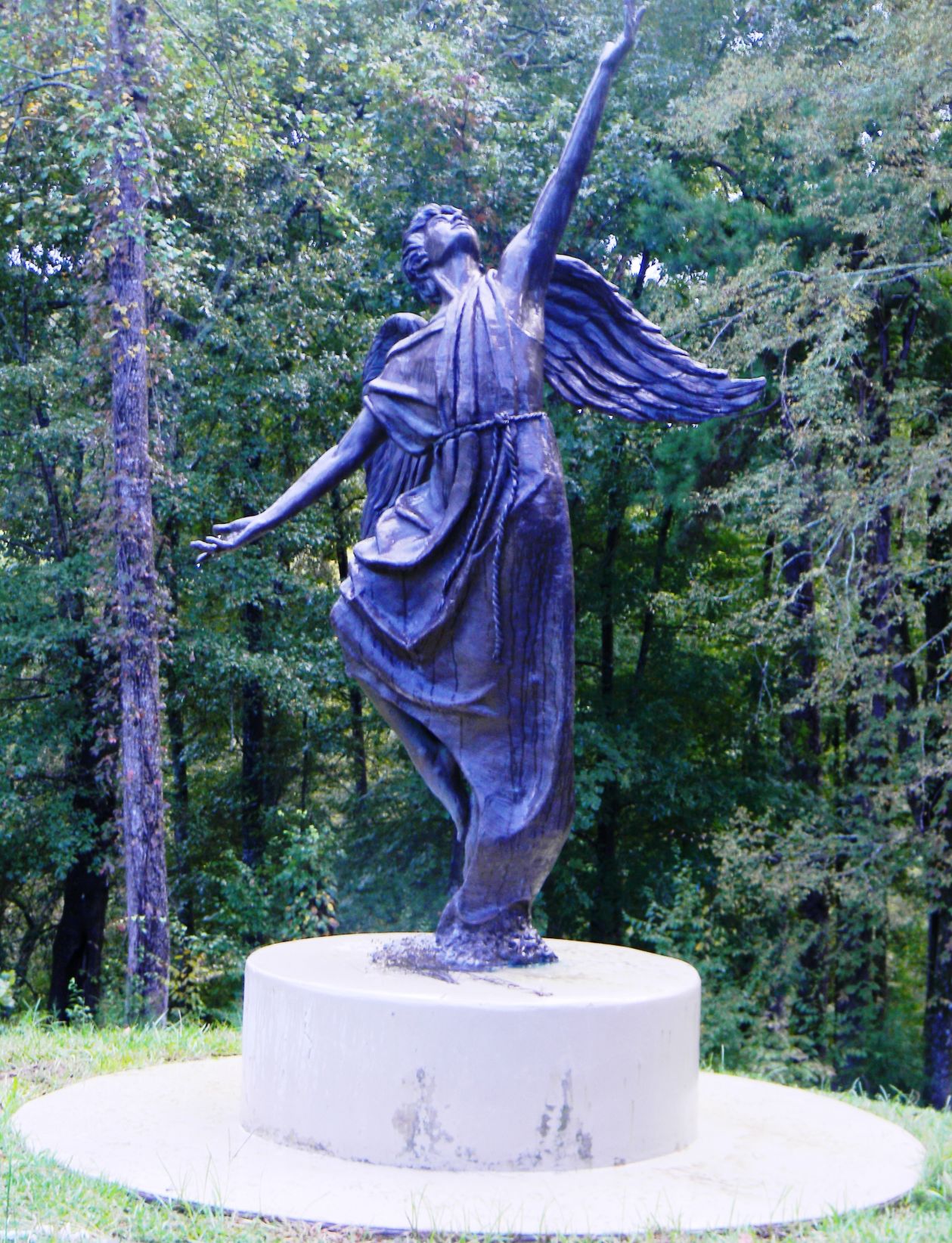
A life-sized bronze angel watches over the many graves in a cemetery on the grounds of the Milledgeville facility. (Staff Photo: Mary Braswell)

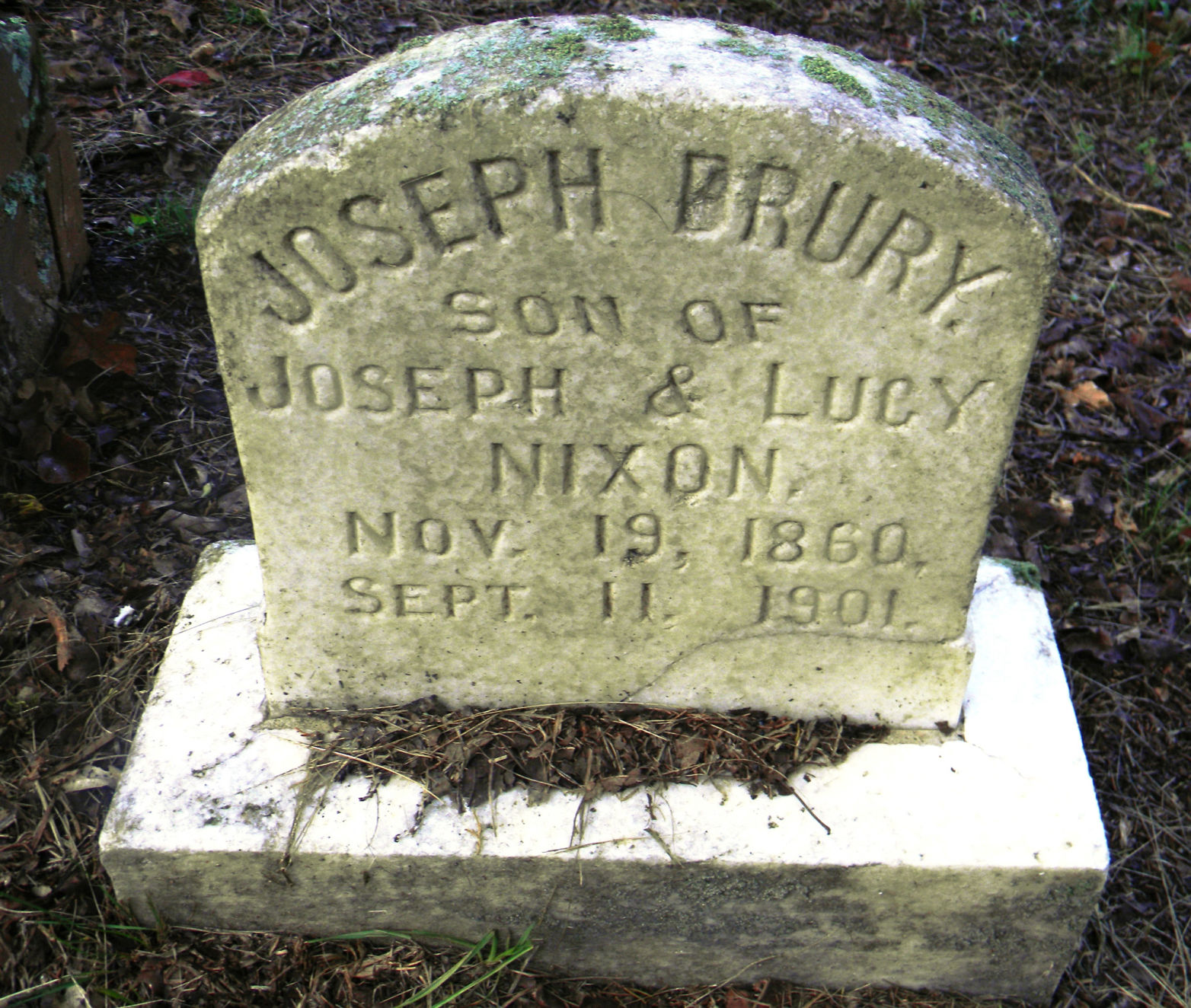
A family-placed gravestone for Joseph Nixon is among many scattered across the cemetery. (Staff Photo: Mary Braswell)

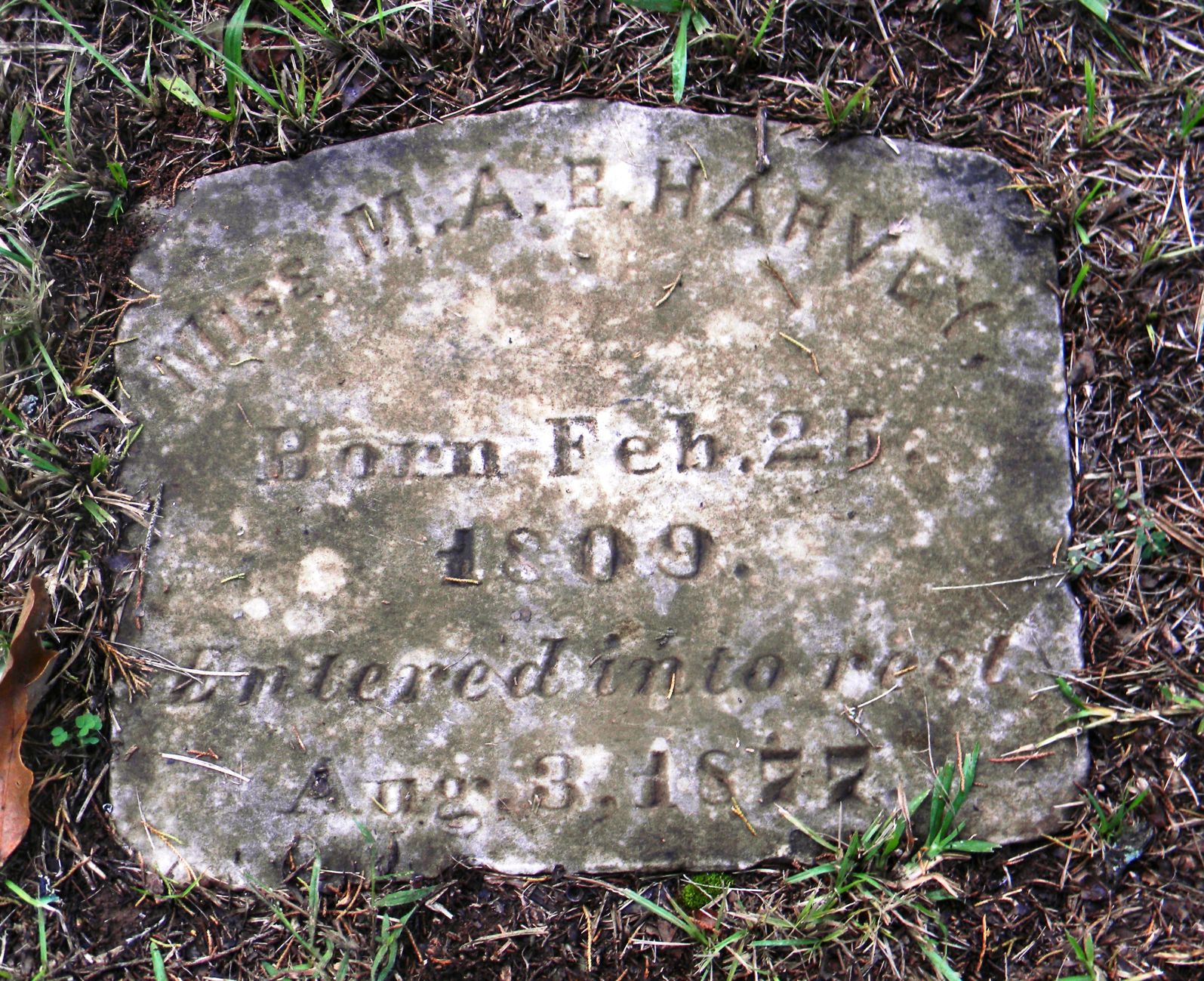
Miss M.A.B. Harvey entered into rest on Aug. 3, 1877. (Staff Photo: Mary Braswell)

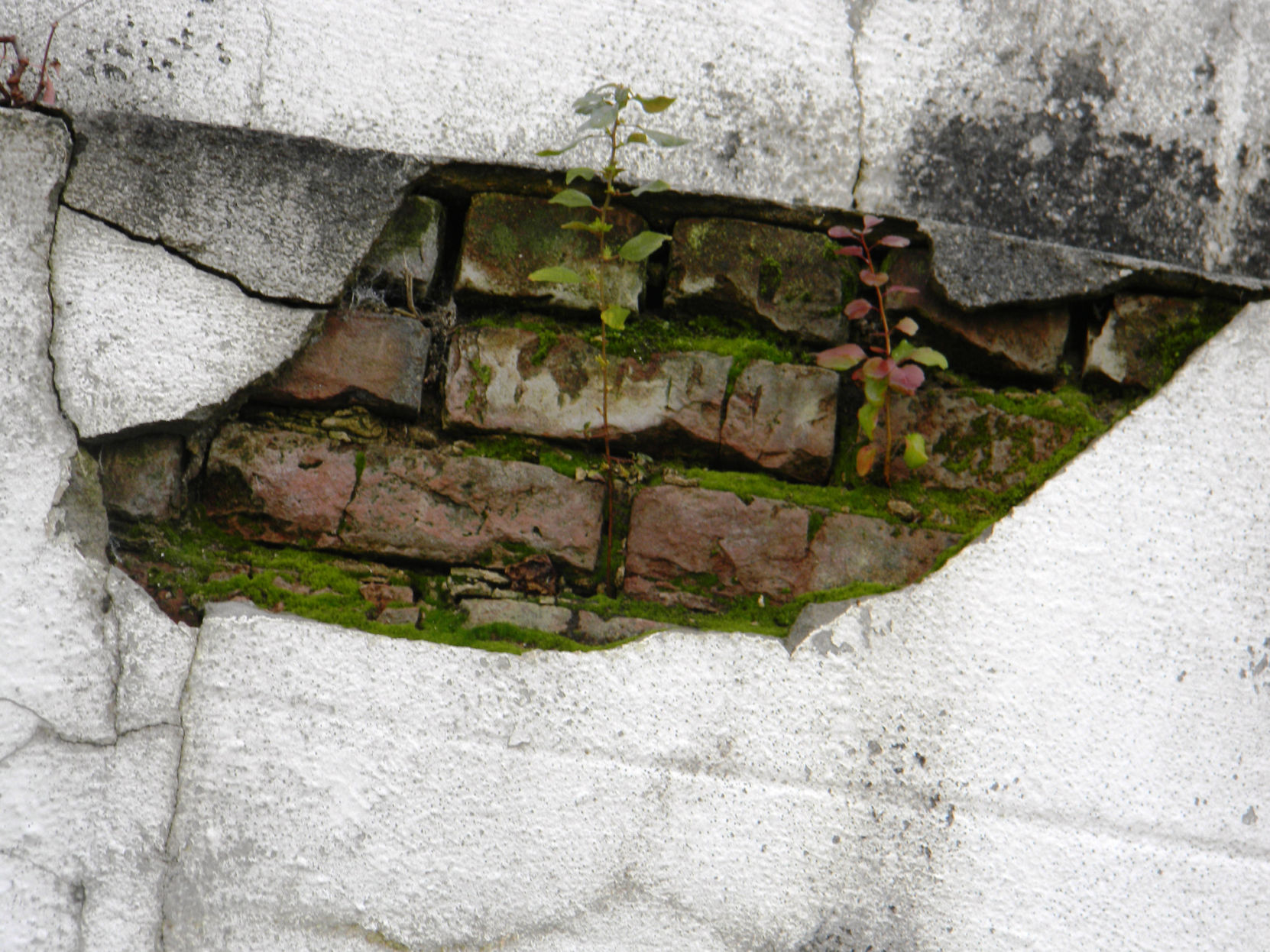
The original brick of the Powell Building shows through a crack in the facade, along with moss and vegetation. (Staff Photo: Mary Braswell)

Author

Attention home delivery customers:
Starting March 4, your paper will be delivered by the post office.

We appreciate your patience.
Questions? Call 229-888-9300.

Sovrn Pixel