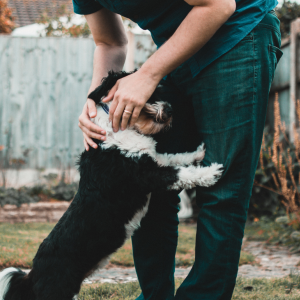
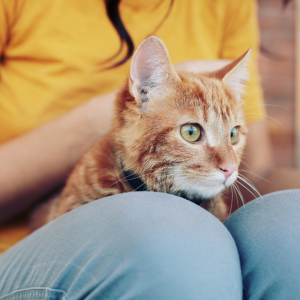
Even before the coronavirus pandemic, many Americans had an animal companion living at home. About 44% of households in the country had a dog, while 35% had a cat between 2015-2016, according to the American Pet Products Association. That was a total of 78 million dogs and nearly 86 million cats. Americans choose different adoption methods for their pets, with more dog owners opting for breeders than shelters. Cat owners typically opt for animal shelters for adoption or adopting cats through friends and relatives.Once the pandemic shut down businesses and forced schools to go virtual, even more Americans added a pet to their households. Nearly 1 in 5 households acquired a dog or cat. Officials reassured Americans that the risk of pets transmitting COVID-19 to humans was extremely low. For animals, serious illness as a result of the coronavirus appears to be rare.As COVID-19 restrictions begin to lift and many people return to work and school outside of the home, what is happening to the pets? Are the new owners rushing to return them? What can be done to curb separation anxiety in dogs and cats facing new routines in their homes?In order to contextualize the pet surge brought on by the coronavirus pandemic, ManyPets consulted a 2021 American Society for the Prevention of Cruelty to Animals survey on pet ownership in the pandemic and presented five takeaways from the study. Canva
Amid the height of the coronavirus pandemic, 23 million American households brought home a new pet—and they opened their wallets for their new companions. Americans paid $42 billion for pet food and treats in 2020, and were expected to pay $44 billion in 2021, according to the American Pet Products Association. They spent a little over $22 billion on supplies and over-the-counter medication in 2020, with the spending also expected to rise a couple billion in the following year. Vet care saw more enormous spending, at $31.4 billion in 2020. In total, the bill for those new pets came to almost $104 billion nationally.
Monkey Business Images // Shutterstock
Even as COVID-19 restrictions are lifted and Americans return to work and school, they continue to make their new pets part of their families, the ASPCA reports. The majority who were surveyed conveyed few concerns about being able to spend enough time with their new dog or cat.Dog walkers saw their business drop during the pandemic, but demand picked up in 2021. Revenues were expected to increase 10.5%, as society reopened and people took long-delayed vacations. Apps for booking dog walkers or pet sitters are more popular than ever, with one popular app, Wag!, predicting revenues of $42 million in 2022, a huge increase in revenue over 2021.
Canva
Often pets are given up because of some sort of problem with the animal, according to the ASPCA. The reasons can be aggressive or other problematic behaviors; the pet’s size, especially if it grows larger than expected; or health issues the owner cannot handle. Respecively, pet problems are the reason behind nearly half of the dogs and cats that get re-homed. According to the ASPCA’s 2015 Rehoming Survey, a little over 6 million households re-home their pets over five years. Pets are most likely to be given to a friend or relative, which may account for why so many need to be re-homed.
SujinKim // Shutterstock
The ASPCA estimates the annual cost of owning a dog at $1,391 per year and a cat at $1,149 annually. Initial costs and other special costs can bring the first-year costs to $3,221 for a dog and $1,904 for a cat. Some tips for cutting costs include buying high-quality pet food, which can decrease health problems later, grooming your pet at home, and spaying or neutering your pet.A 2015 ASPCA Rehoming Survey found those who had an income of less than $50,000 were more likely to re-home their pets because of the cost of taking care of them or issues around housing. Some 30% said affordable vet care, access to less expensive food, or pet-friendly housing could have helped them keep their pet. For renters, housing problems were the top reason for re-homing their dog or cat.