
Able-bodied should not be entitled to a free ride
The best we can do is to put them on the waiting list.”
A friend of mine works for an agency that provides home health care services to include meals to the elderly in her city and surrounding areas. As a result of the economic downturn, funds were drastically cut from such programs and have left my friend and her coworkers on the front lines as the targets of many family members’ anger and frustration.
In our conversation, she expressed how difficult it is to have to explain to the daughters and sons of elderly parents on a fixed income of $5- or $600 per month that their hands are tied because there is such limited funding. She said that she has to tell families, most of whom cannot afford to care for their elderly parents themselves, that “the best I can do right now is to put them on the waiting list.”
I heard the passion in my friend’s voice as she vented about this injustice. Having at one time worked in the department responsible for the food stamp, housing, and TANF programs within the Department of Family and Children Services, my friend shared with me the kinds of experiences one in such a position is likely to encounter daily. She talked about how she would be cursed at by people, mostly young women who would become irate if there was a change in their assistance amounts, however slight. She referenced an example of this from a time when the amount of a client’s food stamps was decreased from $638 to $600.
Such “nasty attitudes,” she described, and with such entitlement that further makes these kinds of instances so disturbing. And, disturbing they are, because in many of these cases, these young women have multiple children, and no jobs. They are not in school nor are they enrolled with a career center or an employment agency in pursuit of a job.
My friend would obtain school and job applications for clients in an effort to combat some of the excuses she would receive as to why her clients had not made any “real” attempts to try and better their situations.
“One of my biggest frustrations, my friend said to me, was hearing so many young women reply “I’m OK. I’m all right,” when help was offered in ways that would improve the quality of their lives. “They did not want that,” she said.
Sadly, what my friend was describing was the mindset of so many young women in our communities who choose voluntarily containment within the cycle of dependency instead of trying.
But, why should they? They have learned the system and it works for those who do nothing, not because they cannot, but because they choose not to. They have, in most cases, free to nearly free housing and an abundance of food stamps to feed their families and even health care. The young women who are single and have no children, or one or two children and work to try to make a living for themselves and/or their families are penalized. They receive minimal or no assistance at all when in fact, they are the ones who are most in need. They have to take care of household responsibilities to include putting food on the table and some do this while trying to further their education.
Then there are the elderly who suffer, perhaps the most. No one is pumping money into the programs that provide the much needed assistance for them. What gets me is that it is the elderly who really could not finish high school, not to mention earn a college degree, largely because they had to drop out to work and take care of their families at an early age. They have worked all of their lives and now that they need a little help, someone or something to depend on, there is no funding. But, there is a waiting list.
Shameful.
Certainly, with the economic crisis the country continues to face, more and more people find themselves in need of some assistance to weather the storm which, in my opinion, is how the system should work. To help people weather the storm, make ends meet, or fill in the gaps.
Yes, there is the reality of job losses and fewer hours that make it a tougher climate to find or maintain gainful employment, but let’s not pretend that this crisis is one that has spanned even the last five years. By most accounts, the economic times we live in now are the worst since the Great Depression, making this a relatively new occurrence, thus, removing it from the list of excuses for the cycle of dependency that exists.
Able-bodied, capable young people who can work-somewhere, and choose not to even try, should not be put ahead of feeble-bodied, nearly helpless elderly people who can no longer do for themselves.
Part of the problem is with a broken system that rewards dependency and thus perpetuates the cycle, but another part lies with the mentalities of many young people in our community.
Entitlement. Nobody owes you anything. What would happen if suddenly “you” hear “The best we can do is to put you on the waiting list”?
Contact columnist LaTonya Dunn at [email protected].
Related Articles
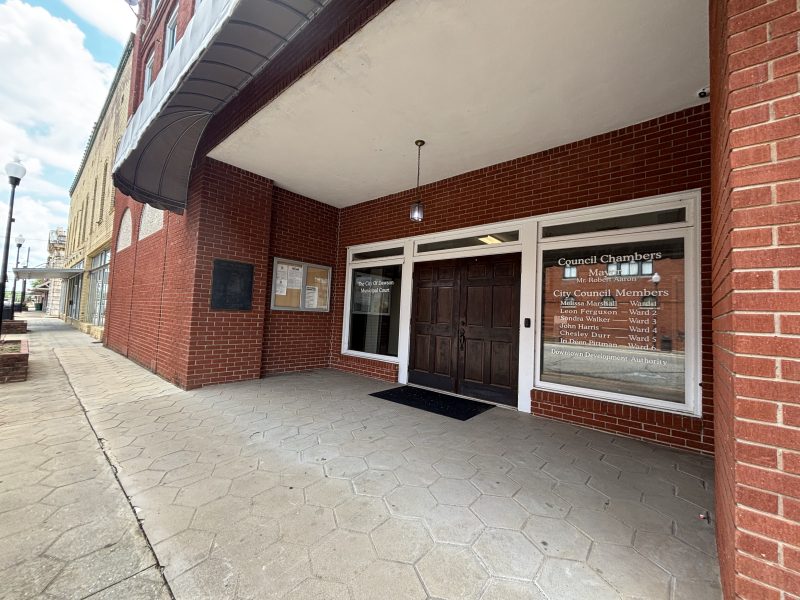
Dawson City Council addresses budget, fire fee, wastewater spending
The City of Dawson will enter new fiscal year without adopted budget as council considers creating a new fire assessment and approves wastewater equipment, K-9 agreement

Dougherty County assistant county manager declines top position in Harris County
“It is a beautiful community. I was thankful that they thought of me. They offered, but it didn’t come through in the end.”
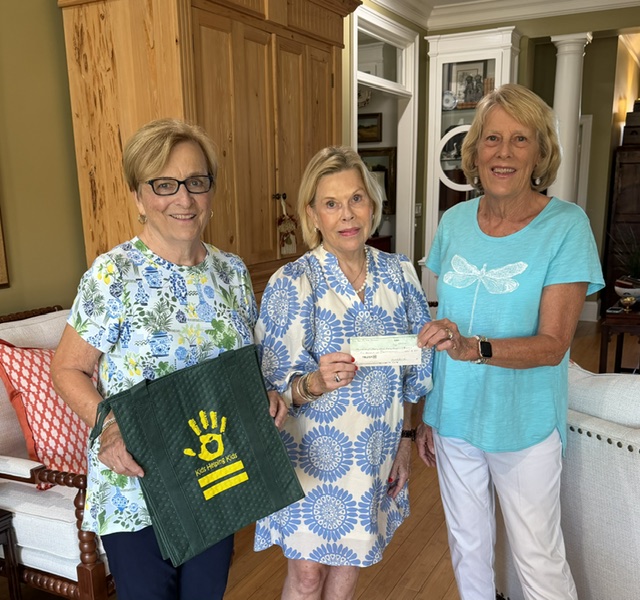
Helping Hands to serve 1,100 Dougherty families weekly with help from Paula Deen foundation
Paula Deen’s Bag Lady Foundation has donated money to Helping Hands Ending Hunger, providing enough funding for about 1,100 cooler bags as the Dougherty County School System program begins another year of getting unused school food into the homes of local families.
