
Albany City Commission gives preliminary OK to microbrewery, Albany Heights projects
High-profile developments seen as ‘catalysts’ for downtown growth
By Carlton Fletcher
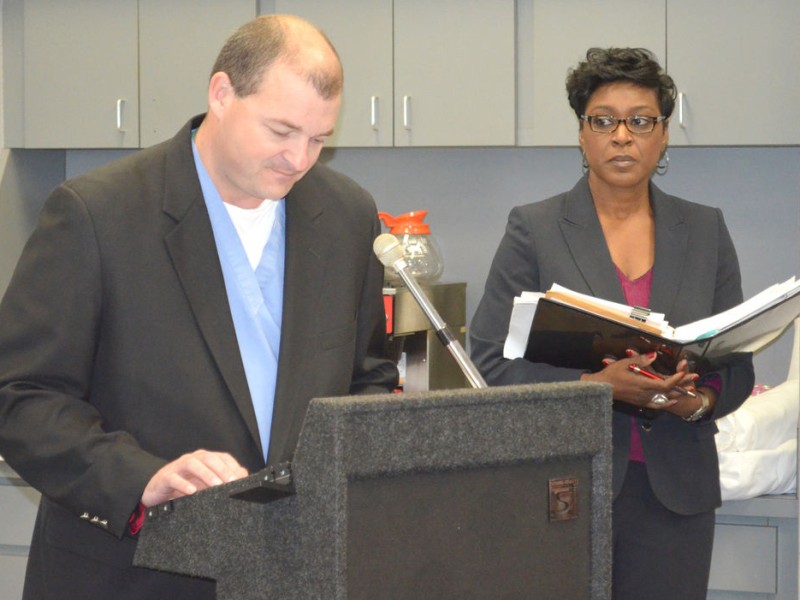
ALBANY — Two high-profile downtown development plans got the unanimous blessing of the Albany City Commission Tuesday at that board’s work meeting.
City Commissioners voted 7-0 to tentatively approve the sale of the 249 Pine Ave. Albany Heights building to Atlanta-based Novin Construction for a mixed-use housing development and also unanimously OK’d a plan to use $1.25 million from the city’s Revolving Loan Fund as a catalyst to bring a microbrewery to property that formerly served as a downtown Art Park.
“This is a big day for the city, a big step forward in our plans to redevelop our downtown district,” City Manager Sharon Subadan said after the meeting. “Once everything has been formally approved and we’ve completed all the paperwork, we hope both of these projects will move forward quickly. That’s our plan.”
Vascular surgeon and Albany native Tripp Morgan said his vision of bringing a microbrewery to his hometown started a decade ago.
“I went into surgery because I like medicine, and I decided to do the microbrewery because I like beer,” Morgan joked as he addressed the commission. “Ten years ago, I started talking about the possibility of building a microbrewery, but things like the economic downturn kept me from moving forward. Finally, the time is now right.
“One of my business associates had been part of opening two successful breweries in Athens, and he felt it was a good time to move forward. (Economic Development Commission President) Justin Strickland and some of the other economic development folks convinced me to start looking at downtown as a possible location for the brewery, and it soon became clear that that would be a win-win for everyone.”
Ward VI City Commissioner Tommie Postell, who chairs the joint city/Albany Utility Board Long-Term Financial Planning Committee that oversees a fund that will be used to partially finance the $5.7 million microbrewery, praised Morgan for his preparation in bringing the project to the commission.
“Bottom line, I think it’s clear that Dr. Morgan and his group have done their homework,” Postell said. “I feel very comfortable that we’ll have no problem with this project. I think this is a very good stimulus for downtown, and I’m confident we’re going to make this happen.”
Commissioners B.J. Fletcher and Roger Marietta and Mayor Dorothy Hubbard also offered vocal support for the microbrewery project, which is expected to bring between 40 and 65 new jobs to the community.
“For any city to be successful (in redevelopment), there has to be private investment,” Fletcher said. “We need people like you to step forward, and we’re going to do everything we can to help make this project successful.”
Albert Etheridge, who works with Morgan on his business holdings, said city officials’ enthusiasm for the project was encouraging.
“Today couldn’t have gone better,” he said. “The plan now is to get this memorandum of understanding worked out in the next few weeks and move forward. We hope to get rolling by the end of this year or the first of next year.”
Novin officials said they plan to develop the 70,330-square-foot Albany Heights building into a 75-unit housing complex with eight commercial/retail spaces on the first floor of the six-story building. The planned $1.6 million construction project is expected to increase the value of the property to $1.9 million, bringing in an estimated $31,116 in property taxes annually.
“We’ve already teamed with a local architectural firm (Yileding, Wakeford & McGee) to work on the project, and once the final vote is taken and the paperwork is completed, we’re realistically looking at starting work in March,” Saeid Sadri with Novin said after the meeting. “We relied on studies that were conducted by the city and hired a nationally known firm to help us determine the demand for housing in downtown Albany. We think this will be well-received.
“Our experience of working with the city has been a good one. Ms. Subadan, Ms. Cutts, the assistant city managers and the Planning department have all been very helpful in this process.”
The developer paid $50,000 for the property, whose value is listed at $250,000 on current tax rolls. Cutts said recent water damage and other concerns were not taken into consideration when the value of the property was determined.
“The developer has agreed to acquire the property and to keep the same (residential) footprint in its development,” Cutts said. “The value for the city will come in tax revenue and discontinuing more than $30,000 in utility, insurance and security costs we’re paying each year on the property.”
Subadan said the impact of the two projects downtown should be significant.
“I’m a firm believer that all roads lead to economic development,” she said. “I also believe cities with vibrant downtowns are more likely to see new businesses come to town. The economic impact of the Pretoria Farms microbrewery and the residential development of the Albany Heights building aligns well with our plans for downtown and could be catalysts for future development.”
Also at Tuesday’s work session, the commission voted to align its traffic-calming program for alleyways with its street program and listened to a proposal from businessman Yaz Johnson asking that the city allow two-way traffic on its one-way streets downtown for “easier access and convenience” of potential customers of downtown businesses. The city has four one-way streets: Washington, Jackson, Monroe and Madison.
Related Articles
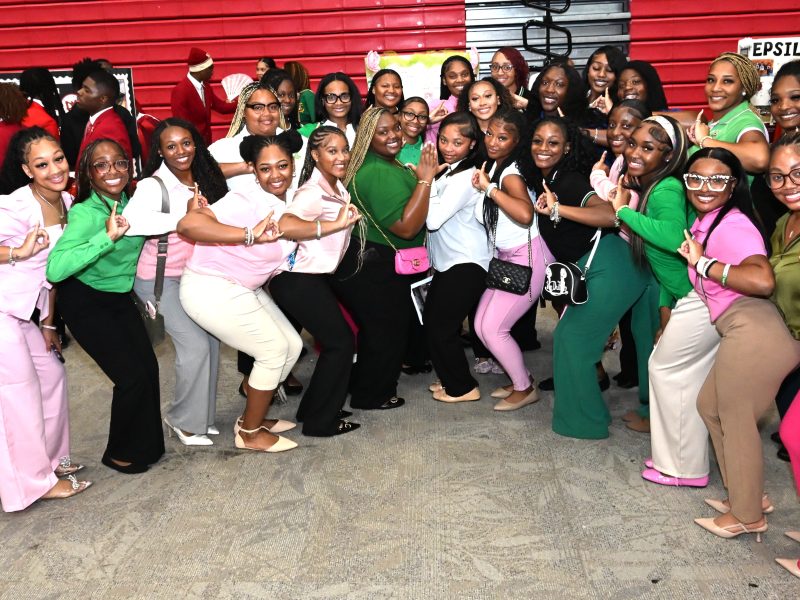
PHOTOS: Albany State’s Good Life City Expo
Photos by Reginald Christian, Albany State University

Dawson City Council uninformed as state freezes sewer loans, audits remain incomplete
With three overdue audits, no Mauldin & Jenkins briefing on Thursday’s agenda and funding deadlines approaching, the larger question is increasingly urgent: How will Dawson pay to finish the work, and what will further delay mean for the future reliability of the city’s water and wastewater systems?
Across a county line, foster care rates reveal stark divide
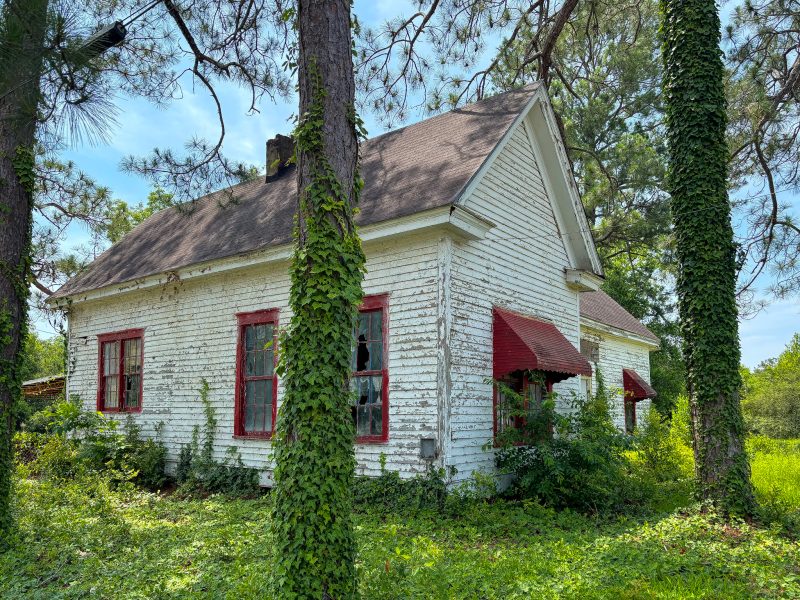
An abandoned home in Dawson sits overgrown and deteriorating, one example of the city’s ongoing struggle with blighted and unusable housing. Dawson’s long-range planning documents identify both a high vacancy rate and a need for more safe, affordable housing. Staff Photo: Kathryn Crockett
