
Albany City Commission raises verbal stink over garbage contract
Carlton Fletcher
ALBANY — A verbal stink arose from the Albany City Commission’s discussion about a garbage contract Tuesday, as Commissioners Bobby Coleman, Roger Marietta and Jon Howard pushed to go through a rebidding process in an attempt to guarantee minority participation in the contract.
The commission eventually tabled a recommendation by city staff to award a $3 million bid to Waste Pro-Albany after City Manager James Taylor, Commissioner Bob Langstaff, Public Works Director Phil Roberson and Central Services Manager Stephen Collier reminded commissioners that requiring racial or minority quotas violates federal law and the request for proposal seeking bids on the contract specifically “encourages small/disadvantaged business participation” in the waste collection.
Coleman said that since neither of the two bid finalists — Waste Pro and Transwaste, which has a 10-year relationship with the city — included a minority-owned subcontractor in their bid, he could not “in good conscience” support their participation.
“They’re going to phase out the minority contractor,” Coleman said. “I can’t in good conscience send people to the unemployment line.”
When Marietta recommended a rebid requiring minority participation, Taylor pointed out that such “requirements” would violate federal law.
Howard, who had recently suggested the commission look into reorganizing a small/disadvantaged business utilization office to help small and minority businesses secure more participation in city-financed jobs, made reference to the majority black population in the city.
“I think I will support Commissioner Marietta’s proposal to rebid because it’s well-timed,” Howard, the longest-serving member of the commission, said. “In a city that is 70 percent minority, we need to bring a minority component to the table.”
Collier told commissioners that it was their action that did away with the small/disadvantaged business utilization office, which had attempted to help small and minority-owned businesses complete paperwork that made them eligible to bid on state and federal projects. He and Mayor Dorothy Hubbard also pointed out that very few eligible businesses chose to participate in the program before it was disbanded by the city as a cost-cutting measure.
“That’s ludicrous,” Coleman said. “I’ll say this: If we used the same energy that we use to exclude people to include them, this city would be a lot better off.”
It was Langstaff, an attorney, who pointed out that the commission was setting itself up to violate federal law.
“I don’t know if anyone else read this contract, but it does encourage minority participation on the first page of the proposal,” Langstaff said. “When you start talking about mandating participation, you’re talking about quotas. That violates federal law.”
Asked later if the city’s action left it vulnerable to a possible lawsuit, Langstaff said, “I don’t think I should comment.”
Information in the Federal Practice Manual for Legal Aid Attorneys indicates that the commissioners themselves could be legally liable in such bid awards, stating, in part, “Legislators voting to award bids or purchase property perform administrative rather than legislative functions and (are) not sheltered by absolute immunity.”
Marietta, meanwhile, said he doesn’t think the city is in danger of legal action.
“We didn’t vote to award the contract, so we can still do whatever we decide is best for the community,” the Ward IV commissioner said. “Since we tabled the matter, I’m interested in taking a closer look at a bid process that I think was flawed. It’s not just minority participation, but the way the scores (on the finalists’ proposals) were evaluated. It appears that someone tried to manipulate the bid so that one company came out with a better score.
“I’m also concerned that this was not brought before the Solid Waste Committee and that no citizen was involved in the panel that scored the bids. It doesn’t make sense to leave them off.”
When Commissioner B.J. Fletcher said, “We’re telling these people who they have to hire or else we’ll take our contract and go home, that’s ridiculous,” Howard responded, “We just want our piece of the pie.”
At one point, Howard leaned over to ask Commissioner Tommie Postell a question, apparently about the city manager, and Taylor said, “I’m the city manager. If you have a question, ask me.”
Both Howard Burnett of Waste Pro and Don Collins of Transwaste assured commissioners that they would hire minorities to help with the collection of solid waste from 11,498 customers on the west side of Albany, but Coleman said he’d only accept their word “if you put it in writing.”
Burnett asked, “How can I put in writing that I’ll hire a specific number of minority employees until I know how many employees I’m going to need to do this job?”
Coleman said that, since the commission had lessened the chances of minority participation through the dismantling of its small and minority business office, it should “start up another one.”
Taylor told commissioners, “I’m not going to discuss this further at this table. If you’ll meet with me in my office — I’m there from 5 in the morning until 7 at night every day and I’m available on Saturdays and Sundays — I’ll tell you why I’m not optimistic we can mandate minority participation in these projects.”
The commission earlier postponed a scheduled discussion of proposed wrecker service fees until Taylor had an opportunity to meet with wrecker owners, including Robert Lane, who was on Monday’s agenda to speak before the commission.
“This is a matter for me,” Taylor said. “I will discuss it with this individual — and others in the community — and then bring it back to you.”
Related Articles
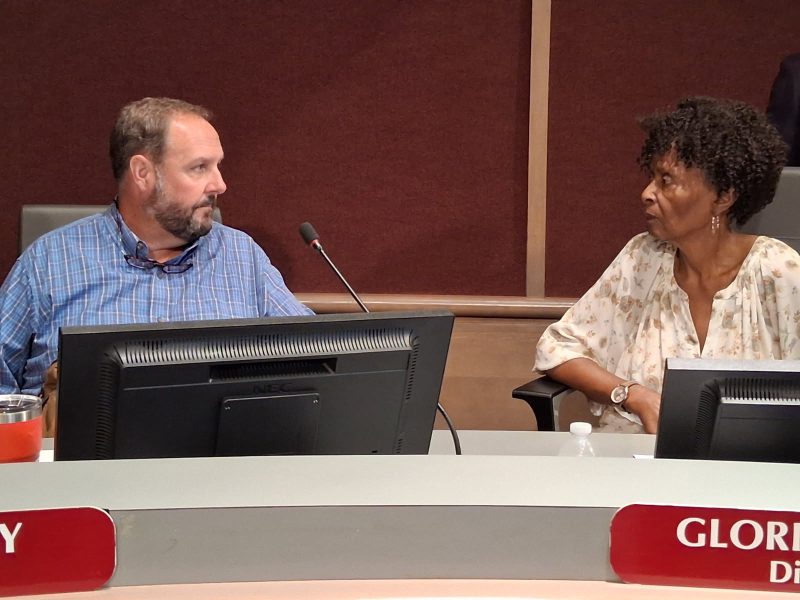
Dougherty Commission considers $104 million budget for 2026-2027 budget year
“The other side of the coin is you could have higher revenues than projected. We’re very conservative in budgeting revenues. That also reduces the need to use fund balance”
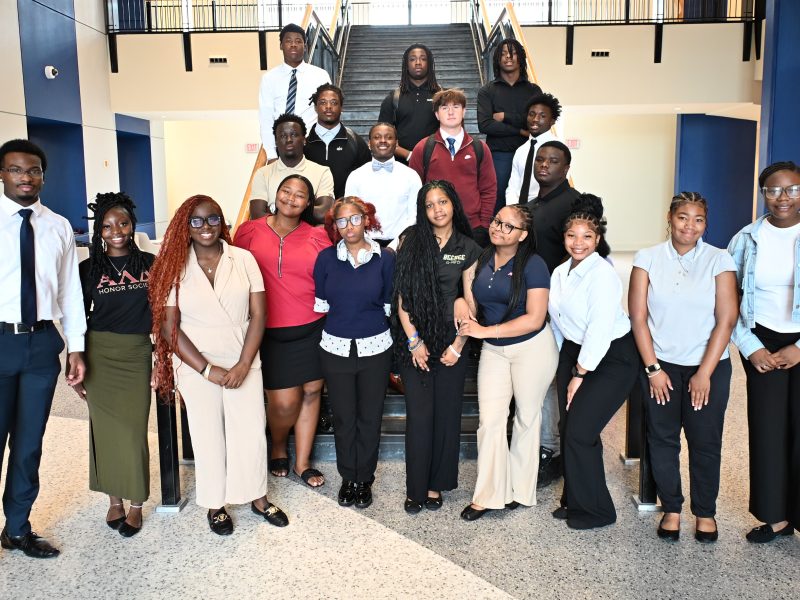
PHOTOS: Albany State Summer Success Academy
Photos by Reginald Christian, Albany State University
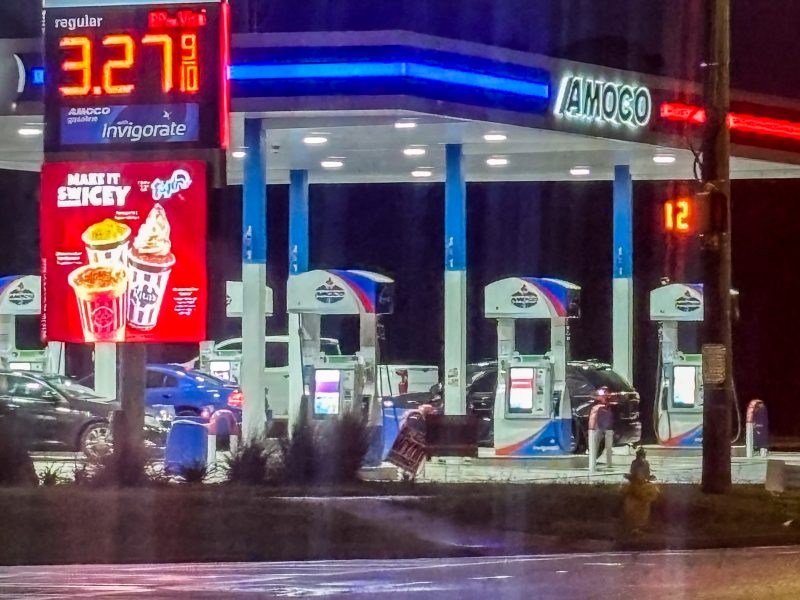
Albany gas prices among Georgia’s lowest as summer fuel costs decline
According to AAA, the average price for a gallon of regular gasoline in the Albany metro area was approximately $3.45 this week, making Albany the second-least expensive metro market in Georgia behind Dalton at $3.41 and slightly ahead of Brunswick at $3.48.
