
Albany lawmakers give their take on 2025 legislative session
Southwest Georgia lawmakers focus on area needs as 2025 legislative session kicks off.

ALBANY – The 2025 state legislative session that begins this week will include plenty of local issues, including requests from Albany Technical College and the Albany Museum of Art totaling $25 million, as well as funding for the county’s Westtown Library.
But the biggest spending proposal is coming from Gov. Brian Kemp: $372 million in spending for the state’s prison system.
Based on an independent assessment, the proposal calls for more staff and pay raises for current employees, as well as repairs to prison facilities and $40 million for planning and design costs for a new prison.
With two prisons located in southwest Georgia, in Calhoun and Mitchell counties, the spending will impact the region.
“We think it’s more than the ($372 million),” state Rep. Gerald Greene, R-Cuthbert, whose District 154 includes a portion of Dougherty County, said. “I have a feeling it’s not enough.
“We just had another murder in a prison due to these gangs. We are just sick and tired of what’s going on in these prisons. We are concerned for the correctional officials. It’s dangerous for these workers in these prisons.”
With average salaries of about $30,000, the salaries of those who work in such dangerous conditions need a boost, the representative said. Prisons also need programs that will allow inmates who leave those facilities to have a chance at rehabilitation.
“We’ve got to have professional people,” Greene said. “Our position should be one where (for) prisoners, I know we’re mad at you when we put you in there … but we’ve got to be at the point of looking at rehabilitation. A lot of times we turn them loose, and they’re worse the next time they come in there.”
Rehabilitation should include programs to give inmates skills for when they leave prison, and their day should be more structured instead of mostly free time, state Sen. Freddie Powell Sims, D-Dawson, said. Inmates should also have the opportunity to learn skills that are relatable to today’s economy.
“There needs to be more of a schedule, an agenda for the day every day,” she said. “There’s too much idle time. There are some jobs programs, but the world has changed drastically since prisons became what they are. The programs now are antiquated.”
In speaking with her constituents, Sims said, opinions vary from those who think prison should be tougher to those who think punishments are too harsh. The reality is that those who go into the system, for the most part, will return to their local communities.
“Usually it’s our communities that are afraid to have criminals coming in and out of them,” she said. “Communities are the ones who suffer the most. We need to get it right. We need to frame this around we are a successful country, we are a brilliant country, and we can figure this out.”
Pay for prison employees is inadequate, the senator said, and that should be addressed. Facilities also should be made safe.
“I believe if you have committed a crime, you don’t ask for a Ritz Carlton to live in every day,” she said. “I think there’s too much free time in prison for you to get into trouble.”
Some of the other big statewide issues legislators will consider this year are more spending on mental health, health care and schools.
Both Greene and Sims are retired educators, and for Sims a big concern is how the state education dollars are spent. Most of the 13 counties in her district do a good job in using the funds for the purposes they were allocated, Sims said, but there is room for improvement.
In some systems, funding for wraparound services that include mental health and other programs meant to improve the learning environment for students and families are not being used effectively, according to Sims. Many of her constituents have told her that services in programs that have been funded are not available in their area, she said.
“We have administrators across the state who do not have a good grasp on what is needed in the schools,” she said. “There are state dollars that are supposed to be going to mental health, health services and the like. If you look at education, the accountability is not there. I would like to see more accountability for all the agencies in the state. We do a decent job, but we can do better. Let’s see where the dollars are going.”
Rural school systems have struggled in recruiting and retaining educators, despite recent investments in boosting teacher pay, and some systems have cut the number of days students are in school as a perk to entice teachers, Sims said. That increases the “brain drain” students experience from being away from the learning environment.
To help boost smaller counties’ ability to bring in teachers and other needed employees like first responders, the state needs to look at increasing affordable housing, she said.
“When we talk about housing, we need to talk about affordable housing for teachers, for police, for service workers, for firefighters,” she said. “We should help teachers with continuing education. We don’t really do that anymore.”
Dougherty County was selected for one of the first two projects funded through Kemp’s Rural Workforce Housing Initiative last year. The 29-unit housing development on Gillionville Road was made possible through a $923,000 grant that allowed the city of Albany to improve sewage infrastructure in the area.
In Albany, City Commissioner Chad Warbington has brought forward another housing project that is looking at building bungalow-type houses on city-owned property in the vicinity of Phoebe Putney Memorial Hospital.
“We’re going to be in support of Chad Warbington seeking more housing,” Greene said. ”That’s something we all need, and it is very important.”
Local legislators also support Albany Tech’s $17.2 million request for a proposed veterans education career transition resource (VECTR) center. The center would assist veterans in making the transition to civilian life. The price tag includes the VECTR center, that would be located on the former youth detention center property on Newton Road, as well as a law enforcement training center.
Greene predicted that the $5 million request for the renovation of the former downtown Albany Belk building as the future home for the Albany Museum of Art will be a tougher sell in the current budget environment.
Although the state has a healthy surplus in its coffers, it also has huge spending items on the agenda. That includes the prison proposal as well as funds to assist in the recovery from Hurricane Helene that ravaged large swaths of the state in September 2024.
Author

Related Articles
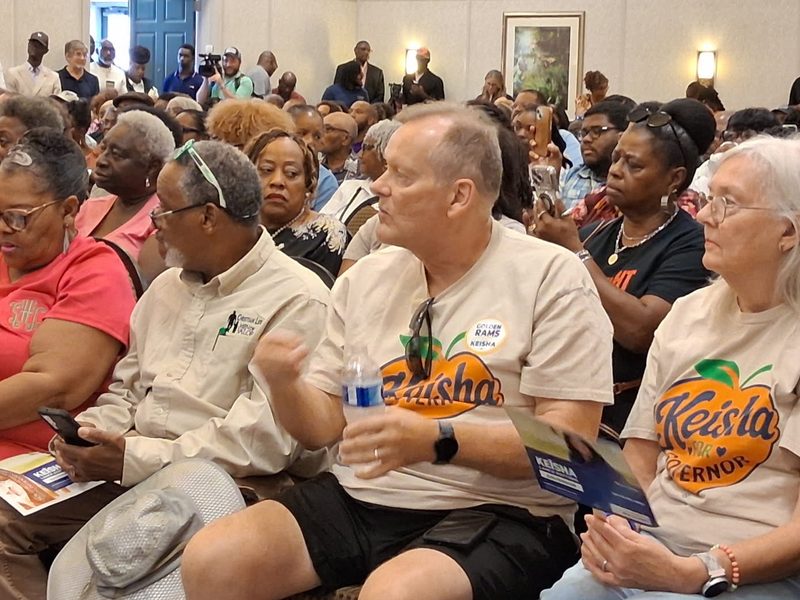
Keisha Lance Bottoms visits Albany during first week of early voting
Democratic gubernatorial candidate Keisha Lance Bottoms made a campaign stop in Albany on Friday. Early voting for the Nov. 3 election runs through Oct. 30.
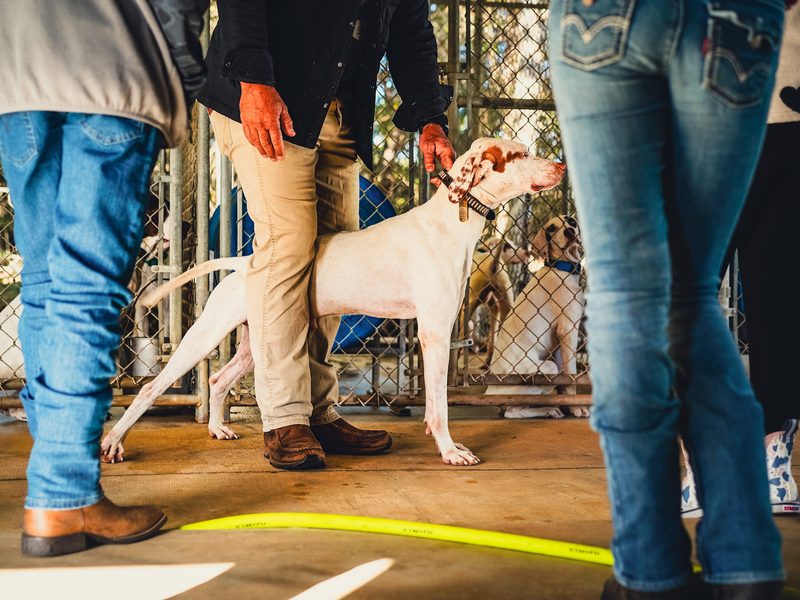
A new generation takes the field in southwest Georgia
At Daniels Kennels on Saturday, the lessons moved from checking dogs’ feet to tying knots, giving horses room and handling a loss. Professional trainers were teaching young people how to compete in field trials — and the daily responsibilities that come with a sport built around animals.
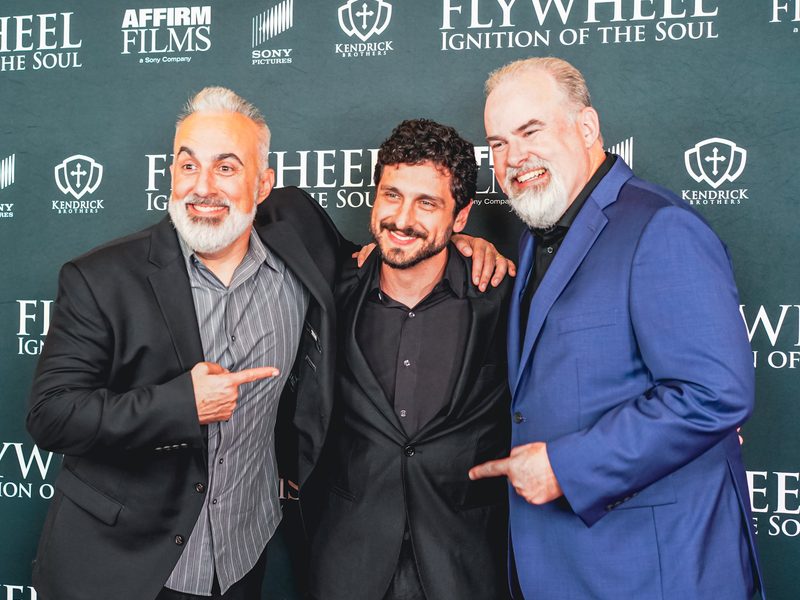
‘Flywheel’ comes home as Kendrick brothers bring Brazilian remake to Albany
Twenty-three years after a $20,000 movie made with church volunteers launched their filmmaking careers, Alex and Stephen Kendrick returned Thursday to the Albany theater where “Flywheel” first reached an audience — this time with a Brazilian cast telling the story.
