
Answering questions coming out of the pandemic
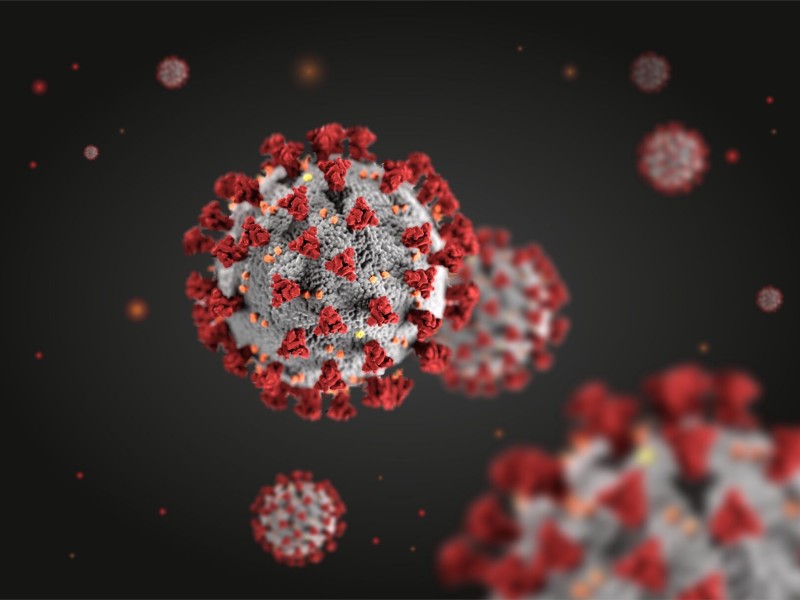
Special Photo
By Melissa Erickson
More Content Now
Coming out on the other side of the pandemic, questions still exist. Dr. Lauren Southerland, emergency medicine specialist at Ohio State University’s Wexner Medical Center, has answers.
Q: Will the vaccine interfere with my prescription drugs?
A: The vaccines have been given to more than a billion people and so far, no drug interactions or problems have been found. If you normally take a daily anti-inflammatory such as acetaminophen (Tylenol) or ibuprofen, you may continue taking them as prescribed. If you do not take any anti-inflammatories daily, then do not “pre medicate” before getting your vaccine dose. This could possibly decrease your immune response to the vaccine, which is what health care officials are trying to create. About a third of people will get some muscle aches, headaches or mild fevers or chills 12 to 24 hours after receiving the vaccine. This means your body is creating a good immune reaction. It is OK to take an anti-inflammatory at that time to help with any uncomfortable symptoms, just as you would if you felt that way from a common cold virus.
Q: What should I expect after my vaccine? Should I still wear a mask?
A: Recent studies out of Israel suggest that people who are vaccinated are very unlikely to transmit the virus unknowingly to others, but until we know for sure, for your safety and that of your loved ones, continue to maintain social distancing and wear masks.
Q: What should we know about the lingering effects of COVID-19, especially among older folks who were hospitalized?
A: Most people who get sick with COVID-19 will recover well, but some (estimated at 10-30%, but we don’t know for sure) will have longer symptoms such as fatigue, “brain fog” or difficulty with memory and concentration, and lingering shortness of breath. Rehabilitation with physical and occupational therapists can help a lot, but older adults in rural areas are far less likely to receive rehab services. A stay in the intensive care unit for severe COVID-19 infection almost guarantees that you will have some delirium and muscle wasting, and good rehab services afterwards can help.
Related Articles

‘Flywheel’ comes home as Kendrick brothers bring Brazilian remake to Albany
Twenty-three years after a $20,000 movie made with church volunteers launched their filmmaking careers, Alex and Stephen Kendrick returned Thursday to the Albany theater where “Flywheel” first reached an audience — this time with a Brazilian cast telling the story.

Heated exchanges, lengthy delays precede Lee school board’s 17.96-mill vote
The Lee County Board of Education adopted a 17.96-mill operating tax rate Thursday after a crowded public hearing and a lengthy wait for a vote that left frustrated residents at the meeting until close to 9:30 p.m.

Turnout steady during first week of early voting in Dougherty County
Early voting started statewide on Tuesday, giving voters three weeks to cast ballots ahead of the Nov. 3 election.
