
ASU hosts Governor’s High Demand Career Initiative discussion
Brad McEwen
ALBANY — Representatives from several Southwest Georgia industries were at Albany State University Wednesday making it clear to local and state educators that a large part of those companies’ future success depends on finding a workforce that has a combination of varying technical skills and requisite soft skills to be successful.
The panel discussion was part of the Governor’s High Demand Career Initiative (HDCI), in which Georgia Gov. Nathan Deal challenged members of the state’s economic development and educational communities to identify high demand careers and devise a way to provide the type of workforce that will attract industry to the state.
The initiatives allows those involved with the training of Georgia’s workforce, primarily the University System of Georgia (USG) and the Technical College System of Georgia (TCSG) to hear about workforce needs directly from the private sector.
“The governor has given us the mandate to go out and have a dialogue with the private sector and identify what is high demand,” said Georgia Department of Economic Development Deputy Commissioner Ben Hames. “What we want to do is figure out how we’re going to gear Georgia’s workforce development infrastructure. What we want to find is action items so that we can gear our efforts toward actually meeting the real demands of industry.”
Wednesday’s meeting at ASU provided an opportunity for companies from the Albany area to share thier thoughts and experiences with a panel that included Hames, USG Vice Chancellor Mark Lytle, and TCSG Executive Director Niki Knox Vanderslice.
“We are very interested and have been a partner with the High Demand Career Initiative since the beginning in finding ways that our colleges can partner with business and industry in their service delivery area and how we can find actionable items to help you achieve the workforce that you need,” said Vanderslice.
The company representatives that shared their data with the panelists included ConAgra Foods Human Resources Manager Kimberly Taylor, Mars Chocolate North America Manager of People and Organization Susan Haynes, Meredian Holdings Group (MHG) Chief Technology Officer Phil Van Trump, National Beef Human Resources Director Mose Kinsey and Teleperformance Recruiting Manager Keesa Thomas.
Although each of the companies operate in different areas and some workforce development issues that are unique, all of them appeared to be facing a lot of similar issues, including difficulty finding employees with a broad enough skill set to not only preform the tasks they were hired to do, but continue to grow and develop throughout their career.
Taylor from ConAgra was the first of the panelists and was the first to mention that her company has trouble finding associates that have the necessary set of soft skills, such as basic communication, to go along with the technical skills needed to fill maintenance, warehouse and utility positions with the company.
Those soft skills and basic skills were also referenced by Haynes who added that Mars runs into issues when trying to find employees who have than the ability to perform basic tasks.
“For us technical skills is one of our biggest challenges,” said Haynes. “It’s not enough for someone to come in and have the ability to press a button. Now we’re looking for candidates that can analyze and maybe fix the equipment. We need candidates that have skill sets not only to actually operate machinery but have the ability to analyze and fix it.”
Haynes added that Mars also runs into challenges when it comes to associates who have a wide range of technical skill sets across multiple disciplines.
“We not only look for maintenance engineers, but industrial engineers,” said Haynes. “Our technicians need to not only have electrical, but they need to have mechanical backgrounds. We’re finding candidates that their experience and background doesn’t always match what we look for when they get on the production floor. We’ve had several openings that have been vacant for a while because we can’t find these specific talents that we’re looking for to fill those roles.”
That idea of having a broad knowledge is also something Van Trump said affects MHG, a bio tech company headquartered in Bainbridge that produces polymers.
Van Trump explained that one of the biggest challenges MHG faces is finding maintenance employees that are skilled in multiple disciplines, which is of concern as the company’s current maintenance crew continues to age.
“We have issues locating and recruiting highly talented maintenance folks,” said Van Trump. “Most people think of maintenance folks as individuals that just repair things and that is a large part of their duties. I would say the average age of our maintenance folks are over 50. We see that in today’s current workforce there is less skill sets compared to the older generation that had a wider range of electrical skills, high tech skills as far as machinery, understanding measurements.”
Armed with the input from the local companies the panel will now look at the information provided and continue to feed that into the GHDCI data in hopes that the state’s educational entities can continue to adapt new ways of training the state’s future workforce, something that is not lost on ASU interim President Arthur Dunning, who shared that it is a big priority not only for ASU, but for Darton State College, Albany Technical College and the Dougherty County School System.
“One of things I’ve noticed since I’ve arrived on this campus is how important education is to the workforce,” said Dunning. “Albany State’s been involved in this for some time. We’re now in a collaboration with Darton State College, Albany Technical College and the Dougherty School System and there’s not a single meeting that we have when we do not talk about the importance of a qualified workforce, a workforce that is ready to go. So this whole idea that the governor’s put on the minds of everybody is huge.”
Related Articles
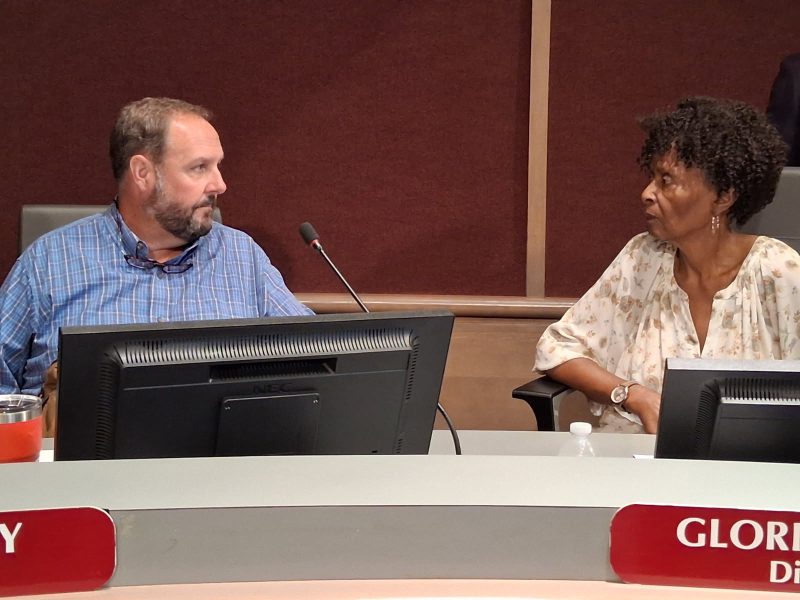
Dougherty Commission considers $104 million budget for 2026-2027 budget year
“The other side of the coin is you could have higher revenues than projected. We’re very conservative in budgeting revenues. That also reduces the need to use fund balance”
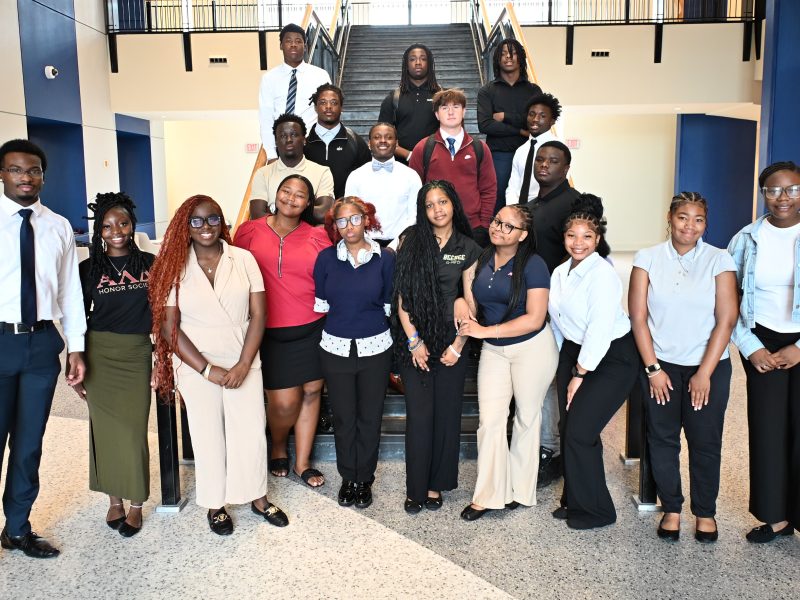
PHOTOS: Albany State Summer Success Academy
Photos by Reginald Christian, Albany State University
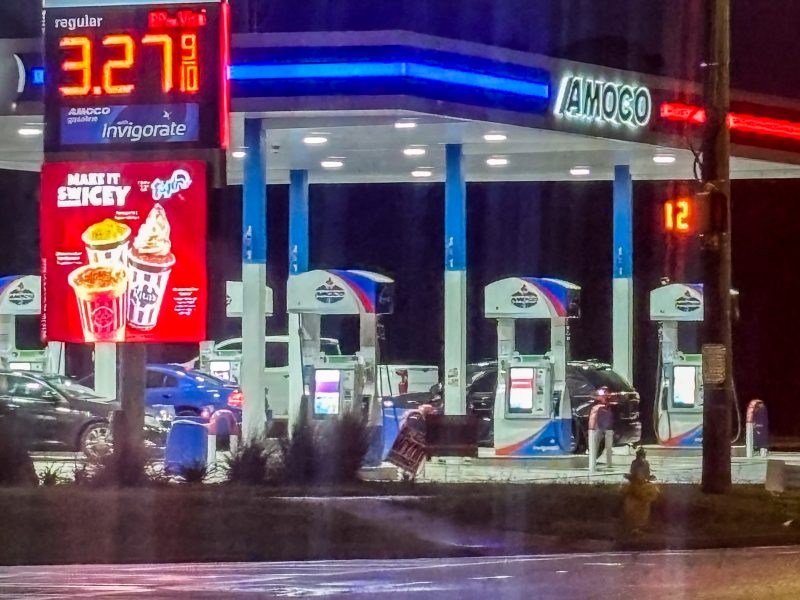
Albany gas prices among Georgia’s lowest as summer fuel costs decline
According to AAA, the average price for a gallon of regular gasoline in the Albany metro area was approximately $3.45 this week, making Albany the second-least expensive metro market in Georgia behind Dalton at $3.41 and slightly ahead of Brunswick at $3.48.
