
BARRY LEVINE: Davy Crockett bagged big bucks in the 1950s
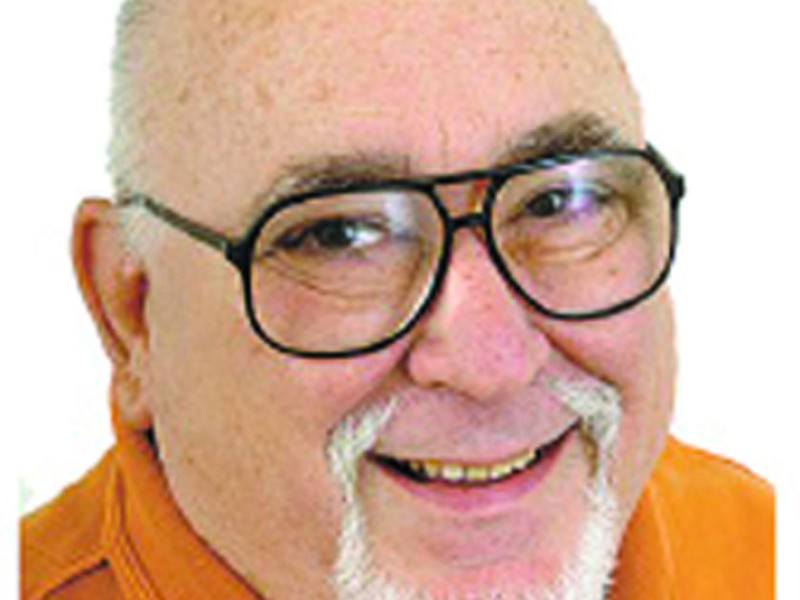
Barry Levine
Nothing grabbed America’s attention during the mid-1950s than the life of folk hero Davy Crockett.
Made into a five one-hour shows that aired on ABC-TV on Dec. 15, 1954, Jan. 26, 1955, Feb. 23, 1955, Nov. 16, 1955 and Dec. 14, 1955, “Davy Crockett, King of the Wild Frontier,” was television’s first miniseries. A byproduct of the show’s success had youngsters wearing Crockett’s trademark coonskin caps and swapping Crockett bubble gum cards. The items generated an estimated $300 million, an incredible amount for that time.
The show also generated the biggest song of 1955 – “The Ballad of Davy Crockett.” Bill Hayes’ version was the most successful, climbing to No. 1 for five weeks from March 16 to April 23. Fess Parker, who starred in the miniseries as Davy Crockett, also had a version and it reached No. 6. Tennessee Ernie Ford’s version jumped to No. 5 and bluegrass singer Mac Wiseman’s cover made No. 10.
This is believed to be the only time four different artists had Top 10 hits with the same song in the same year.
The song also had its famous signature line, “Davy, Davy Crockett, king of the wild frontier.”
Many other major hits also had signature phrases.
Remember David Seville’s hit “The Witch Doctor that topped the charts for three weeks in 1958? Remember its signature phrase “Ooo eee, ooo ah ah ting tang walla walla, bing bang …Ooo eee ooo ah ah ting tang walla walla bing bang?”
Seville, of course, also struck gold as the voice behind “The Chipmunk Song” that was No. 1 for four weeks spanning 1958 and 1959.
The Hollywood Argyles’ “Alley-Oop,” which focused on the comic book character by the same name, climbed to the top of the charts in the summer of 1960. Its key phrase was, “Oop, Oop, Oop, Oop Oop … Alley Oop, Oop, Oop, Oop Oop.”
When the song was released, there were no Hollywood Argyles because Tom Paxton had made the song as a soloist, but he used the name Hollywood Argyles on the record. Paxton had to quickly form the Hollywood Argyles because they were sought to tour the U.S. in 1960.
Earlier in his career, Paxton had Top 40 hits as part of Skip and Flip with “It was I” in 1959 and “Cherry Pie” in 1960.
Manfred Mann, a jazz keyboardist from South Africa, formed the Manfred Mann group in London during the early 1960a. Their first hit, which reached No. 1 in 1964, was “Do Wah Diddy Diddy.”
The tune’s signature phrase was “Singin’, … “Do wah diddy, diddy, dum diddy do.”
The song originally was recorded by The Exciters – and it bombed.
The Tokens had their only No. 1 hit in 1961 when “The Lion Sleeps Tonight” reached the top of the charts. The song’s signature phrase was,”Wimoweh, wimoweh, wimoweh, wimoweh.”
This was the Brooklyn, N.Y., quintet’s second Top 15 hit. They scored earlier in 1961 with “Tonight I Fell in Love.” They had the three other Top 40 hits in 1966 and 1967.
“The Lion Sleeps Tonight” was a South African folk song and was performed more than a decade earlier by renowned folk singer Miriam Makeba. The Weavers, one of America’s premier folk groups, recorded it in 1951 as “Wimoweh” and it reached No. 1 in 1952.
One group whose signature phrase has lasted for more than four decades is Steam’s 1969 No. 1 hit “Na Na Hey Hey Kiss Him Goodbye.”
The signature phrase “Na na na na, na na na na, hey hey-ey, goodbye,” still can be heard at high school sporting events when the visiting team is about to return home tagged with a loss.
This was the Bridgeport, Conn., group’s only Top 40 hit.
This week in rock history – Albany’s own Ray Charles won three categories at the third annual Grammy Awards on April 12, 1961. … Jan Berry, of Jan and Dean, was paralyzed after he ran his Corvette into a parked truck in Beverly Hills on April 12, 1966. Berry suffered total physical paralysis for more than one year as well as extensive brain damage which made it impossible to return to performing for several years. … Dodie Stevens, 13, had her biggest hit when “Pink Shoelaces” reached No. 3 on April 13, 1959. …
Producer Phil Spector married Ronnie Bennett of The Ronettes on April 13, 1968. Bennett filed for divorce in 1972, claiming several instances of alleged cruelty. … Nancy and Frank Sinatra had the No. 1 song with “Something Stupid” on April 15, 1967. They are the only father-and-daughter team to have a chart topping single. … Eddie Cochran, 21, was killed after the taxi in which he was riding blew a tire, then hit a lamp post in London on April 16, 1960. Cochran had hits with “Summertime Blues,” “C’mon Everybody” and “Sittin’ in the Balcony.”
Barry Levine is an entertainment writer for The Albany Herald. He can be reached at [email protected].
Related Articles
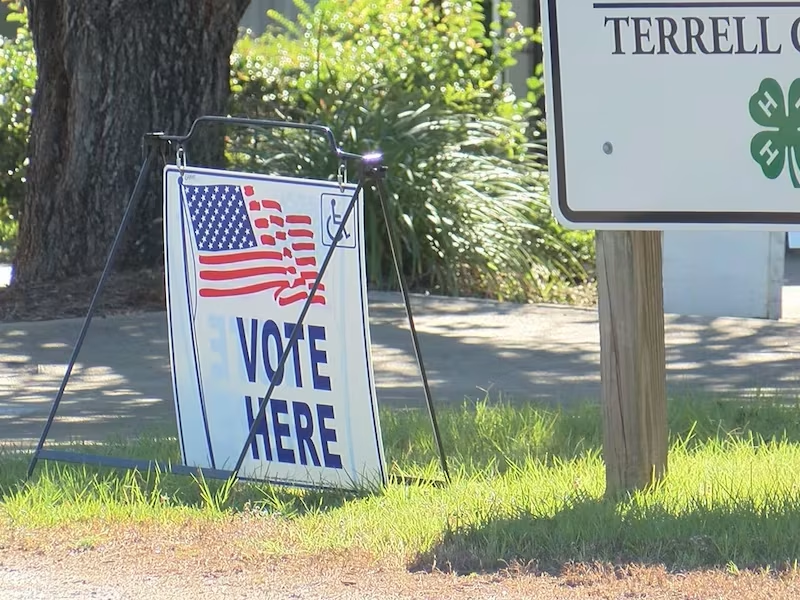
Who decides elections in Terrell County? Data show older voters dominate turnout as turnout declines
According to the Georgia Secretary of State, 1,731 of Terrell County’s 6,048 active registered voters cast ballots in the May primary, a turnout rate of 28.6%. Four weeks later, only 922 voters participated in the June 16 primary runoff, reducing turnout to 15.2%.
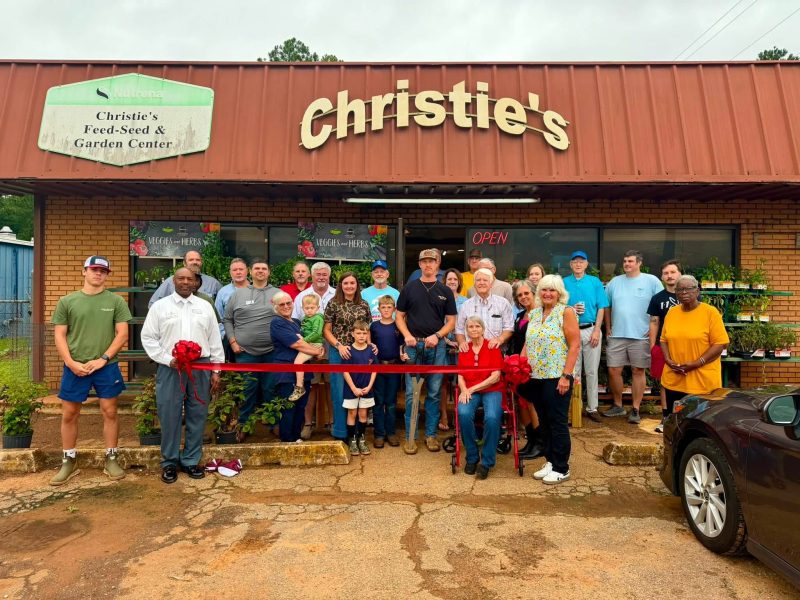
Christie’s Feed & Seed enters new chapter under new ownership
A longtime Dawson business has entered a new era as Riley and Jessie Davis officially assumed ownership of Christie’s Feed & Seed, with the Terrell County Chamber of Commerce marking the transition during a ribbon-cutting ceremony.
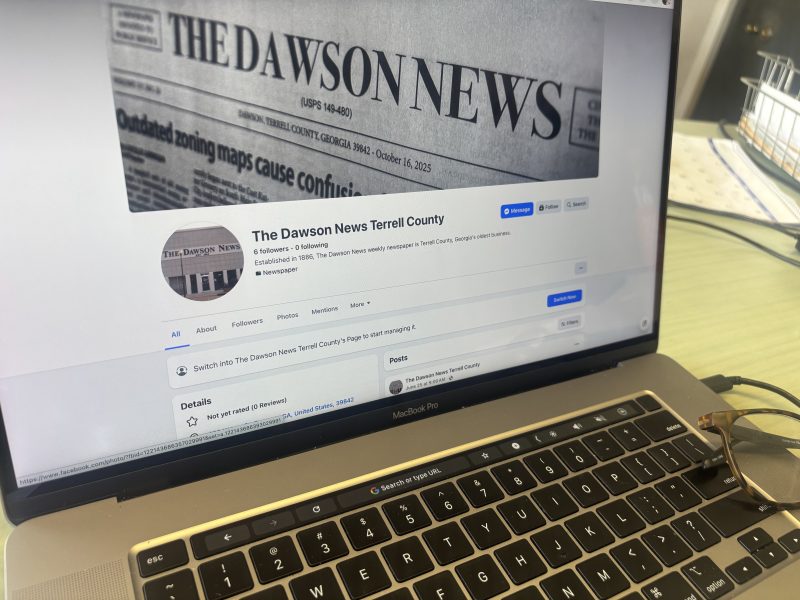
Dawson News grows online with Albany Herald website, Facebook page
Residents can now find Dawson News coverage alongside regional reporting on the Albany Herald’s website while also following breaking news, community events and feature stories through the Dawson News Facebook page.
