
BARRY LEVINE: Doo-Wop group working on behalf of top artists
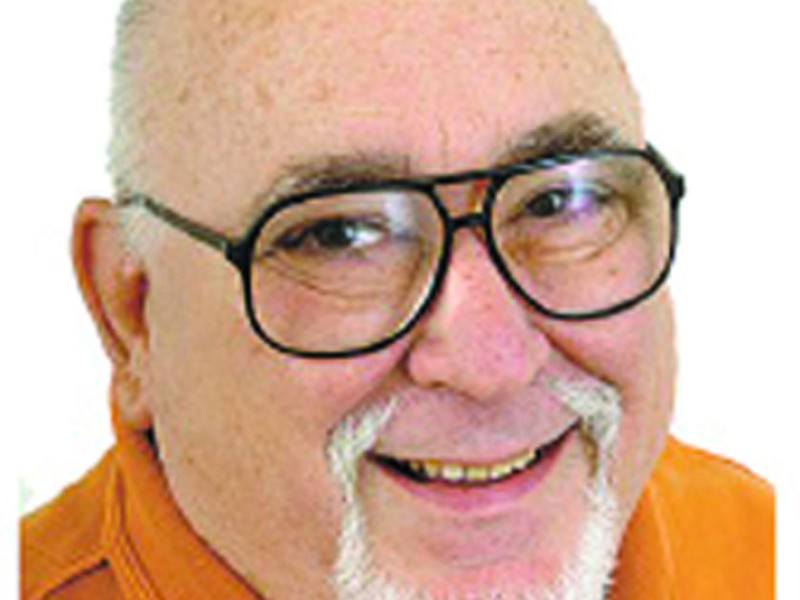
Barry Levine
Anyone who has read the Old Rocker during the past two years knows my utter contempt for the nomination and election of performers for the Rock and Roll Hall of Fame and Museum.
Too many deserving acts from the first decade of rock ‘n’ roll (1955-65) have been bypassed while less-deserving performers have found a place in the Hall.
Two groups, one in the Philadelphia area and another in the Los Angeles area, have started movements to honor the acts from that period as well as preserve the music.
Under the direction of hard-working Charlie DiComo, the Doo-Wop Music Hall of Fame, a non-profit organization, is dedicated to promoting, preserving, perpetuating and developing Doo-Wop music. Through their support of the DWMHOF mission, the genre’s fans honor the legacy of legendary Doo-Wop performers, educate and motivate young people to learn about the origins and the evolution of Doo-Wop music and help support Doo-Wop concerts where music and memories make time stand still.
Among the groups honored at its most-recent induction ceremony in March at the Cerritos Fine Arts Center in Cerritos, Calif., were the original Tokens, Jive Five, Mystics, Dubs and Demensions. All are from New York City.
A Brooklyn quartet, the Tokens had five Top 40 hits including two in 1961 – “Tonight I Fell in Love” and “their No. 1 smash “The Lion Sleeps Tonight,” a cover from The Weavers 1952 hit.
Another Brooklyn group, The Jive Five, featuring Eugene Pitt, scored with “My True Story,” a No. 3 hit in 1961, and “I’m a Happy Man,” a Top 40 hit in 1965.
The Mystics, still another Brooklyn group, had their only Top 40 hit when “Hushabye” climbed to No. 20 in 1959.
Another group that had one hit, the Dubs, from Harlem, scored with “Could This Be Magic,” which reached No. 23.
The Demensions, a Bronx quartet, were successful with “Over the Rainbow” which rose to No. 16 in 1959. The song was introduced by Judy Garland in the 1939 film “The Wizard of Oz.”
Not surprisingly, the Rock and Roll Hall of Fame has not seen fit to honor any of the five groups.
Among the earlier inductees into the DWMHOF were the Dell-Vikings, Jesse Belvin, Clyde McPhatter, Dave Somerville of the Diamonds, the Orioles, Cleve Duncan of the Penguins, Wally Roker of the Heartbeats, Leon Hughes and Adolph Jacobs of the original Coasters and Norman Fox of the Rob-Roys.
DiComo, a 70-year-old Brooklyn native who currently lives in Cerritos, has been involved with the DWMHOF since it was reorganized in 2012.
The organization currently is working to get a 25,000-square-foot building on the site of the Hollywood Racing Track, which closed for thoroughbred racing in 2013. The facility is located near the Los Angeles International Airport.
The gregarious DiComo also revealed that the DWMHOF’s nominating committee already is meeting to make its nominations for the 2016 Hall of Fame ceremonies. Once the committee finalizes its selections, the nominees will be voted upon by the group’s executive committee. DiComo hopes the process will be finalized in the fall.
DiComo also said that he and his organization are working diligently with the late Johnny Maestro’s family to help get him elected to the Rock And Roll Hall of Fame. Maestro, the lead singer of The Crests and Brooklyn Bridge, is one of many performers from beginning of the rock ‘n’ roll era to have been ignored by the Hall of Fame.
The DWMHOF is more than another events production group: the Doo Wop Music Hall of Fame celebrates a lifestyle from bygone days, reminding baby boomers, their parents, children and grandchildren of their shared musical past, while moving forward toward a musically-multicultural future.
Whether the DWMHOF leaders host a group harmony jam at a local venue or take their popular educational program into area schools, they take their stewardship of the Doo-Wop genre seriously.
This week in rock history – The Beatles’ “Get Back” jumped to No. 1 on May 24, 1969, where it stayed for five weeks. The song featured a keyboard solo by Billy Preston, who became the only non-group member credited on a Beatles’ single. … Aker Bilk became the first British artist to have a No. 1 hit in the U.S. when his clarinet instrumental “Stranger On The Shore” reached the top on May 26, 1962. … “That’ll Be the Day” by Buddy Holly & The Crickets was released on May 27, 1957. The song reached No. 3 on the charts.
Herb Alpert & The Tijuana Brass established a record when they had four albums in the Top 10 — “What Now My Love,” “South of the Border,” “Going Places” and “Whipped Cream and Other Delights.” — on May 26, 1966. … Chubby Checker won a Grammy Award for Best Rock and Roll Recording for “Let’s Twist Again” and Albany’s Ray Charles for Best Rhythm & Blues Recording for “Hit The Road Jack” on May 29, 1962. … Ray Stevens, of Albany, had the first of his two No. 1 hits with “Everything Is Beautiful” on May 30, 1970.
Barry Levine is an entertainment writer for The Albany Herald., He can be reached at [email protected].
Related Articles
Who decides elections in Terrell County? Data show older voters dominate turnout as turnout declines
According to the Georgia Secretary of State, 1,731 of Terrell County’s 6,048 active registered voters cast ballots in the May primary, a turnout rate of 28.6%. Four weeks later, only 922 voters participated in the June 16 primary runoff, reducing turnout to 15.2%.
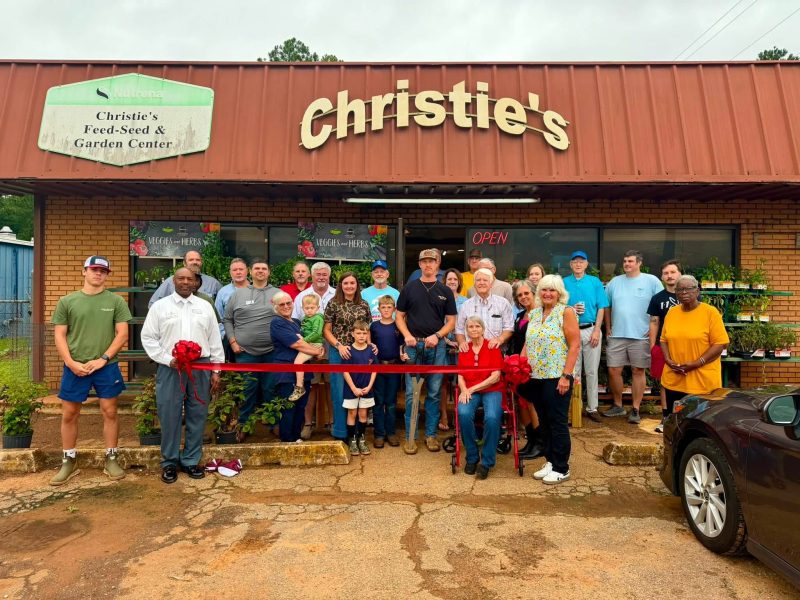
Christie’s Feed & Seed enters new chapter under new ownership
A longtime Dawson business has entered a new era as Riley and Jessie Davis officially assumed ownership of Christie’s Feed & Seed, with the Terrell County Chamber of Commerce marking the transition during a ribbon-cutting ceremony.
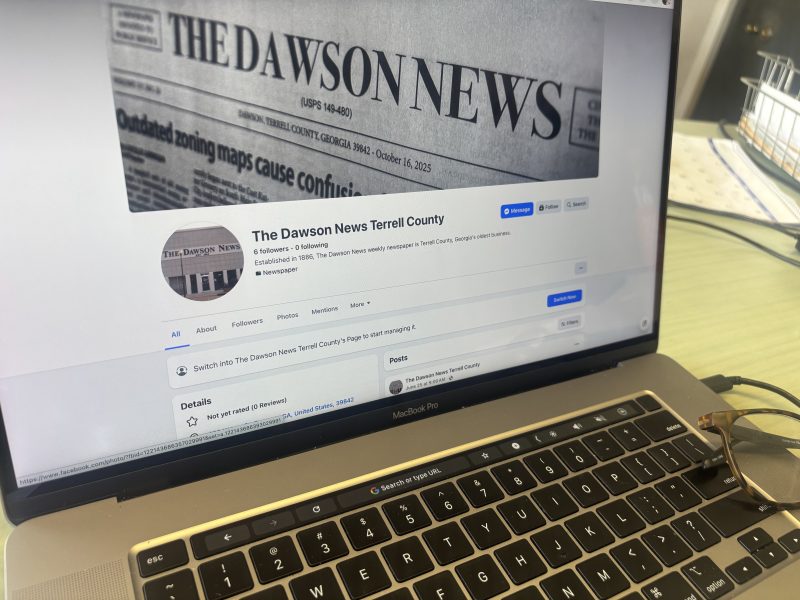
Dawson News grows online with Albany Herald website, Facebook page
Residents can now find Dawson News coverage alongside regional reporting on the Albany Herald’s website while also following breaking news, community events and feature stories through the Dawson News Facebook page.
