
Butch Mosely: School system won’t get involved in Opportunity School referendum politics
Terry Lewis
ALBANY — As supporters and detractors gather for a looming battle over Gov. Nathan Deal’s controversial “Opportunity School District” (OSD) referendum, Dougherty County School System Supt. Butch Mosely made it clear Thursday that the school system will remain neutral in the matter.
The amendment would give the state the power to take over failing schools, convert them to state charter schools or close them down. Deal on Tuesday signed SR287 which will place the referendum on the ballot in November of next year.
The Georgia Department of Education has flagged 139 schools statewide. A school is flagged if it scores under 60 on the state’s College and Career Readiness Performance Index for three consecutive years. The OCD could take over 20 schools per year up to a maximum of 100.
“As far as we are concerned, three out of four members of our local legislative delegation voted for SB133 (which is the foundation of the proposed amendment) and we will not have an official position on the referendum,” Mosely said. “My suggestion to the board of education is to not get involved in politics and let the voters decide.”
Democratic Sen. Freddie Powell Sims co-sponsored SB133 and voted for the bill along with fellow Democrat Rep. Darrel Ealum and Republican Rep. Gerald Greene. Rep. Winfred Dukes, a Democrat, voted against the bill.
Dougherty County currently has six flagged schools on the list — Monroe and Dougherty high schools, Southside Middle School, and Alice Coachman, Morningside and Northside elementary schools.
“We have a five-year plan in place and if it works, the amendment should have no impact on us. That plan will be made pubic soon.” Mosely said. “But we have put benchmarks in place for each school, each grade level and those that are at the 60 percent level, we expect them to make from three to five percent improvement every year.
“I am hopeful we can get all of our schools to the 90 percent level and we think that’s doable. This plan will work with good leadership at the school level with help from the administration.”
Mosely pointed to the recent academic success at Albany High School, which improved its test scores dramatically after spending three years as a School Improvement Grant (SIG) school. Albany was removed from SIG status this school year while Monroe and Dougherty were added to the three-year program.
“We expect to see the same success we saw at Albany at Monroe and Dougherty,” Mosely said.
The proposed referendum amendment required a two-thirds majority vote in both the House and Senate, passing by a single vote in the Senate and a two votes in the House. The narrow margin of passage virtually assures a fight from both supporters and detractors all the way until the 2016 election.
Dukes, citing loss of local control over public schools, has vowed to lead local opposition to the amendment, which reads: “Shall the Constitution of the State of Georgia be amended to allow the state to intervene in chronically failing public schools to improve student performance?”
OSD school decisions would come from Atlanta bypassing local school boards. If approved, the amendment would allow the governor’s office to appoint an OSD superintendent who would have the power to hire and fire principals and teachers and alter the school’s curriculum.
“By signing the Opportunity School District bill, we are promising better days ahead for students trapped in failing schools,” Deal said at the signing. “The power of positive change now rests in the hands of Georgia’s voters, and I know they share my belief that every child can learn and should have access to a high-quality education that prepares them for the workforce or for college.”
Related Articles
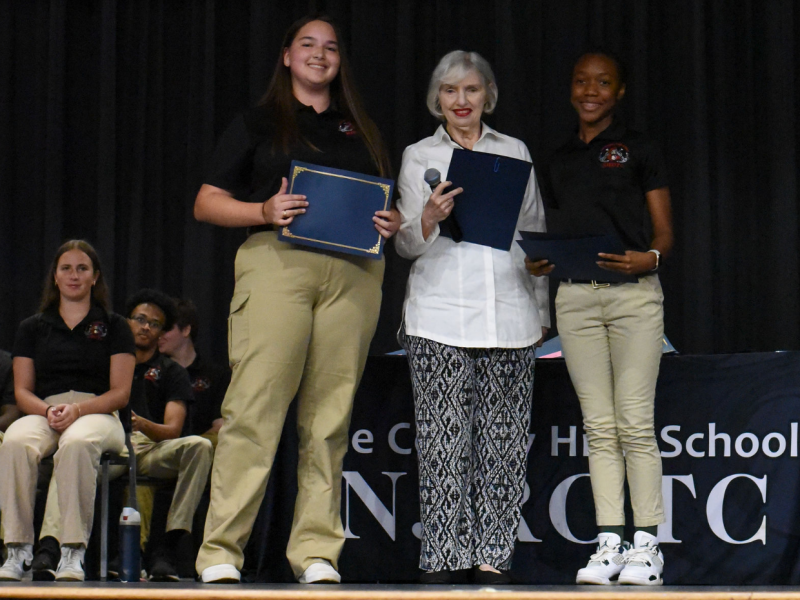
Lee County JROTC cadets honored by DAR for citizenship and leadership
Several Terrell County High School JROTC cadets were recognized for outstanding citizenship, leadership and service during the school’s recent JROTC Honors Night, receiving awards from the Old Herod Chapter of the National Society Daughters of the American Revolution.

Dawson police arrest wanted suspect after Flock Safety camera alert
According to police, May drove into the yard of a nearby residence instead of complying with officers’ commands. He then exited the vehicle and ran into the home on foot.

USDA expands drought assistance as Terrell County farmers continue recovery from dry conditions
As Southwest Georgia farmers continue to recover from prolonged drought conditions that affected planting and crop production this year, the U.S. Department of Agriculture is reminding producers that a range of federal disaster assistance programs remain available while also expanding relief payments through its Supplemental Disaster Relief Program.
