
Camilla resident to head DNR’s Game Management section
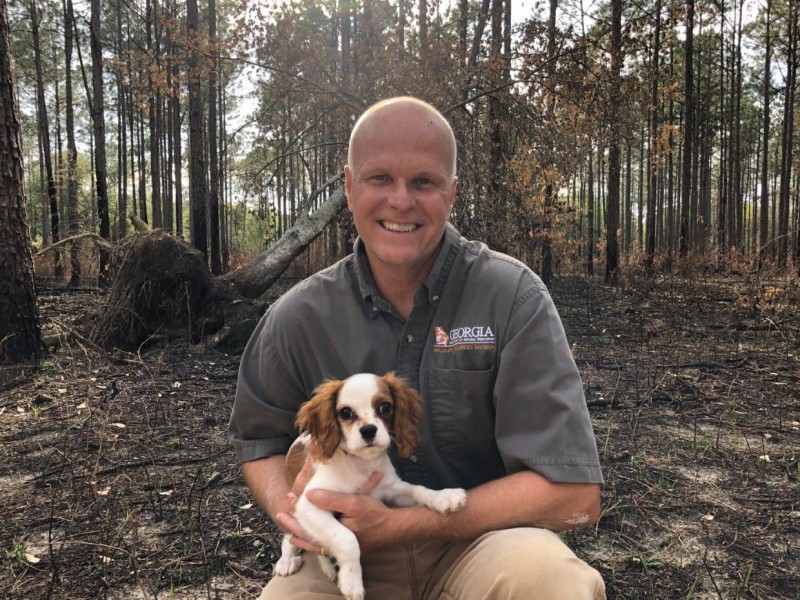
Special Photo: Georgia DNR
By Alan Mauldin
alan.mauldin
@albanyherald.com
ALBANY — As a long-time forester and wildlife conservation official working out of southwest Georgia, Alan Isler is familiar with bobwhite quail and the longleaf pine habitat in which they thrive.
As the new head of the Georgia Department of Natural Resources Game Management Section, he now will add the management of wildlife in other parts of the state to his duties.
Isler started his career in Tifton in 1994, and a year later moved to Camilla.
“I spent the first 10 years of my career with the Georgia Forestry Commission,” he said. “(Starting in) 2004, I worked with the Wildlife Resources Conservation Section.”
In that capacity, Isler worked in habitat restoration for longleaf pines, wetlands and savannas.
“Most of my work was in the field … restoring habit, endangered species, prescribed burning,” he said.
Isler worked in that capacity for 11 years before moving to a new position.
“In 2015 the region supervisor (position) with the Game Management Section became available,” he said. “I just felt led to step up and lead.”
There, Isler continued his work with longleaf pine and savanna restoration, as the region is a quail focal area.
While his new title has him focusing on game management, restoring the native habitat also provides a boost for endangered species, including the gopher tortoise and the red-cockaded woodpecker, said Isler, who started his new job on April 19. The new position will mean moving from Camilla to work in the DNR’s Social Circle headquarters.
“When you manage for species like gopher tortoises, it goes hand-in-hand with wildlife management,” Isler said. “Any work to benefit them, there are natural benefits to other species.”
The reverse also holds true. A recently acquired wildlife area in Webster County being managed for deer also will benefit the tortoises. While considered a nuisance in southwest Georgia, the state’s deer population in the northern part of the state is considered low.
Challenges in wildlife management include the destruction of feral hogs on the state’s soil and farmland.
In January, the Flint River Water and Soil Conservation District Water Conservation District was awarded a $1.5 million grant to combat feral hogs, which cause an estimated $150 million in damage annually to agricultural areas in the state.
Tackling the prolifically breeding animals, which commonly live in family groups called sounders, won’t be easy, Isler admits.
“They’re very destructive, but we’re very hopeful,” he said of the possibilities of the grant in implementing control techniques, including trapping and firearms. “It will look at how best to deploy multifaceted techniques for control.
“I know a lot of work has to be done. The best we can hope for is a multifaceted approach to try to bring them to more manageable numbers.”
Isler’s new job entails directing statewide wildlife and land programs, development of the game management budget and supervision of the state’s wildlife management areas.
“It’s just a passion (I have) for serving people, serving the public,” he said. “I love preserving our state’s resources. I think that’s a great responsibility. There are a lot of great men and women (involved in) this.”
Author

Related Articles
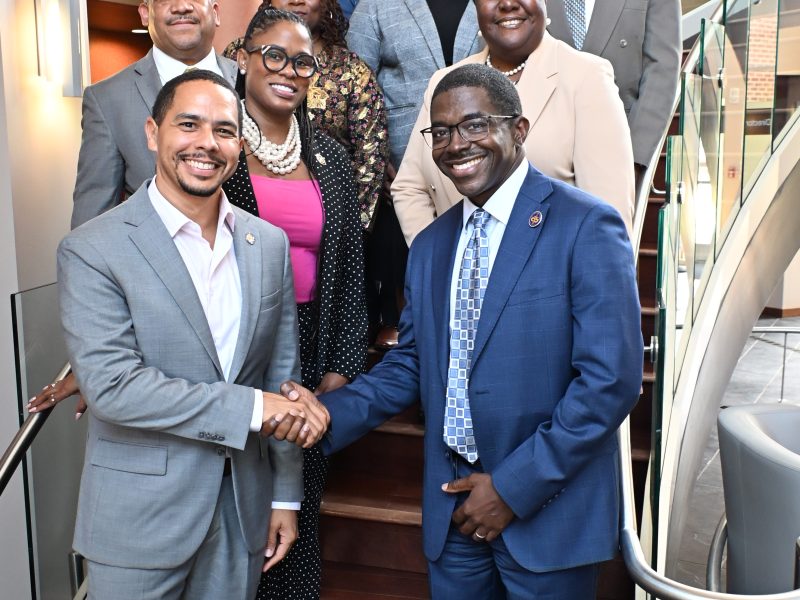
PHOTOS: Albany State campus tour with Senator Jaha Howard
Click the arrow to scroll through the photos.

Foreclosures jump 52.9% across the region as buyers regain negotiating power
In Dougherty County, the number of residential properties advertised for foreclosure has nearly doubled this year. In neighboring Lee County, developers are preparing to add hundreds of new houses and apartments, including homes aimed at buyers who have struggled to find newer housing at an attainable price.
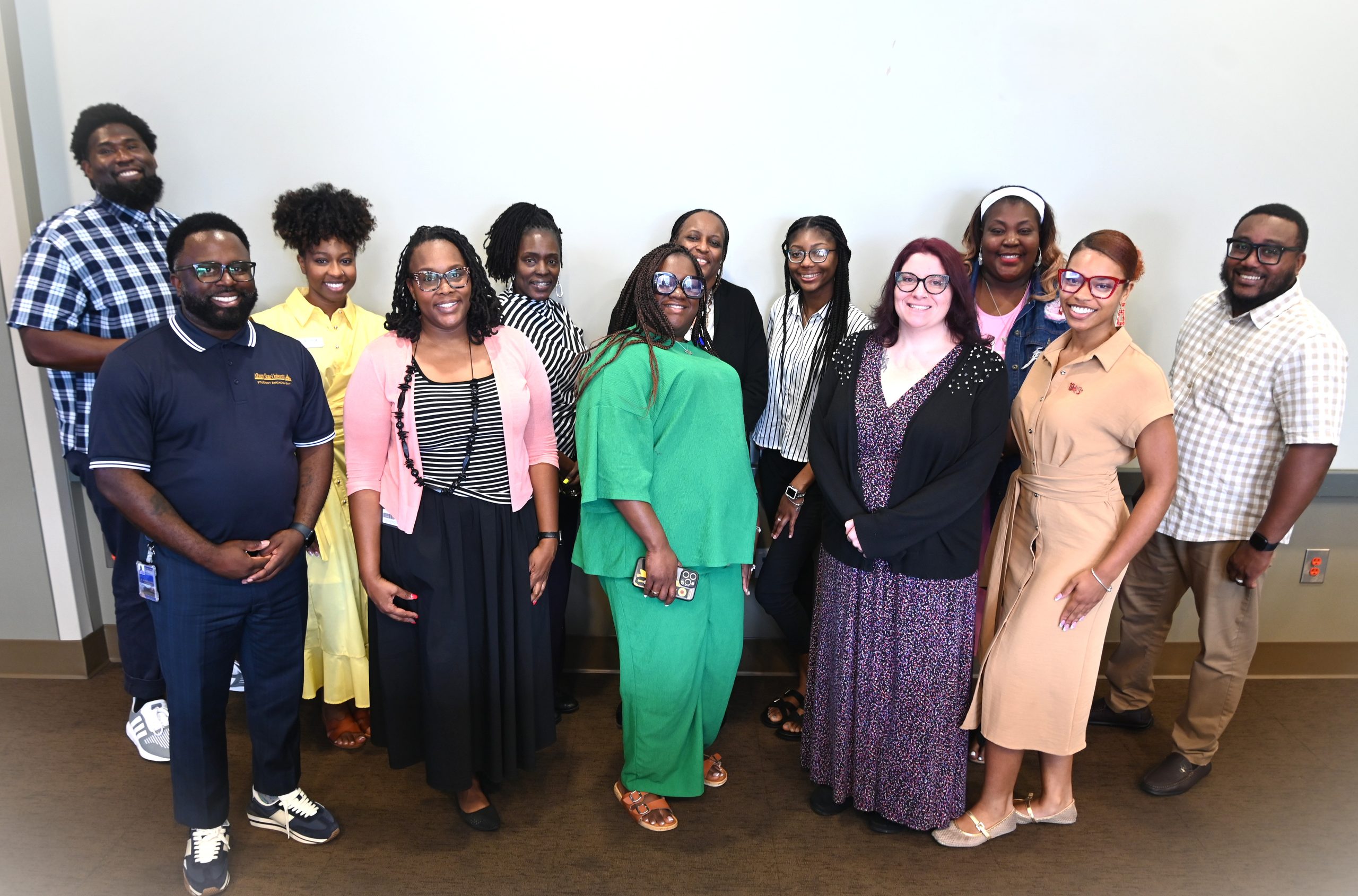
PHOTOS: Albany State New Employees Luncheon
Click the arrow to scroll through the photos.
