
CREEDE HINSHAW: ‘Watchman’ creates furor among Atticus Finch fans
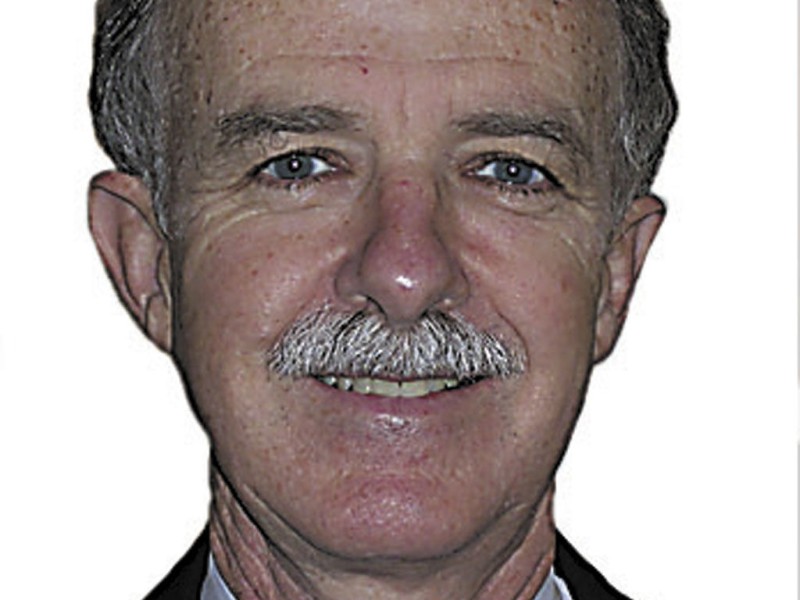
Creede Hinshaw
This week’s publication of Harper Lee’s long anticipated novel “Go Set a Watchman” has created a furor regarding the fictional Atticus Finch, one of America’s most beloved and courageous heroes in Lee’s Pulitzer Prize winning novel, “To Kill a Mockingbird.” In the new novel, an aging Finch displays none of the courage and passion for racial justice that made him a hero in America’s fictional pantheon.
In light of this whirlwind of activity, I reviewed the religious climate in Alabama in the 1950s, specifically in Monroeville (Lee’s home) and Montgomery.
The Lees were faithful Methodists. Harper’s father, Amasa Coleman Lee, an attorney who most agree was the role model for Atticus Finch, was a lay Methodist preacher, a leader at First Methodist Church Monroeville, a teetotaler and a member of the Alabama Alcohol Control Board. Reports call him “devout.” Harper’s sister Alice served with distinction in regional and national Methodist affairs throughout her long life and Harper began her college education at Methodist Huntington College.
The 1950s challenged white or black Southerners (or Northerners) who advocated for racial inclusivity and equality, and most white churches resisted integration or tried to remain neutral.
In 1952 the First Methodist Church of Monroeville was served by the Rev. Ray Whatley, a courageous pastor, who, believing that the gospel required him to speak about racial inequality and the need for repentance and change, did so from the pulpit in that small Alabama town.
After one of his sermons, he was immediately confronted by Harper Lee’s father, who sternly ordered the clergyman to stop preaching about social issues and stick to preaching the Bible. Mr. Lee made it clear that he did not believe in race mixing.
When Whatley next crossed the line, the leaders of the Monroeville Church demanded that the bishop assign them a new preacher who was more “evangelistic” and Whatley was reassigned to a Methodist Church in Montgomery, where he continued to preach about racial equality and was elected president of the Montgomery Chapter of the Alabama Council on Human Relations, sharing leadership with vice president Martin Luther King, Jr..
When Whatley supported the Montgomery bus boycott, he was forced out of this church, too, and sent to an Alabama county where racist sentiments were so strong that the new church asked for his replacement within months of his arrival.
During the time of the 1956 Montgomery bus boycott, the Alabama-West Florida Methodists held their annual meeting in Montgomery. Records of that conference indicate that not one official word ever acknowledged a boycott was taking place. That conference instead passed a resolution pleading with the Methodist Publishing House and all general church agencies to resist bringing about racial change in the church.
Happy postscript: By the mid 1950s, reports indicate that Harper Lee’s father and became a defender and spokesperson for racial harmony and inclusiveness, a change of heart in keeping with historic Methodism and mirroring the attitudes of his fictional alter ego. Gradually the church – often kicking and screaming – became an advocate for integration and racial justice, too.
Sources: “Mockingbird: A Portrait of Harper Lee” by Charles Shields (2006), “When the Church Bells Rang Racist: The Methodist Church and the Civil Rights Movement in Alabama” by Donald Collins (1998) and “Southern White Ministers and the Civil Rights Movement” by Elaine Allen Lechtreck (2007).
Creede Hinshaw, of Macon, is a retired methodist minister.
Related Articles
Dawson proposes borrowing up to $420,000 to stay afloat as finances unravel
Documents obtained by The Dawson News show city officials are proposing to balance the budget through a transfer from the Public Utilities Fund while simultaneously seeking authority to borrow as much as $420,000 from a private financial institution to continue meeting payroll and other operating expenses as Dawson works to complete financial audits that have remained unfinished since 2023.
Albany Herald – July 11, 2026
Putting on the Ritz… Food, mini menagerie provide… Albany City Commission set to vote on… Following Lee’s lead, Terrell County hits…

Classifieds – July 11, 2026
Albany Classifieds and Legals: Real Estate; Merchandise, Misc…
