
Despite recent warm winters, potential danger lurks
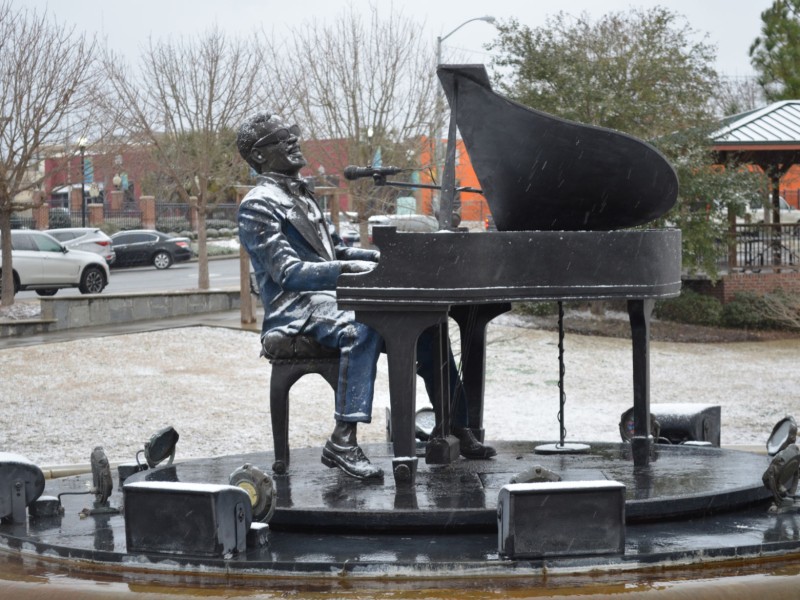
File Photo
The National
Weather Service
TALLAHASSEE, Fla. — Despite what has been relatively mild winter weather in recent years, the National Weather Service is reminding residents that Winter Weather Preparedness Week for Georgia is this week.
The main threats from winter weather across the Southeast stem from snow and ice storms. Last winter season (2019-2020) was the second warmer-than-normal winter in a row. With the warmer temperatures, there was only one significant winter weather event last season, a quick snowfall event in north Georgia in February.
Other seasons, though, can be even more active. For instance, the winter of 2017-2018 was more eventful and brought a couple of impactful winter weather events. The most significant winter storm was a very early heavy snow event in December 2017 across much of north Georgia. Some locations received a foot of heavy, wet snow that left numerous downed trees and widespread power outages. Now that we are heading back into the winter weather season, it’s time for Georgians to review winter weather plans to make sure they are prepared.
Ice is one of the major winter weather problems across the Southeast. The accumulation of ice on trees and power lines can cause these items to topple. Communications can become disrupted, and roadways can become blocked. Bridges and overpasses generally freeze before other surfaces. In addition, ice can form on the roadway and not even be visible to the driver — this is known as black ice. During the winter of 2010-2011 north and central Georgia witnessed such an event with the snow and ice storm of Jan. 9-10. More recent ice events occurred in February 2014 and again in February 2015. It is important to have an emergency kit in case ice makes roadways hazardous and the transportation system becomes disrupted.
Wind chill takes into account how wind and cold feel on exposed skin rather than solely the actual temperature. As the wind increases, heat is carried away from the body at an accelerated rate, driving down the body temperature. Animals are also affected by wind chill.
Frostbite and hypothermia are two health hazards associated with cold weather. According to the National Oceanic and Atmospheric Administration’s (NOAA) “Winter Storms: The Deceptive Killers” handout, frostbite is damage to body tissue caused by extreme cold. A wind chill of -20°F will cause frostbite in just 30 minutes. Frostbite causes a loss of feeling and a white or pale appearance in extremities, such as fingers, toes, ear lobes or the tip of the nose. If symptoms are detected, get medical help immediately. For those who must wait for help, slowly rewarm the affected areas. However, if the person is also showing signs of hypothermia, warm the body core before the extremities.
NOAA’s brochure discusses how hypothermia is a condition that can kill and is brought on when the body temperature drops to less than 95°F. Warning signs include uncontrollable shivering, memory loss, disorientation, incoherence, slurred speech, drowsiness and apparent exhaustion. Take the person’s temperature, and if below 95°F, seek medical care immediately.
It is important to have a safety kit both at home and in the car that can be used not only in winter weather situations but also for other emergencies. Ready Georgia provides a list of items to include in an emergency kit. The following safety tips are provided by NOAA, the Federal Emergency Management Agency (FEMA) and the American Red Cross:
If caught outside in a winter storm, try to find a shelter. If no shelter is available:
♦ Try to stay dry;
♦ Cover all exposed body parts;
♦ Build a fire for heat and to attract attention.
♦ If stuck in a vehicle during a winter storm:
♦ Stay in your vehicle;
♦ Run the motor about 10 minutes each hour for heat;
♦ Open the window a little for fresh air to avoid carbon monoxide poisoning;
♦ Turn on the dome light at night when running the engine to be visible to the rescuers;
♦ Tie a colored cloth, preferably red, to your antenna or door;
♦ After snow stops falling, raise the hood to indicate you need help;
♦ From time to time, move arms, legs, fingers and toes vigorously to keep blood circulating and to keep warm.
If inside during a winter storm:
♦ Stay inside;
♦ When using alternate heat from a fireplace, wood stove, space heater, etc. use fire safeguards and properly ventilate.
If there is no heat:
♦ Close off unneeded rooms;
♦ Stuff towels or rags in cracks under doors;
♦ Cover windows at night;
♦ Eat and drink. Food provides the body with energy for producing its own heat. Keep the body replenished with fluids to prevent dehydration;
♦ Wear layers of loose-fitting, lightweight, warm clothing. Remove layers to avoid overheating, perspiration and subsequent chill.
Related Articles

Dougherty Commission considers $104 million budget for 2026-2027 budget year
“The other side of the coin is you could have higher revenues than projected. We’re very conservative in budgeting revenues. That also reduces the need to use fund balance”

PHOTOS: Albany State Summer Success Academy
Photos by Reginald Christian, Albany State University
Albany gas prices among Georgia’s lowest as summer fuel costs decline
According to AAA, the average price for a gallon of regular gasoline in the Albany metro area was approximately $3.45 this week, making Albany the second-least expensive metro market in Georgia behind Dalton at $3.41 and slightly ahead of Brunswick at $3.48.
