
Documentary filmmaker Clennon King’s black history video focuses on Albany
Staff Photo: Alan Mauldin
By Alan Mauldin
[email protected]
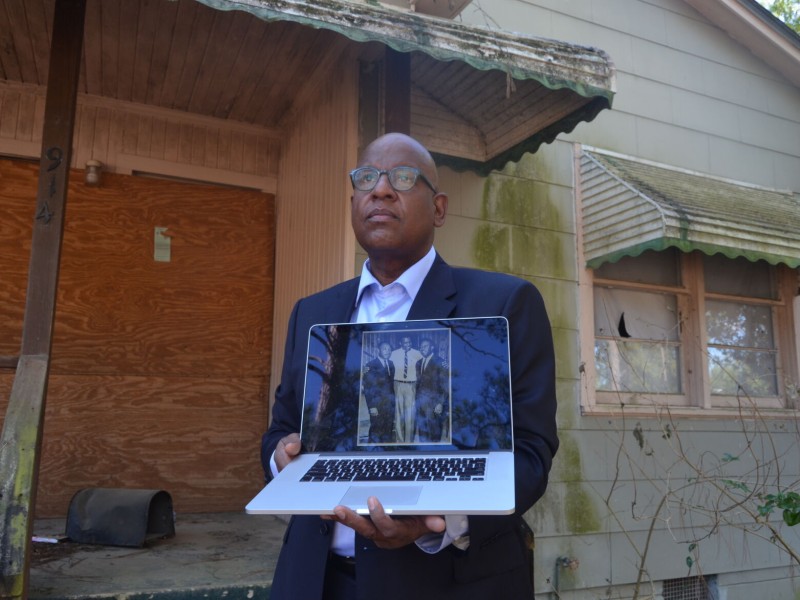
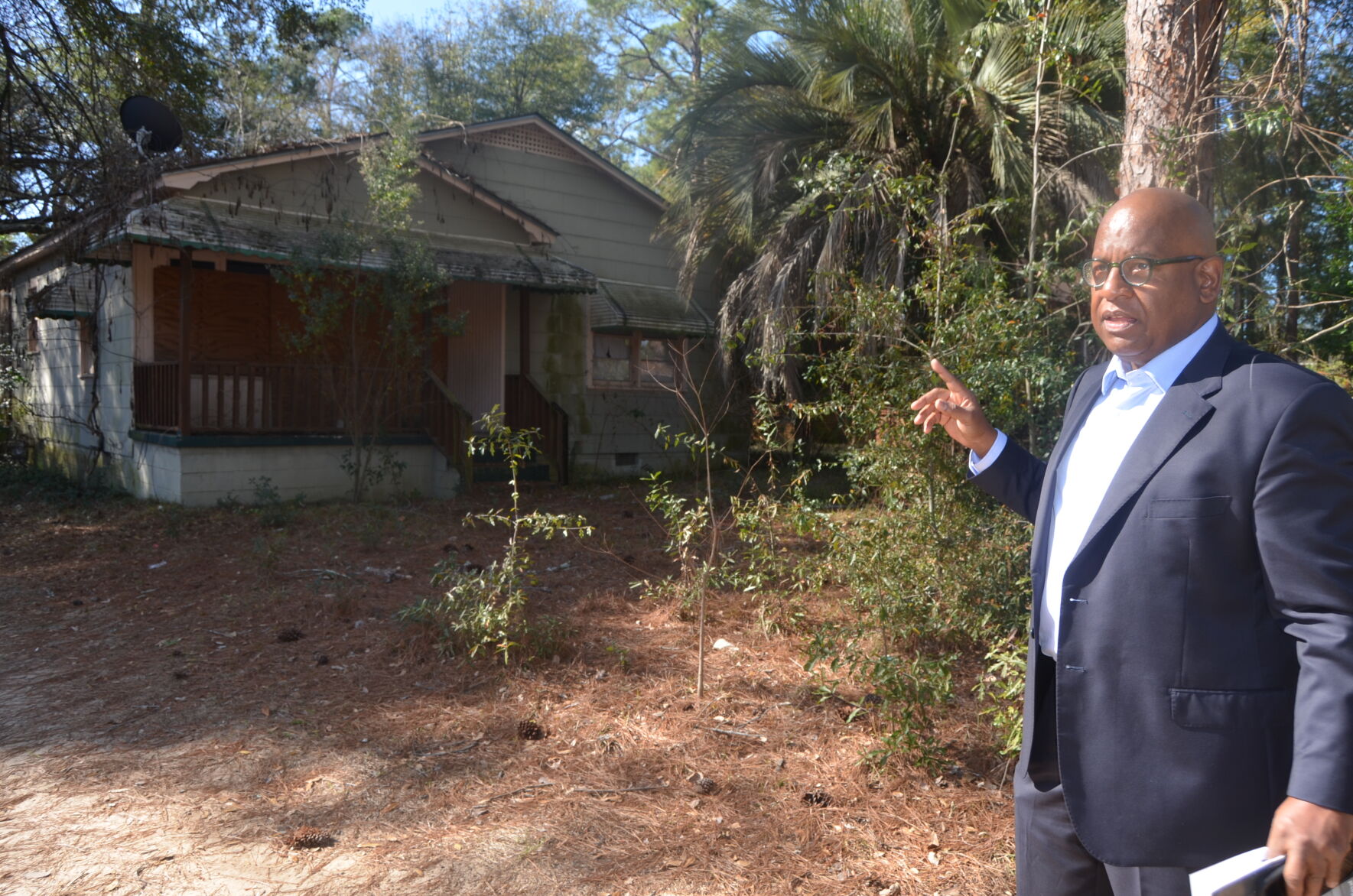
ALBANY — Standing in front of a boarded-up house on Cedar Avenue, Clennon King points to landmarks from the Albany Civil Rights Movement.
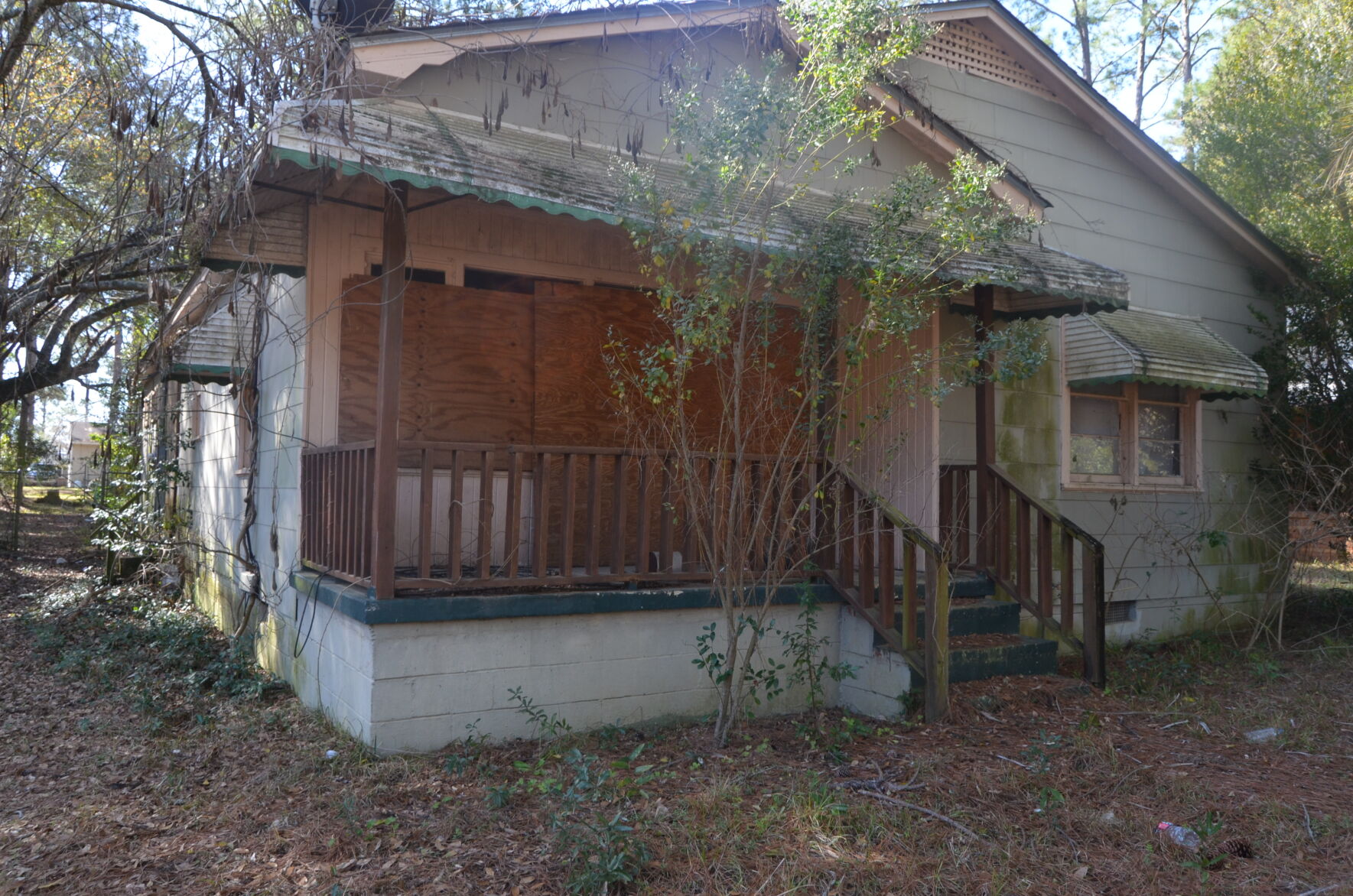
The 914 Cedar Ave. residence was the home of Dr. William G. Anderson, the first president of the movement. Across the street at the time lived Slater King, the movement’s second president and Clennon King’s uncle.
King, son of the late civil rights attorney C.B. King, pointed out the backyard at Slater King’s former residence, where meetings were held because of concern that listening devices had been placed inside the house.
Anderson’s backyard was the site of news conferences, and King recalled that Tom Brokaw and other reporters sat on a chimney structure that is still standing.
“This is holy ground,” he said.
The house also was notable as the site where the Rev. Martin Luther King Jr. stayed while traveling to Albany without his wife. When he was accompanied by Coretta Scott King, the couple stayed at the Cabin in the Pines, a hotel for black people during those segregated days, at 2100 River Road, now named Martin Luther King Jr. Drive.
In celebration of Black History Month, King, a documentary filmmaker, has put together a 10-question quiz, with one bonus question, about Albany history.
Want to know whether the only opponent to defeat former President Barack Obama was born in Albany? Or whether Albany produced a Grammy Award winner not named Ray Charles?
Check out the quiz at https://vimeo.com/678930473.
The concept of the 10-minute video is that of one the filmmaker used in an MLK quiz based on the late civil rights leader’s time in Boston. King learned that few could answer the true/false questions related to the subject of King’s life in one of five cities in which he spent a significant portion of his life.
“Most people were flat-footed,” Clennon King said.
It is up to the black community to preserve and share its history, the filmmaker said.
“Our community was looking to another community to tell us our history, which is garbage,” he said. “We owe it to our ancestors and our heirs to carry on these stories. These are stories my father used to tell me. I think I owe it to him.
“I think a lot of it’s tied to self-esteem — (if) you know your stories, you feel good about yourself.”
Albany is the “blackest major city” in the state, and King’s video gives a taste of what those residents have accomplished. He said he would like to see the history taught to children who do not get the depth of knowledge from what they are taught in school.
“We’ve got all these churches that are empty on Saturdays,” he said. “Let’s do that on weekends. Albany is extremely important in terms of black history.
“I just scratched the surface. These kids need to know that. We shouldn’t be dependent on the state to tell us our history.”
The house where Anderson once lived is in disrepair. While viewing the backyard area, it was noted that someone had forced open the back door. King said he thinks that there should be some effort to preserve the house that sits in a historic district.
“Albany always tears down its history,” he said.
Author

Related Articles
Albany recycling center enacts material separation rule
Mixed items will no longer be accepted at the Albany recycling center at its 2521 Meredyth Drive facility. Individuals will now be required to separate items befor they will be accepted.

Wild Game Dinner marks 34 years as South Georgia Scouting reaches for next generation
More than a century after organized Scouting first took root in Southwest Georgia, local leaders say the program is working to preserve its traditional mission while adapting to a new generation of young people.
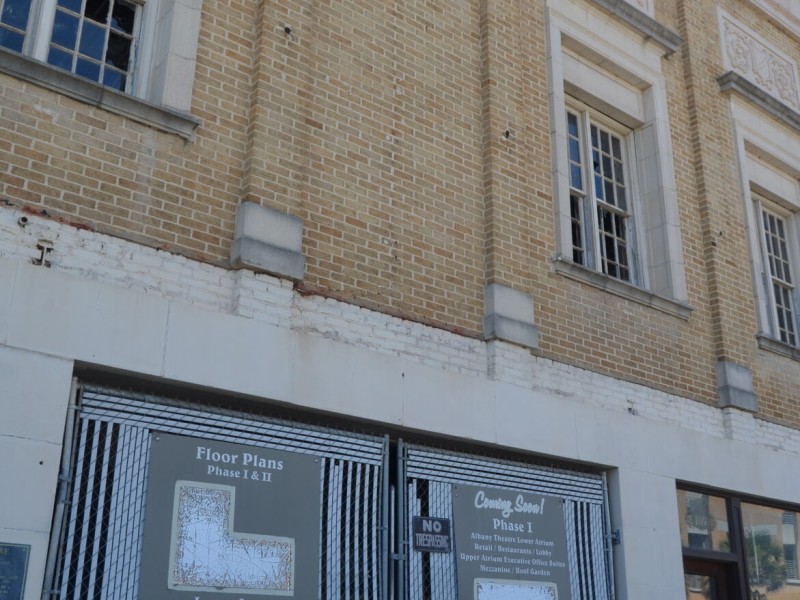
Albany City Commission takes action on proposed downtown hotel, two theater renovation projects
“We’re taking the original building back to, hopefully, it’s glory days. One of the cool things about the project is we are going to restore the balcony. It’s going to have a balcony, so it’s going to be super cool.”
