
Dougherty County School System continues to outperform state in graduation rates; has plans to address other challenges
Special Illustration
By Lucille Lannigan
[email protected]
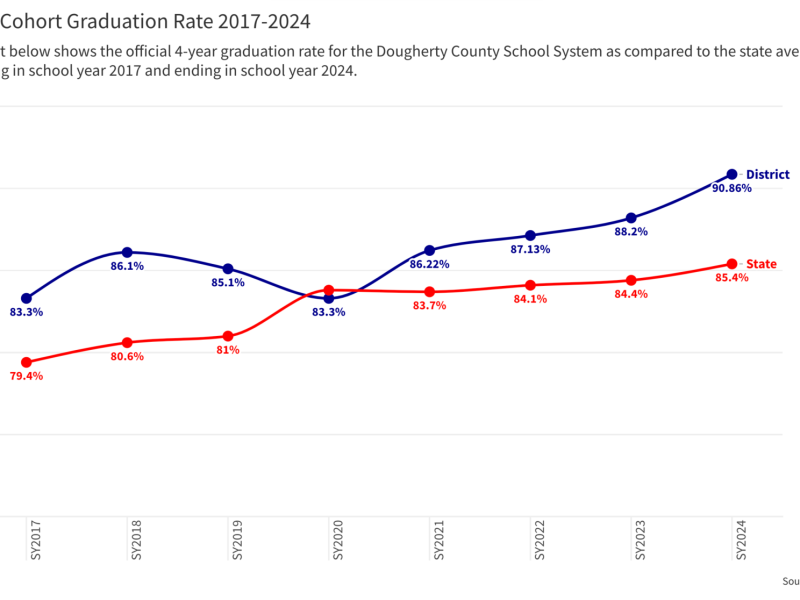
ALBANY – Since 2021, the percentage of high school seniors who graduated within four years in the Dougherty County School System has topped the state average. This year, the system’s students continued the trend.
This steady increase, according to numbers released by the Georgia Department of Education, comes despite continuing challenges related to the COVID-19 pandemic. The system had previously topped the state average for three years in a row, until the pandemic year, 2020. DCSS’ graduation rate now sits at 90%, compared to Georgia’s 85.4%. This is about a two-percentage-point increase from the previous school year.
“We’re proud of our students and educators for the tremendous progress they’ve made,” Superintendent Kenneth Dyer said. “Our focus on ensuring that our students are provided rigorous and relevant educational experiences is showing remarkable results.”
Of the 2024 graduates, 136 graduated with honor. One-hundred-twenty-four graduated with either an associate’s degree or technical college certificate, and 132 earned an industry-recognized credential in areas such as certified nursing aid assistant.
Still, the school system faces challenges. While it celebrates a 90% graduation rate, it lags behind the rest of the state in content mastery. School leaders point to students living in high poverty areas as a root cause. Because of these challenges, DCSS developed a holistic strategic plan that targets five areas for improvement: social-emotional wellness, early literacy, academic rigor and relevance, investment in human capital, and family and community engagement.
The state DOE breaks down high school graduation rates by high school. Westover Comprehensive High School had a rate of 95.7%. Dougherty Comprehensive High School had a rate of 88.1%. Monroe Comprehensive High School had a rate of 88%. However, both Dougherty and Monroe rank among the bottom 10% of Georgia schools as far as performance, according to U.S. News and World Report.
In 2022, all but three DCSS elementary schools had less than 30% of their students reading at or above grade level – that number has since increased to between 37% and 82% for the 2023-2034, according to Georgia Milestones Data.
Dyer said these stats don’t dismay the district and its students but rather motivates them. He said focusing on the school system’s rankings and performance are taking a snapshot that doesn’t tell the whole story.
“You have to look at it longitudinally and see where we started, and then where we are, and then our plan for where we’re going,” Dyer said.
He said the system is not focused on state performance averages being higher but rather on the gap that exists between the state average and DCSS performance. Each year, the school system works to get closer to closing that gap.
“That gap continues to shrink, and then at some point we want to reach the state average,” Dyer said. “Then if we continue to outpace the state and turn to growth, then we’ll surpass the state average.”
However, in order to do this, Dyer said the school system doesn’t just focus inside the classroom but also outside it.
“With poverty being a significant issue in our area … there are a lot of needs that some of us take for granted that a lot of our students don’t get met,” he said.
Dyer said Dougherty County has a significant homeless population, and many students suffer through food insecurity or lack of access to basic health care. He calls these non-academic barriers.
“If they’re not addressed, they hinder a student’s ability to learn,” he said. “So a teacher could be doing the best they can in the classroom … but if a child is not in a headspace to receive that, then it doesn’t matter. We need to create conditions in which students can learn and provide that support system that addresses those barriers.”
Over the next few weeks, The Albany Herald will break down the school district’s strategic plan that supports students, their families and teachers to work toward growth and improvement. It will take a detailed look at the resources being provided to students to improve things like literacy or aid students with college preparation as well as the funding that goes into these resources. Keep up with the series on our website (AlbanyHerald.com) and in the print version of the paper.
Author

Related Articles
PHOTOS: Albany State-HBCU-UP Showcase
Click the arrow to scroll through the photos.
Beyond the holidays, Albany Homeless Coalition urges ongoing support
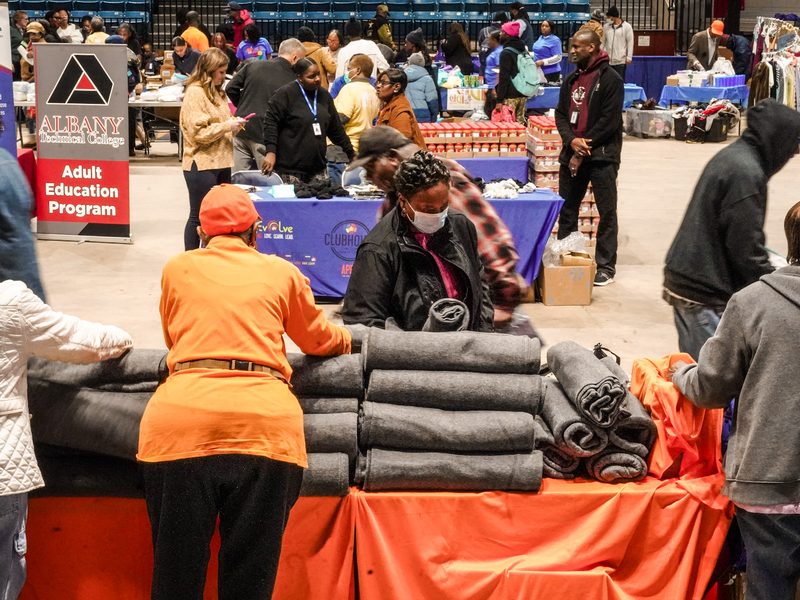
The Albany-Dougherty Homeless Coalition brought service providers together at the Albany Civic Center on Tuesday to offer food, clothing, health screenings and help accessing veterans benefits, while organizers urged the community to look beyond the holidays at the needs of people without stable housing.
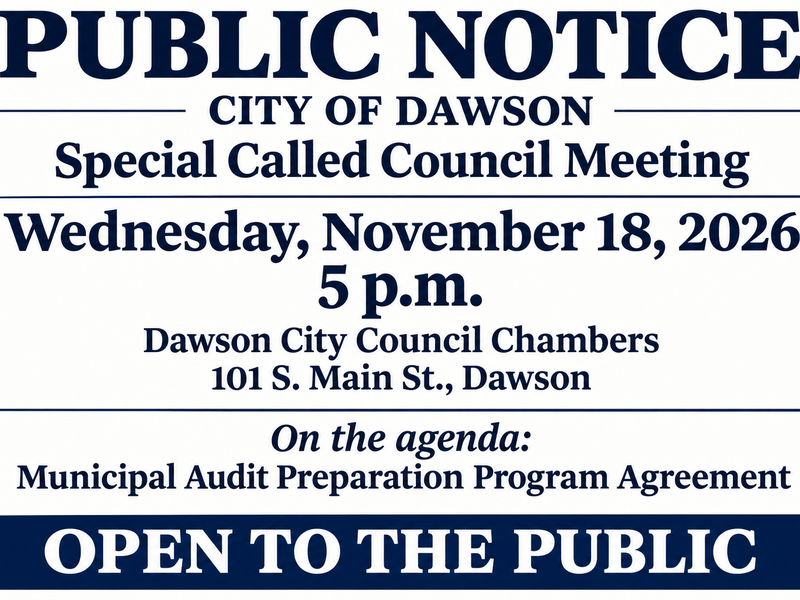
Dawson council calls special meeting to consider audit assistance agreement
The Dawson City Council will hold a special called meeting at 5 p.m. Wednesday, Nov. 18, to consider an agreement for help preparing the city’s financial records for independent audits.
