
Dougherty County Superior Court Judge, school board, Georgia House candidates share plans and priorities in candidate forum
File Photo: Lucille Lannigan
Special Photo
By Lucille Lannigan
[email protected]
ALBANY – With early voting less than a month away, the Dougherty County Democratic Party hosted its second candidate forum over the weekend to give candidates the chance to answer questions on hot-button topics.
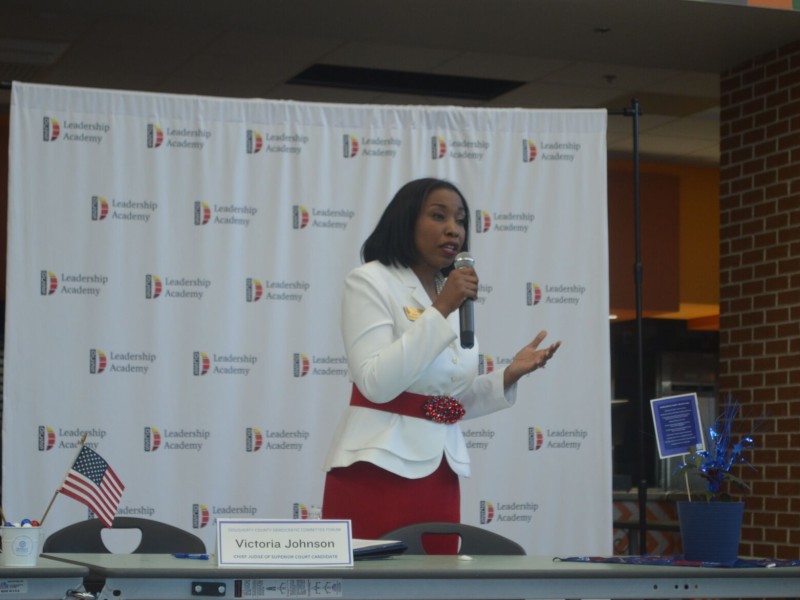
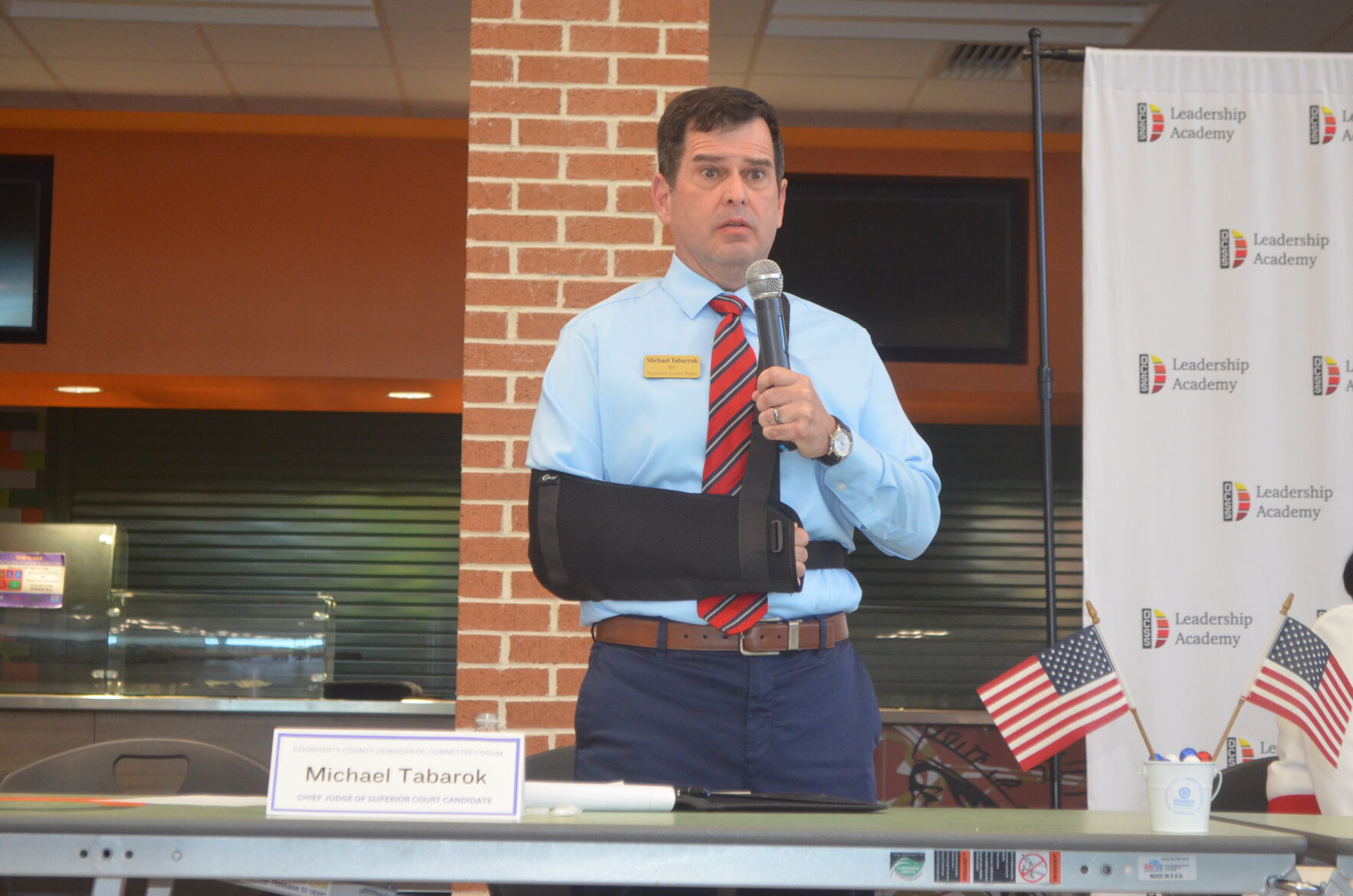
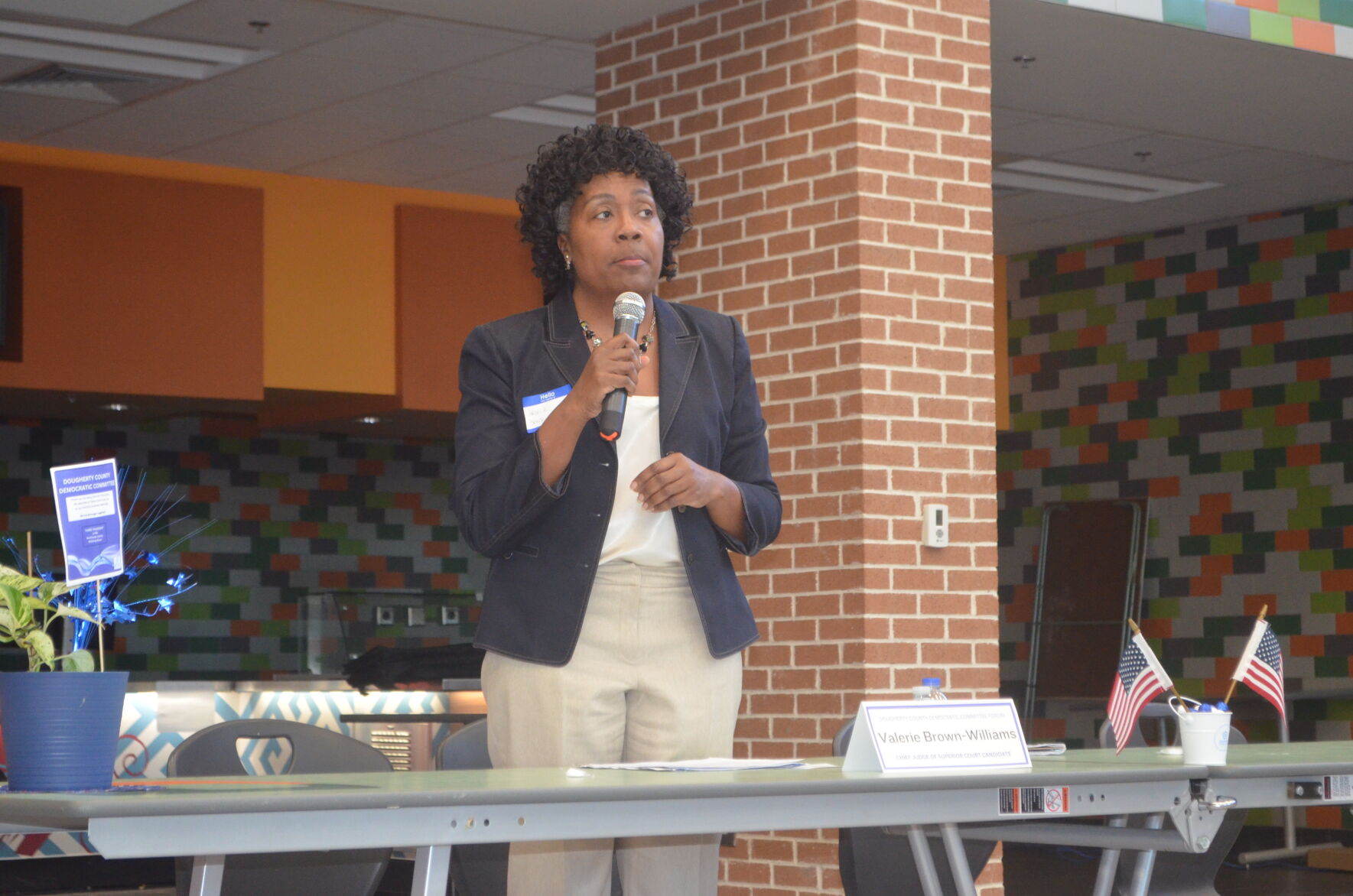
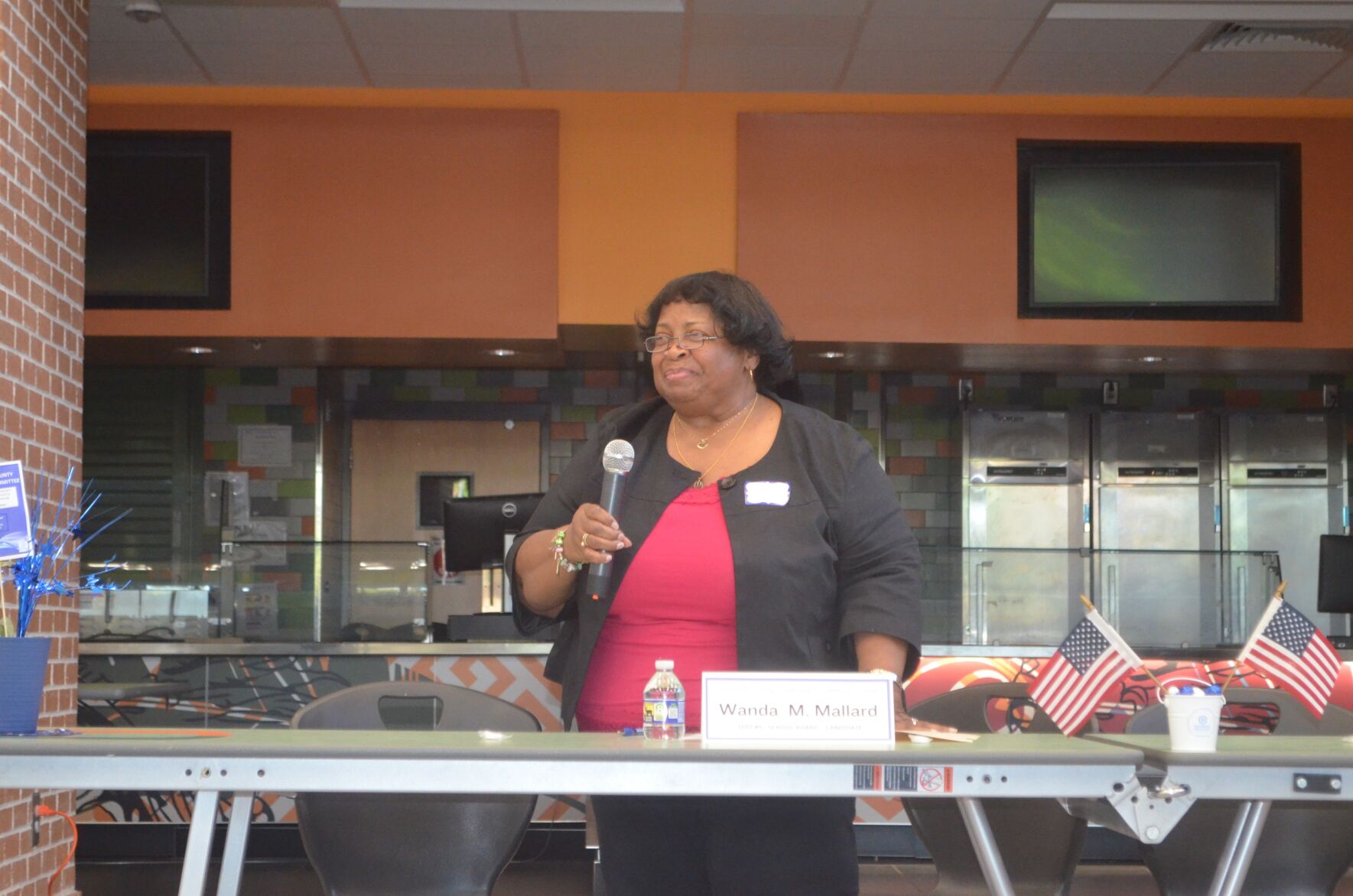
This forum saw candidates from three different races and gave uncontested candidates a chance to introduce themselves. Superior Court Judge candidates Victoria Johnson, Michael Tabarrok and Valerie Brown-Williams for were present. Incumbent James Bush and challenger Wanda Mallard faced off for a Dougherty Board of Education seat. Georgia Rep. David Sampson, D-Albany, and candidate Joshua Anthony appeared for the second time to answer questions about the state House District 153 race. Tracy Taylor declined to attend.
Dougherty County District 5 Commissioner Gloria Gaines answered questions on her own. Her opponent, Thomia Thomas, declined to attend.
A look at the Superior Court Judge race:
Johnson was appointed to and currently serves as a Magistrate Court Judge. In her five years as a Magistrate judge, she said she’s heard more than 8,700 cases. As a prosecutor before, she closed 3,000.
Johnson said she works on Superior Court cases each week, and she’s ready to handle the large volume of cases the Superior Court sees.
Tabarrok is an assistant attorney general and statewide gang prosecutor. He said he’s worked in both criminal and civil law for the last 25 years, handling some of the most violent crimes.
Tabarrok said gangs are “near and dear” to his heart and are a prevalent issue both in Dougherty County and across the state that he would prioritize as a Superior Court Judge, along with transparency, new bond amounts and timely bond hearings.
Brown-Williams is an attorney at Brown-Williams & Associates with 28 years of experience practicing law. She said her passion for law stems from a desire to serve her community.
She worked in Dougherty’s Juvenile Court, representing both parents and children in the county. Brown-Williams said the experience she’s acquired displays her dedication to the community and would serve her on the bench.
Candidates were asked about their position on mental health treatment alternatives to incarceration.
Johnson talked about her five years as the mental health and drug court prosecutor in Dougherty Co. She said she worked with others in the judicial system, including former Judge Stephen Goss, and created a solution addressing housing, mental health treatment and accountability court, rather than sending the individual to prison.
“We don’t want to criminalize mental health, but we want to address the issue,” she said.
Tabarrok worked in the same court with Goss. He said he worked with his individual defendants in trying to find different paths of success for them.
“That’s what happens when you care about the people you prosecute,” he said. “That’s what I’ll do as a judge.”
Brown-Williams said mental health issues often start with young people. She said catching and treating this problem early will reduce the number of those with mental illnesses in prison.
A question from the floor was aimed at Tabarrok, asking what solutions he has to address the gang issue besides jail time.
Tabarrok talked about his idea to implement a gang court, similar to the way the mental health and substance court functions, which would focus on recovery over jail time. Completion of the gang court program would result in the dismissal of their case.
“They’re on the path to having a career, they’re not a convicted felon, and we’re not throwing lives away,” Tabarrok said.
Brown-Williams said parents, teachers and the community need to be involved with the youths, providing them a sense of belonging that will act as a preventative alternative to joining gangs.
Johnson talked about the Taking Authority, Stop the Violence program started by Bishop Williams, founder of Gethsemane Worship Center, which provided outlets and mentors for young people. She echoed the idea that prevention and community involvement are the best ways to address Dougherty’s gang issue.
A look at the Dougherty Co. Board of Education race:
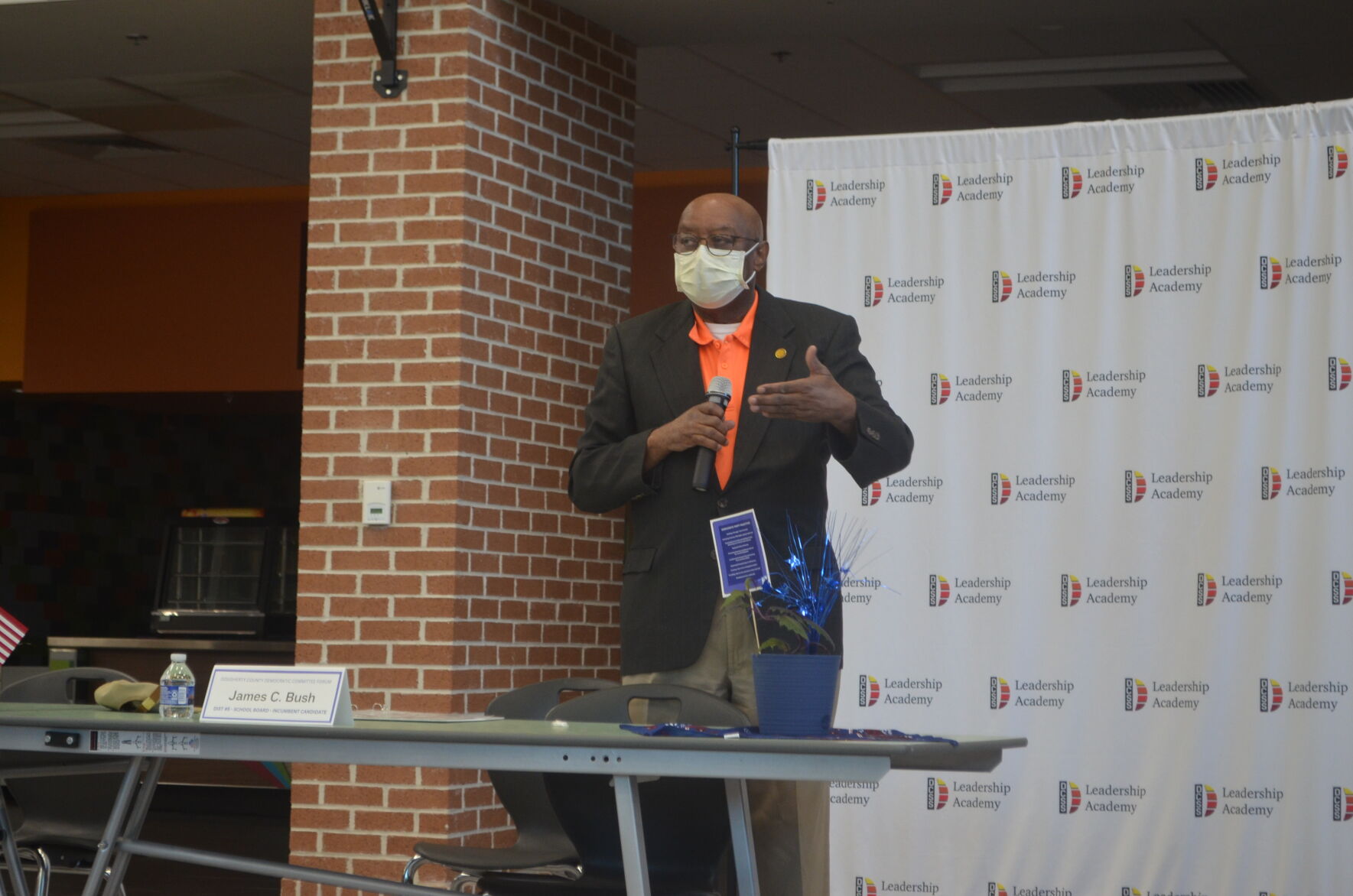
Bush said the work of the current School Board and Superintendent Kenneth Dyer has led to student improvement across the board. Bush emphasized the school system’s $40 million in reserves.
“No other government in this area can boast those numbers,” he said.
Mallard has an extensive history in education in Dougherty County. She served as an educator and principal and now works as an early childhood adjunct instructor at Albany Technical College. She said her platform for the School Board is flexibility and innovation. She said she hopes to increase parent engagement with students and with the school system as a whole.
“Parent representation is a must on that board, and it’s intimately involved with the day-to-day operations and instruction of programs in the schools,” Mallard said.
Mallard also emphasized real and project-based learning demonstrated at the 4C Academy as the right path in helping students prepare for life after school.
Bush shut down a question concerning the 2011 cheating scandal where 49 educators in the school district were involved in testing misconduct. Bush was a school board member at this time.
“That was investigated and subsequently, many people resigned and left the system,” he said. “Since that time, we’ve been on the right track. Our children are able to read now because of what our staff put into place.”
He said the School Board has given the school system the money and resources to improve.
Mallard said she was not a part of the school system at the time of the aforementioned scandal. She said during her time as an educator, she was committed to testing integrity.
Both candidates were asked what they would do to raise reading levels.
The gap between DCSS’ reading scores and graduation rates was brought up. DCSS has an 86% high school graduation rate but a 28% high school reading proficiency rate, according to a school site.
Bush said several schools throughout the district have been rewarded for high test scores.
“The state is using what our school system put in place as a model to improve the literacy in the school systems in the state of Georgia,” he said.
Mallard said the building blocks for literacy – vocabulary, fluency – need to be worked at constantly.
“We have to make sure that they are reading on grade level at least by third grade,” she said. “If not, they’re going to have problems in other areas.”
She also talked about innovation and money received from charter school grants that support literacy initiatives.
A second look at Georgia House of Representatives District 153:
This was Sampson and Anthony’s second time attending a candidate forum.
Sampson has served District 153 since January 2023. He highlighted his corporate managerial experience and some of his accomplishments as a representative. Sampson said he’s signed off, for and against, on hundreds of bills and offered and signed on at least 18 pieces of legislation.
The most meaningful, he said, was HB77, which added another Superior Court Judge to Dougherty Co.
“I’m there, and I’m already doing the job,” he said.
Anthony talked about being the youngest candidate in Georgia running for state office. At 21 years old, he said he’s ready to bring new ideas to drive Dougherty County’s economy forward, address high crime and improve education. He said he’s developed a five-year plan to work toward these things.
“It’s time that we take a new path,” he said. “Not only for our seniors, where they can actually have expanded Medicaid … but where our students actually want to stay in Albany because they have opportunities here.”
Sampson and Anthony addressed issues like mental health in jails as well as affordable housing.
Sampson said he wants to do as much as he can in providing treatment to individuals with mental health issues rather than incarceration.
“We have to make it our business to ensure that there are programs in place – I can’t tell you what all those programs would be – but we need to put programs in place to not send people to jail that need mental health care,” he said.
For affordable housing, Sampson the first thing to do was look at alternative materials or housing opportunities like containers or smaller homes. He said the cost of housing materials have skyrocketed and will continue to do so.
“We have to create or find other ways and smaller footprints in order for people to have the appropriate housing that they can afford,” Sampson said.
Anthony talked about preventative efforts and being on the ground in the community, working with nonprofits and other sectors, to address issues with mental health and incarceration.
He said prevention involves working at the community level but also at the state level to push for funding to support programs that would address this issue.
As far as housing, Anthony said an opportunity to bring in 100 units, many affordable housing, was shot down by the Albany City Commission. He said this needs to be looked at again.
“We already had the land allocated, we already had the money prepared,” Anthony said. “We have to bring what was already at the table and re-evaluate.”
Anthony said Albany’s poverty rate can be used as leverage in the state legislature to push for funding or programs that would go toward affordable housing.
Early voting for these races begins April 29. The election is on May 21.
Author

Related Articles

Foreclosures jump 52.9% across the region as buyers regain negotiating power
In Dougherty County, the number of residential properties advertised for foreclosure has nearly doubled this year. In neighboring Lee County, developers are preparing to add hundreds of new houses and apartments, including homes aimed at buyers who have struggled to find newer housing at an attainable price.
PHOTOS: Albany State New Employees Luncheon
Click the arrow to scroll through the photos.

Albany Commission will revisit downtown park project at October retreat
“Right now it’s a sea of asphalt there. It doesn’t encourage gathering. Parks and green spaces encourage gathering.”
