
Dougherty schools report $22.6M overspend, $4.7M deficit in general fund
District officials project a year-end general fund deficit of approximately $4.7 million, even as revenues come in about $1.6 million higher than anticipated. The system is expected to rely on its fund balance to close the gap through June 30.
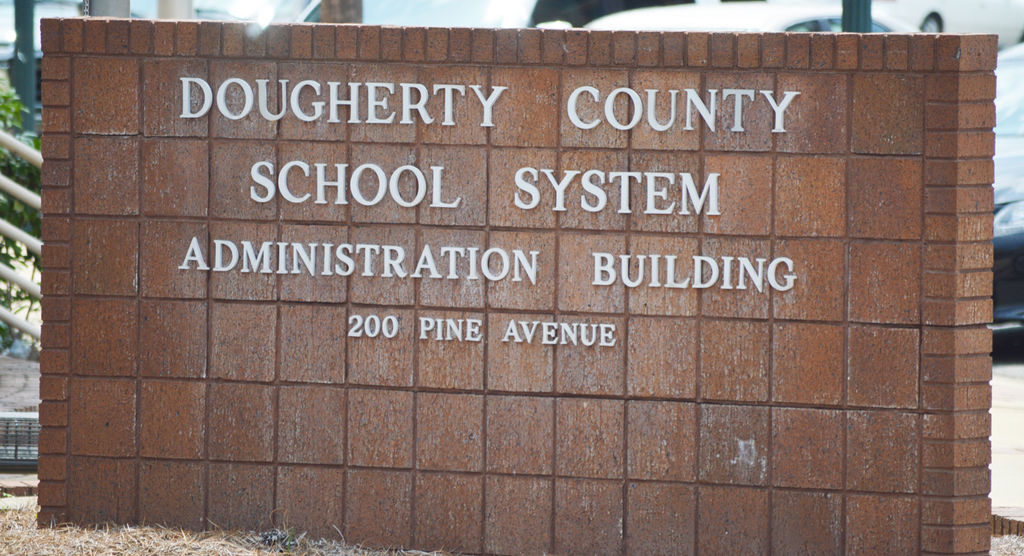
The Dougherty County School System is on track to spend millions more than it brings in this fiscal year. File Photo
ALBANY — The Dougherty County School System is on track to spend millions more than it brings in this fiscal year, drawing down reserves to sustain operations as expenditures outpace recurring revenue, according to a budget amendment approved by the Board of Education.
The report, reflecting financial activity through Jan. 31, shows the district has already exceeded its annual general fund revenue projection while spending has surpassed the full-year budget — a pace that signals a structural imbalance rather than routine timing differences.
District officials project a year-end general fund deficit of approximately $4.7 million, even as revenues come in about $1.6 million higher than anticipated. The system is expected to rely on its fund balance to close the gap through June 30.
The amended general fund budget reflects approximately $189.9 million in expenditures compared to about $185.2 million in revenues, underscoring a widening disconnect between ongoing costs and recurring income. That gap becomes more pronounced when measured against the district’s original operating budget of about $184 million in expenditures at the start of the fiscal year.
Spending pressure is concentrated in classroom and student-facing areas. Instructional services, pupil services and educational media services are all projected to exceed their amended budgets, though no detailed breakdown of those overages was provided — leaving unclear which specific cost drivers are contributing most to the increase.
At the same time, several administrative and operational categories — including school administration, business services, maintenance and transportation — are expected to come in under budget. Those savings, however, are not enough to offset rising costs in instructional areas.
Beyond day-to-day operations, capital spending represents the district’s largest overall financial exposure. The capital projects fund is projected to spend about $86.2 million against roughly $70.6 million in revenue, a gap of more than $15.5 million tied to construction and infrastructure projects.
The enterprise fund — which includes operations such as school nutrition — is also expected to run a deficit of approximately $2.3 million, with expenditures exceeding revenues.
Other funds, including special revenue and debt service, are structured to balance and are projected to end the year without a surplus or deficit.
Across all funds, the district is projected to spend approximately $22.6 million more than it takes in, with the majority of the shortfall tied to capital investments and additional pressure coming from operating deficits.
To absorb the deficit, the district’s general fund balance is projected to decline from approximately $39.6 million at the start of the fiscal year to about $34.9 million by year’s end.
The budget amendment was approved without discussion as part of a consent agenda that included all but two items — school board policy amendments — from Monday night’s meeting, limiting public scrutiny of the district’s financial trajectory despite the projected shortfall.
While district leaders have framed the spending as aligned with instructional priorities and long-term facility needs, the current trajectory raises questions about sustainability if expenditures continue to outpace recurring revenues.
The updated figures reflect a budget amendment that increases both revenues and expenditures, though spending adjustments have outpaced revenue gains — a pattern that, if sustained, would require continued reliance on reserves or force future spending cuts.
Related Articles

Dougherty County to mail 2026 property assessment notices this week
Dougherty County will mail 2026 Notices of Assessment to property owners this week.

Albany animal trainer seeking to fulfill dream of establishing a pet food pantry
“(If) you lose a job, you have a healthcare crisis, what do you do with the cat? What do you do with the dog? Now you will at least have someone who can help you with the food.”
Developers bet on demand for smaller homes, apartments in Lee County
Two residential developments moving forward in Leesburg will add hundreds of new housing options in Lee County over the next few years, with developers saying they are targeting a market they believe has been underserved: young professionals and small families looking for newer housing they can afford.
