
EDDIE SEAGLE: Holiday decorations can be dangerous for pets
Eddie Seagle
“To the American People: Christmas is not a time or a season but a state of mind. To cherish peace and good will, to be plenteous in mercy, is to have the real spirit of Christmas. If we think on these things, there will be born in us a Savior and over us will shine a star sending its gleam of hope to the world.”
— Calvin Coolidge (1872-1933)
“Remember, if Christmas isn’t found in your heart, you won’t find it under a tree.”
— Charlotte Carpenter
It’s Thanksgiving week and many of us express thanks for the many blessings we have received. Late November has brought lots of rain for which we should be thankful. This is also the time of the year that everyone starts planning for the Christmas holidays through decorating homes and communities, and buying gifts for loved ones. Holiday decorations can be dangerous for our family pets!
Be aware of the potential danger that might exist with holiday plants such as mistletoe, holly, and the Christmas tree and take caution. These plants are poisonous to our pets. And our pets are family. We are often concerned about them knocking the tree over or destroying the presents, but what happens to our pets when they eat the tree parts and other decorations?
Christmas can be a frightening time for pets, especially those who can’t resist the tree and other holiday plants, many of which are poisonous. The toxicity of the holiday plants varies from low to very high with the level of poisoning or illness directly related to amount of the plant actually ingested.
Christmas trees are a source of joy during the holidays but can pose dangerous hazards to your dog. Most dogs are instinctively attracted to their inviting smell and the appeal of gift boxes, wrappings, lights and ornaments. Christmas trees are considered to be mildly toxic, especially the oils of the fir tree which can be irritating to the mouth and stomach and causing excessive drooling or vomiting. Since the tree needles are not easily digested, possible GI tract irritation, vomiting, gastrointestinal obstruction or puncture can result.
The amount of trouble and danger depends on the quantity consumed. However, most often pets do not consume such mass quantities of tree material to create issues. Always keep your pets away from the tree when you are away from home. Thus, when pets are allowed access to the tree and other decorations, always be on the look-out for any tree- or plant-eating activity in which they may partake. If your pet has chewed on the Christmas tree or other plants, monitor him/her for any changes in behavior (excessive licking or salivating), appetite, activity, water consumption, vomiting or diarrhea.
Other tree concerns worthy of mention involve preservatives, pesticides, fertilizers and other chemicals (aspirin) which are commonly used in the tree water to help keep it fresh. These chemicals may have harmful or deadly consequences for your pets (and possibly children) who may drink this water! The best prevention is a covered or enclosed tree water dish or base which is also the safest.
Christmas lights, which are placed on the tree and elsewhere in the home, can present a hazard to curious pets. Chewing on cords and lights will cause electric shocks and burns in the mouth. Check cords regularly for signs of chewing and general wear and tear. If you notice that your pet is reluctant to eat, is drooling or is showing signs of a painful mouth (such as refusal to play with regular toys), be sure to check for electrical mouth burns in addition to dental and other diseases. Holiday ornaments can also be a risk. Ingestion of such ornaments can cause gastrointestinal blockage or rupture.
Where pets are involved, do not string the bottom of your tree with lights, since some types can get very hot and burn your dog. Firmly tape cords to the base of the wall or floor and check them regularly for chew marks or punctures. Dogs who chew on electrical cords and lights can receive electric shocks and mouth burns. Such chewing can cause pulmonary edema (fluid in the lungs) which can be fatal.
Always avoid decorating your tree with edible or glass holiday ornaments because your pet may knock over the tree trying to get to one, or injure itself trying to play with a broken one. Also consider using ribbon, yarn or lightweight twine to hang your ornaments instead of the traditional wire hooks. Wire hooks can catch on their ear or swinging tail and, if swallowed, they can lodge in your dog’s throat or intestines.
Do not trim your tree with tinsel where pets are involved. If swallowed, tinsel can block the intestines, thus causing decreased appetite, vomiting, diarrhea, lethargy and weight loss. Furthermore, surgery would be necessary to remove the tinsel from inside your pet. After the wrapping of gifts, clean up leftover supplies and keep the area around your tree free of discarded string, ribbon and small toys or toy pieces which can be swallowed and cause bowel obstruction.
Plant bulb kits, including amaryllis and other plants in the lily family, and narcissus and other plants in the daffodil family are popular gift items during this holiday season. Pet owners should be aware that these plants are very toxic for cats, and sometimes with severe symptoms of gastrointestinal signs, cardiac arrhythmias, kidney failure, convulsions and death. Daffodils are toxic to both dogs and cats, especially the bulbs.
Common clinical signs most commonly observed with toxic plant ingestion relate to the gastrointestinal tract, including vomiting, diarrhea, abdominal pain, and sometimes excessive salivation (drooling). In some cases, such as holly berry ingestion, tremors or seizures may be seen and followed by coma and death.
Also, artificial trees can also be dangerous when eaten. The primary concern with these trees are the toxin releases from the artificial material and intestinal obstruction since these trees are not digestible. Be extra cautious if you have an artificial tree, especially since it will become more breakable with age. Small pieces of plastic or aluminum can break off and cause an intestinal blockage or mouth irritation if ingested by your dog. When you are away from home or unable to supervise your pet, confine him or her to its kennel in a separate room to minimize mischief.
Where pets are involved, sacrifices in holiday decorating may have to be made to insure safety to these family members. Your choices must be carefully monitored and pet-friendly. Also, take the necessary measures to protect your four-legged friends and family (pets) from adverse weather conditions – do not leave them out at night in the colder temperatures as the month passes forward. And, as always, remember to feed and water the birds!
Enjoy your Thanksgiving and Christmas seasons and may your decorating efforts provide you with an atmosphere filled with ornamental appeal, spiritual contentment, and pet safety and happiness. Be ever thankful for all your blessings.
“Enter [the Lord’s] gates with thanksgiving and his courts with praise; give thanks to him and praise his name. For the Lord is good and his love endures forever; his faithfulness continues through all generations.” Psalm 100: 4-5.
Eddie Seagle is a sustainability associate, Golf Environment Organization (Scotland); agronomist and horticulturalist, CSI: Seagle (Consulting Services International); professor emeritus and honorary alumnus, Abraham Baldwin Agricultural College, and associate editor of The Golf Course, International Journal of Golf Science. Direct inquiries to [email protected].
Related Articles

Dougherty Commission considers $104 million budget for 2026-2027 budget year
“The other side of the coin is you could have higher revenues than projected. We’re very conservative in budgeting revenues. That also reduces the need to use fund balance”

PHOTOS: Albany State Summer Success Academy
Photos by Reginald Christian, Albany State University
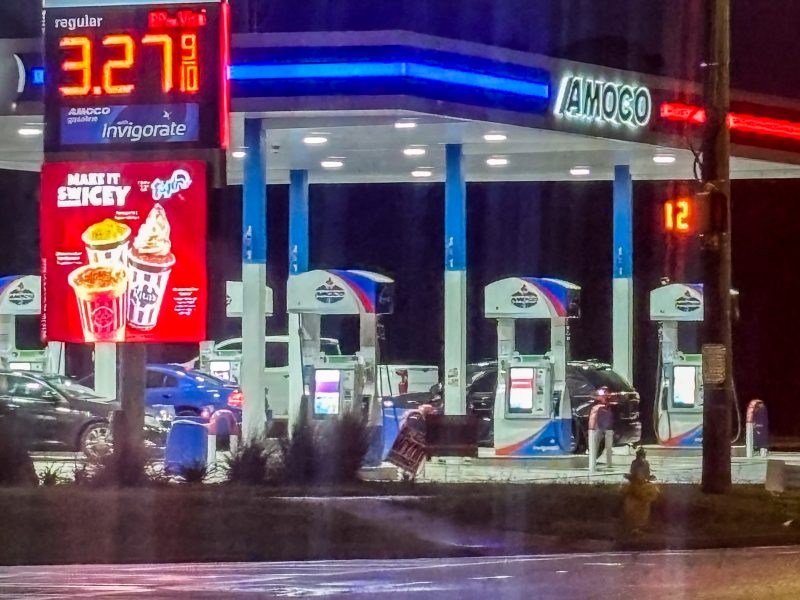
Albany gas prices among Georgia’s lowest as summer fuel costs decline
According to AAA, the average price for a gallon of regular gasoline in the Albany metro area was approximately $3.45 this week, making Albany the second-least expensive metro market in Georgia behind Dalton at $3.41 and slightly ahead of Brunswick at $3.48.
