
El Refugio provides haven for families of detainees at Stewart Detention Center
El Refugio provides free shelter or a rest stop on weekends where families can eat a hot meal as they wait to visit their family members at Stewart Detention Center.
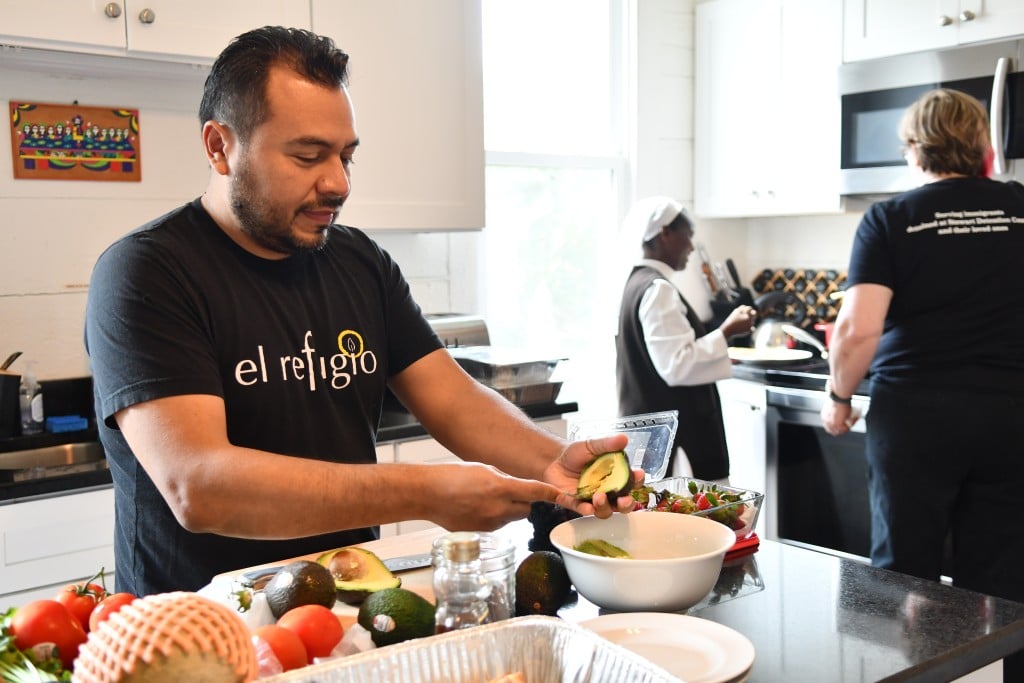
LUMPKIN – It’s noon on a Saturday, and three El Refugio volunteers dance around each other in the kitchen, mashing fresh guacamole and frying tortillas over popping oil.
The rooms of El Refugio, a hospitality house for families visiting loved ones detained at the ICE Stewart Detention Center, are empty outside the kitchen. Backpacks and suitcases are tucked into corners, left behind by about 10 visitors who stopped at the house before heading to Stewart. Male visitation hours start at 2 p.m. Most try to get in line by 12:30 p.m., scared to miss their chance to see their family members.
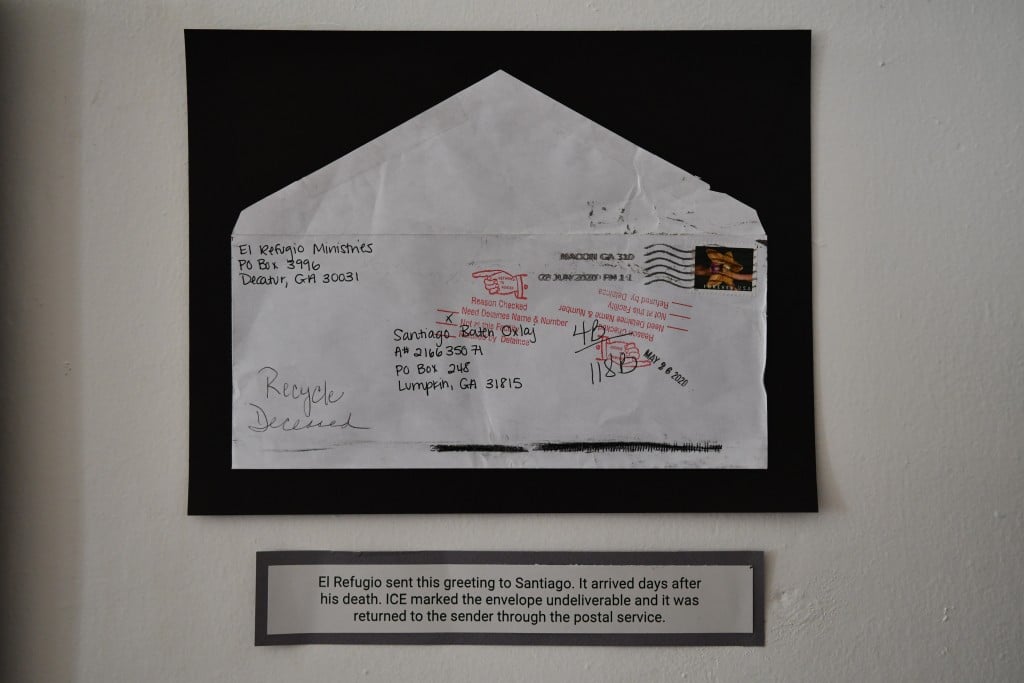
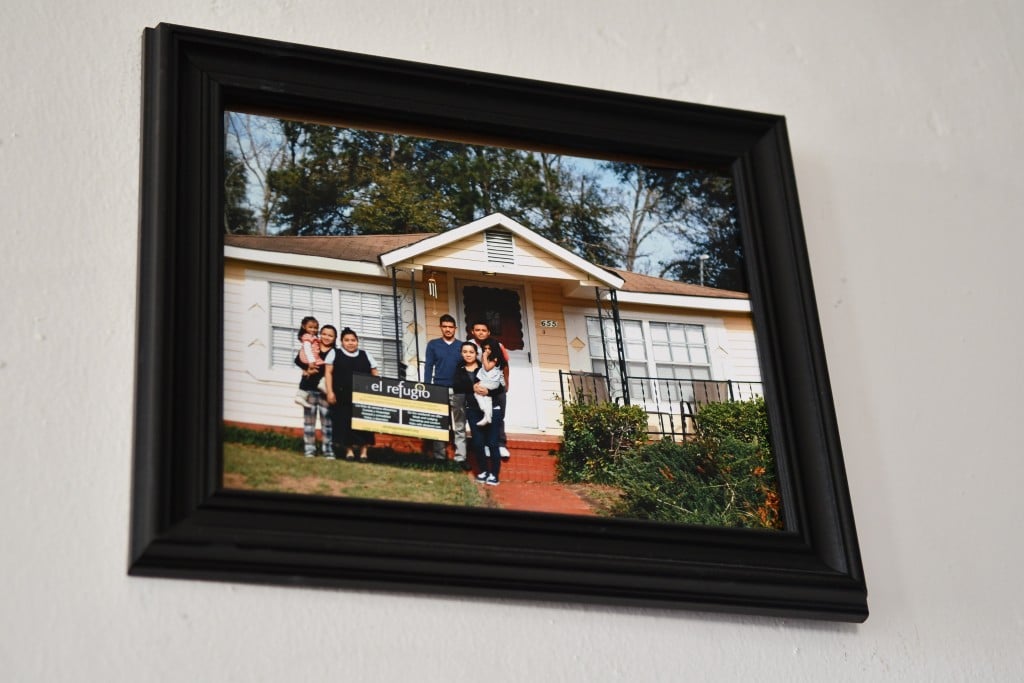
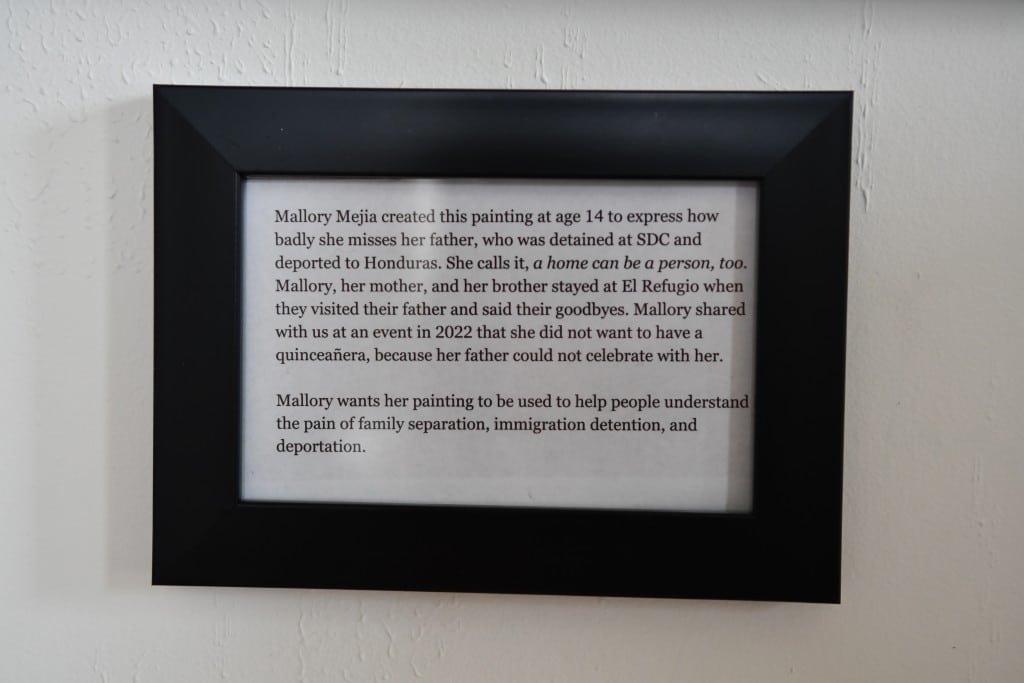
The walls of El Refugio feature photographs of families who’ve visited the house for more than 15 years. Artworks by detainees and their children hang in clusters, depicting life at Stewart. In the entrance hall hangs a framed envelope made out to Santiago Baten-Oxlaj, a greeting from El Refugio Ministries. “Recycle. Deceased” is written at the bottom.
“It’s a letter that was never delivered,” Amilcar Valencia, El Refugio’s executive director, said.
Baten-Oxlaj, was one of four ICE detainees who died after testing positive for COVID-19 while in custody at Stewart Detention Center.
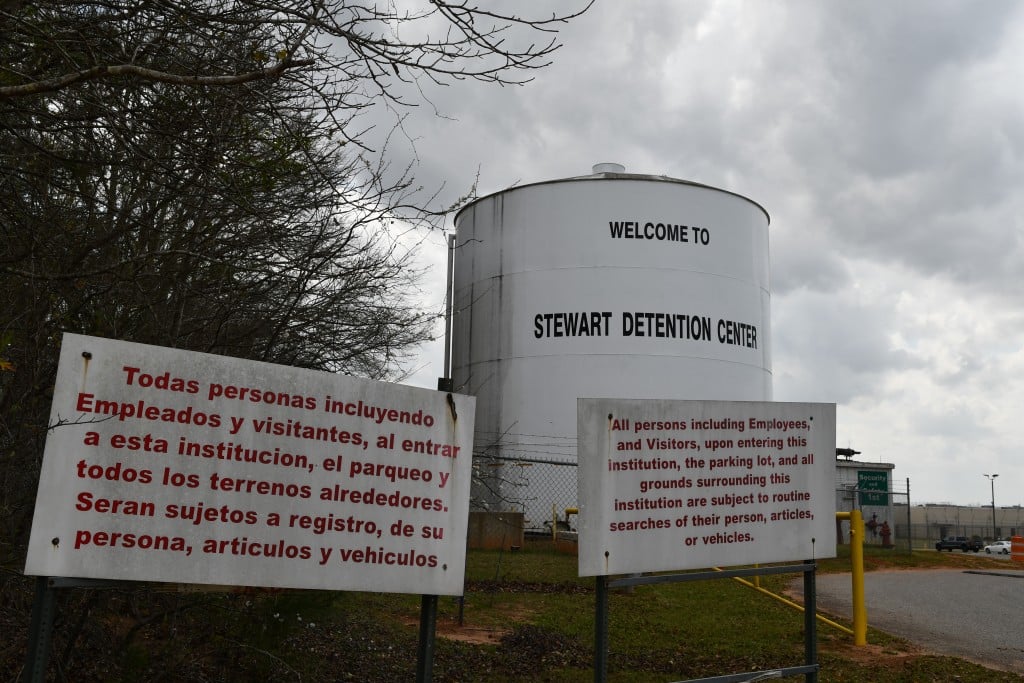
Over time, the center has gained the title of “one of the deadliest” immigration detention centers in America. Along with COVID-19 deaths, multiple people have died by suicide while in custody. The center is located in the rural south Georgia town of Lumpkin, which has a population of about 900 and is known as the home of Providence Canyon State Park, one of Georgia’s Seven Natural Wonders.
Those detained behind the razor wire fences and cement walls come from all across the Southeast, and so do their families, who visit and try to find legal help on the outside. El Refugio was established in 2010 to provide a haven for those families.
“In Lumpkin, there’s no resources, not much infrastructure,” Valencia said. “If someone comes here from … North Carolina, it takes 10 hours to get to the detention center to see their loved ones, and then there’s no place for them to stay.”
El Refugio provides free shelter or a rest stop on weekends where families can eat a hot meal as they wait to visit their family members at Stewart. Access to information is limited at the detention center, so El Refugio offers resources and connections with attorneys and advocacy organizations.
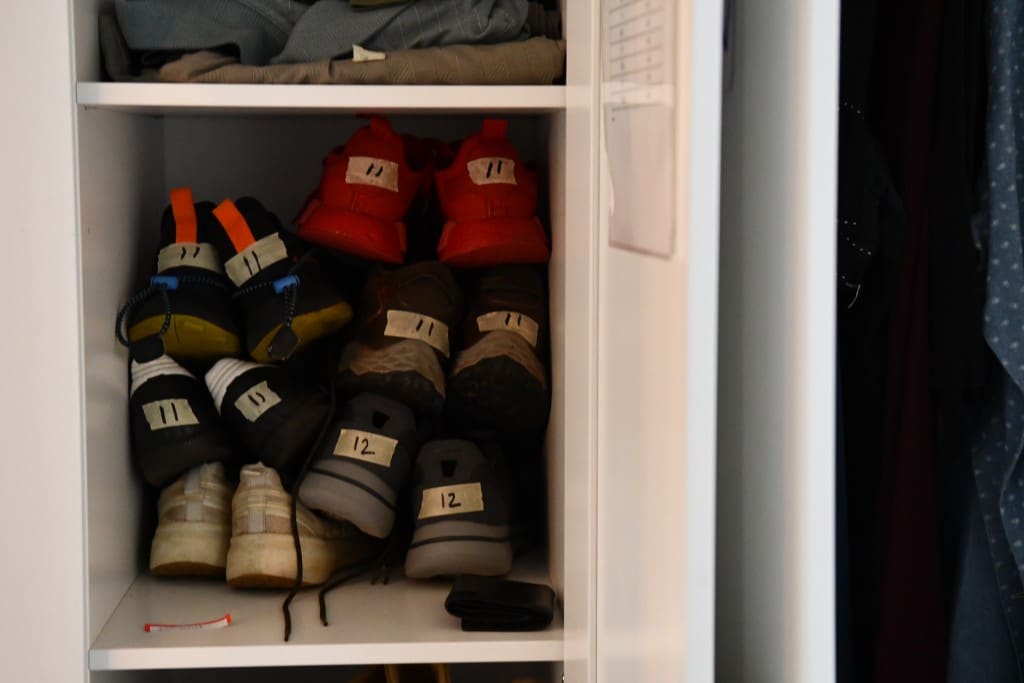

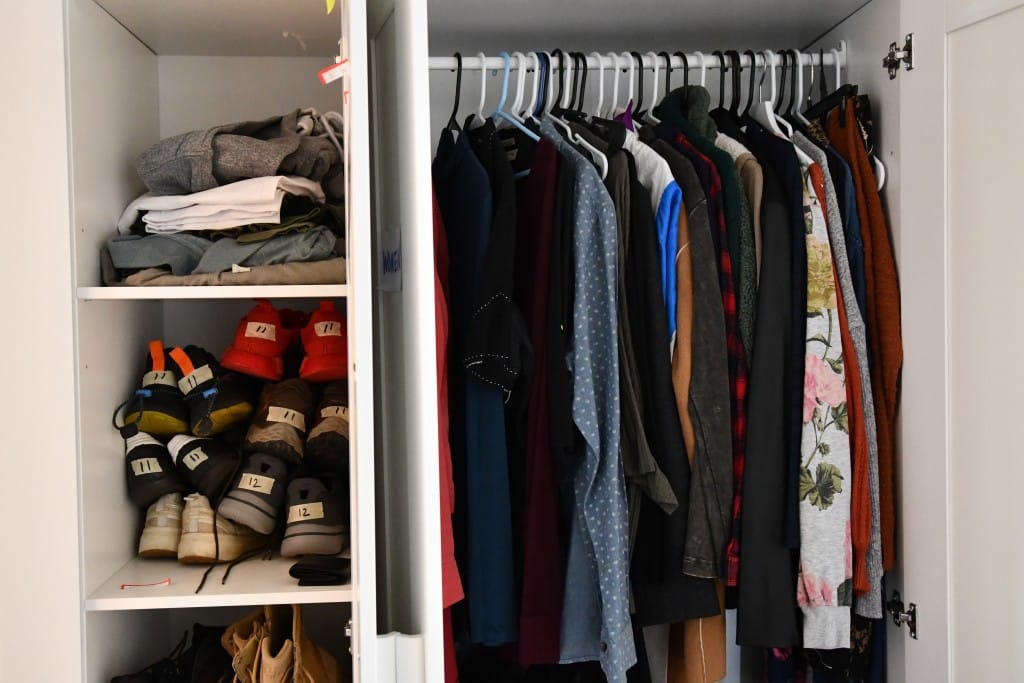
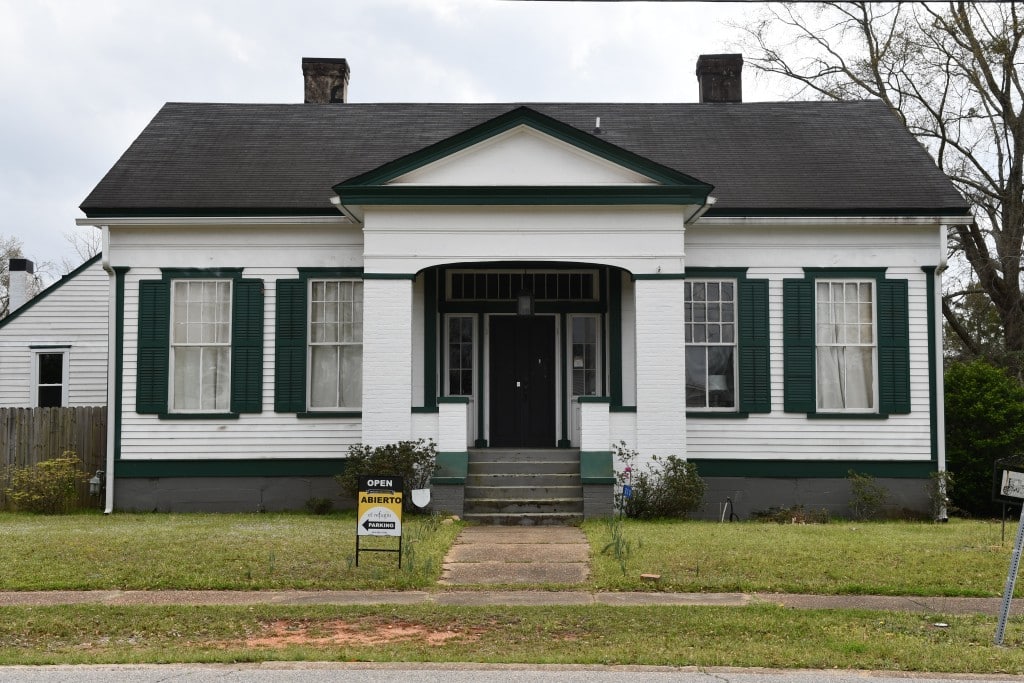
It started in a tiny, two-bedroom home but has since moved to a larger one – gifted by comedian Samantha Bee – centrally located in Lumpkin. Spacious rooms are fitted with beds, couches, toys and computers. At lunch time – between female and male visitation hours – the seats at a long dining table tend to fill with different families. They eat and exchange stories in Spanish.
Valencia said El Refugio sees about 800 guests per year, usually about 15-20 per weekend. However, in the weeks after President Trump entered office, with promises to crack down on illegal immigration, Valencia said they’ve seen about 45 people each weekend.
Stewart Detention Center’s capacity is about 1,800 inmates. Valencia said he’s consistently heard from families that the center’s been at capacity since mid-February.
El Refugio operates on the weekends with the help of volunteers who travel to stay at the house and visit the detention center.
Sister Imelda Ngwitu travels from Blakely to Lumpkin. She prepares meals early in the day and then spends the afternoons visiting with people detained at Stewart.
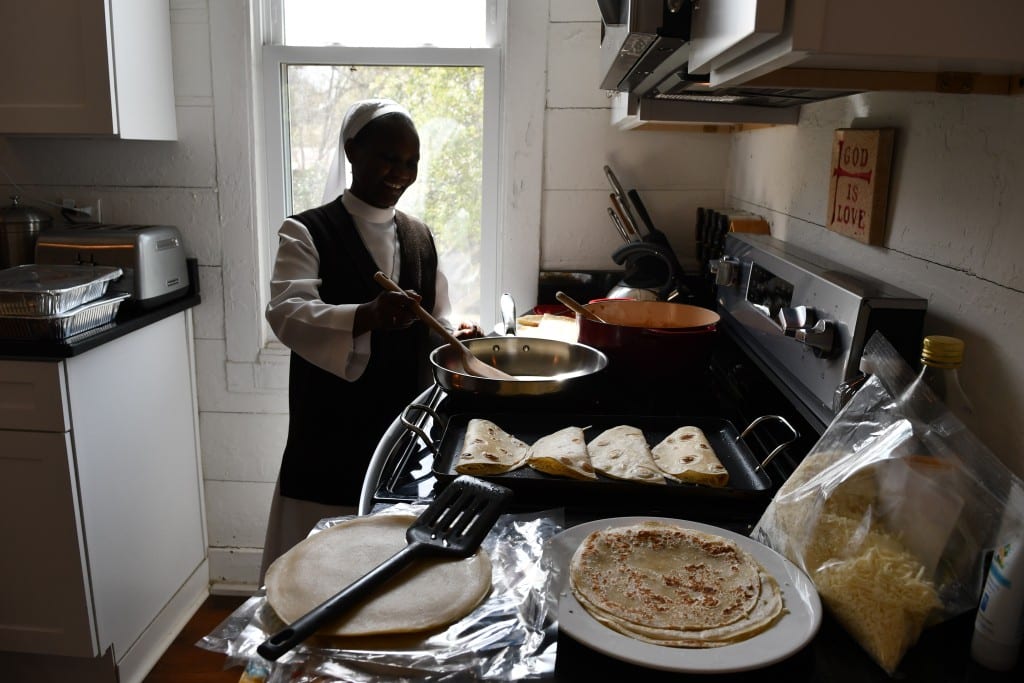
“I listen to their stories,” she said. “I encourage them to have hope and to trust that one day they’ll be reunited with their families, to trust in God and things will be better.
Ngwitu said her visits often start with tears, but by the end of the hourlong session, she’s able to coax out a smile from people. She promises to pray for them.
Detainees at Stewart can spend anywhere from 90 days to more than a year at the facility, meaning El Refugio has seen repeat visitors over the years.
One of these visitors is a 27-year-old woman from Stone Mountain, who asked not to be named due to the sensitive and private legal nature of her situation. Her husband was detained in February of 2024. She’s traveled to Lumpkin to visit him nearly every weekend since.
She and her husband met at a Taekwondo class, where he was a black belt instructor. He proposed with cake and flowers a year and a half into their relationship, in the breakroom of the company where they both worked. They didn’t legally get married until he was detained at Stewart.
In December of 2023, her husband received a letter stating he no longer had his Deferred Action for Childhood Arrivals (DACA) status. The woman said this was a surprise. His papers weren’t expired, and he had always been quick to start the renewal process months before they expired.
The couple was in the midst of working with lawyers to figure out what happened. They had a wedding ceremony planned for the end of February 2024, but it would never happen.
“That day he was taking me to work, literally pulling out of the driveway at the first stop sign by the house, and they just came out of nowhere, surrounded the car, asked his name and just took him out and handcuffed him,” she said.
He was served a warrant, and officers told her she’d receive a call from him. She was left alone to sit in the driveway and process what had happened. She called his family and then her own.
It’s been more than a year of visiting her husband, staring through a glass window and speaking over a phone in a room with five other families. There’s no touching and no privacy. She said in the beginning, it was a quick process to sign in at Stewart.
“Now, because of everything that’s going on with Trump, they are overpopulated; there’s more families coming to visit,” she said. “I’ve had to wait five, six hours before just to see him for an hour and then head back home.”
She tries to keep their conversations light, talking about her week. She distracts him with promises of a Disney World trip once he is released. A decision on her husband’s case, whether he’ll face deportation or remain in the U.S., was set to be made in February. She, his family and his friends all traveled to Lumpkin for the court hearing.
“The judge said, ‘OK, at the end of this, I’m gonna give my response,’” she said. “We all spoke. He took five minutes to make his decision. Right when he came back, there was no WiFi. The system was down.”
The written decision was delayed until March 20.
Life at Stewart Detention Center hasn’t been easy for her husband. He’s lost 100 pounds due to poor quality food. He’s been prescribed antidepressants. She said some days he doesn’t even get out of bed. He’s witnessed fights over limited electronic tablets. He’s watched detainees overdose on illegal substances that were snuck into the center.
Valencia said there’s an active campaign to close the detention center over human rights violations. Over the 15 years he’s worked in Lumpkin, he said he’s heard consistent reports of overcrowded rooms and a lack of appropriate medical attention, including mental health support.
“When they have emergencies, when they get sick or if they have medical conditions like diabetes, heart issues, respiratory problems … often, people don’t get the medical attention that they need,” he said.
At least 10 people have died at Stewart Detention Center from 2017 to May 2024.
Life without her husband hasn’t been easy for the El Refugio visitor either. She said she’s struggled financially, unable to make payments on the home they share. She said El Refugio offers gas money cards, which have helped her to get home.
She said she hopes people understand that Trump’s deportation policies are hurting families.
“Most of the people that are getting deported are the fathers or the head of the household,” she said. “It affects families drastically. We’re struggling, and it’s something many will never have to experience.”
Author

Related Articles

Albany recycling center enacts material separation rule
Mixed items will no longer be accepted at the Albany recycling center at its 2521 Meredyth Drive facility. Individuals will now be required to separate items befor they will be accepted.

Wild Game Dinner marks 34 years as South Georgia Scouting reaches for next generation
More than a century after organized Scouting first took root in Southwest Georgia, local leaders say the program is working to preserve its traditional mission while adapting to a new generation of young people.
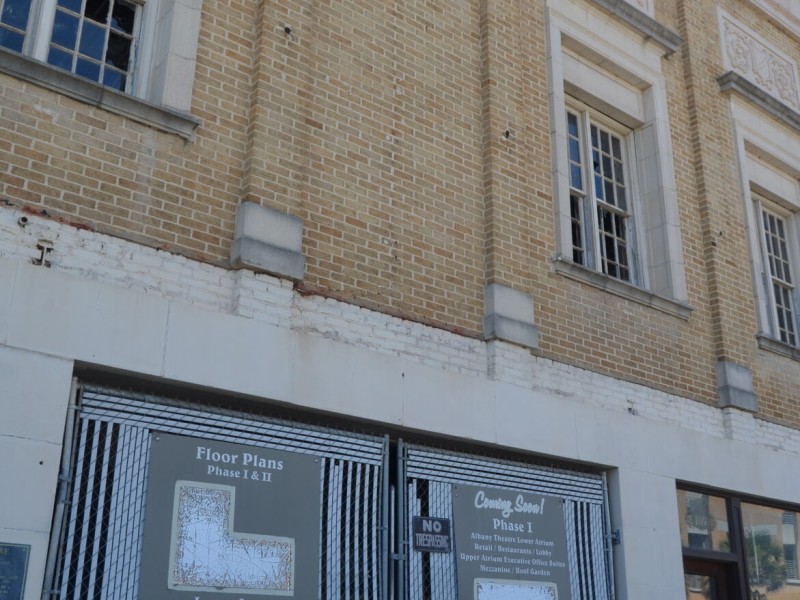
Albany City Commission takes action on proposed downtown hotel, two theater renovation projects
“We’re taking the original building back to, hopefully, it’s glory days. One of the cool things about the project is we are going to restore the balcony. It’s going to have a balcony, so it’s going to be super cool.”
